
Above: The Lady Lever Gallery, photo copyright National Museums Liverpool
My travels have taken me all over Europe and the US, and while mostly it has been to see specific works of art or exhibitions, the place they are housed in is often relegated to a side thought and whether the cafe has good cake! I’m delighted to say, however, that for this piece I do have a venue that is worthy of an article all to itself.
The Lady Lever Art Gallery in Bebington, Wirral, UK, is one of my favourite venues, no matter what exhibition they have on offer. There is something about pulling up in front of the beautiful marble edifice in Port Sunlight; the sun is usually out and there is a peaceful hush in the neighbourhood. The gallery was commissioned by the first Lord Leverhulme, who founded the manufacturing company, Lever Brothers as a memorial to his late wife, Elizabeth. I often wonder whether this location was why Lord Leverhulme named the soap his factory became famous for, Sunlight; it never seems dismal here.
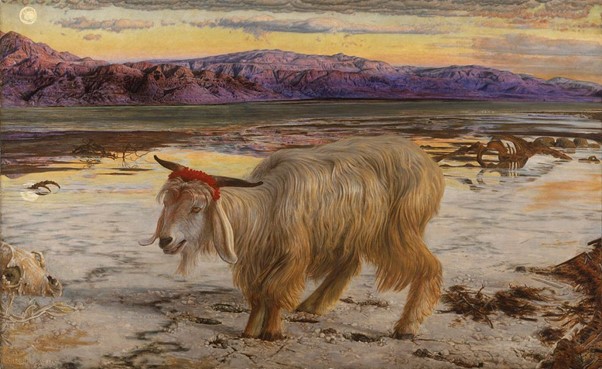
Following the death of Lady Lever in 1917, work began on building the gallery the following year, with its completion in 1922. The art that William and Elizabeth collected was, at its heart, very English, with a wide collection of Pre-Raphaelite art, including, Dante Gabriel Rossetti, Sir Edward Byrne Jones, Ford Madox Brown and William Holman Hunt. In fact, one of the best Holman Hunt paintings you will ever see is in this collection, The Scapegoat:
Entry to the gallery is free and all they ask is for a donation! There is so much to see here. Within the small exhibition of the history of Lever Brothers, we learn that William was keen to share the art he loved with the public and did so through advertising. This work, Blue and White by Louise Jopling in 1896 was used by Lever and manipulated to suit his purpose of selling washing powder.
Not only did Lever change the name of the painting, to Home Bright, Hearts Light but he also added a carton of Sunlight Soap to the scene for good measure:

It is fun to go round the collection to see which ones were used in advertising! Just as an aside, also within the 19th century collection are these two stunning works by Turner and Constable, along with beautiful sculptures by Edward Onslow Ford, which are a must-see and no purchase of soap is necessary!

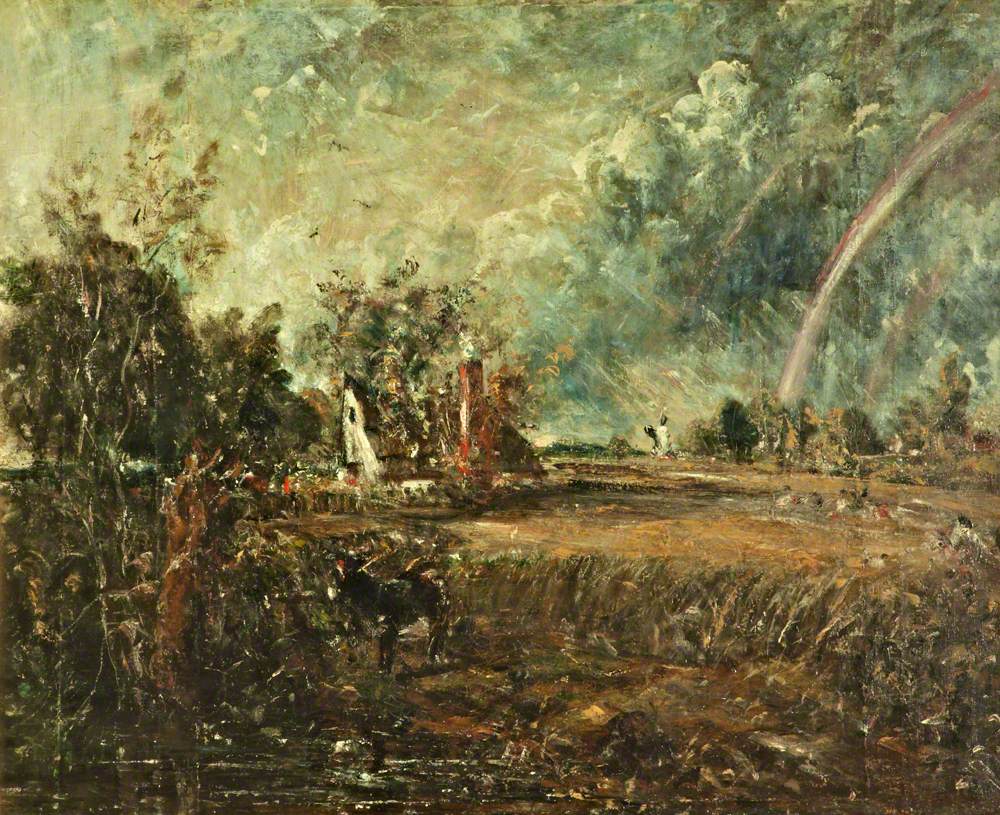
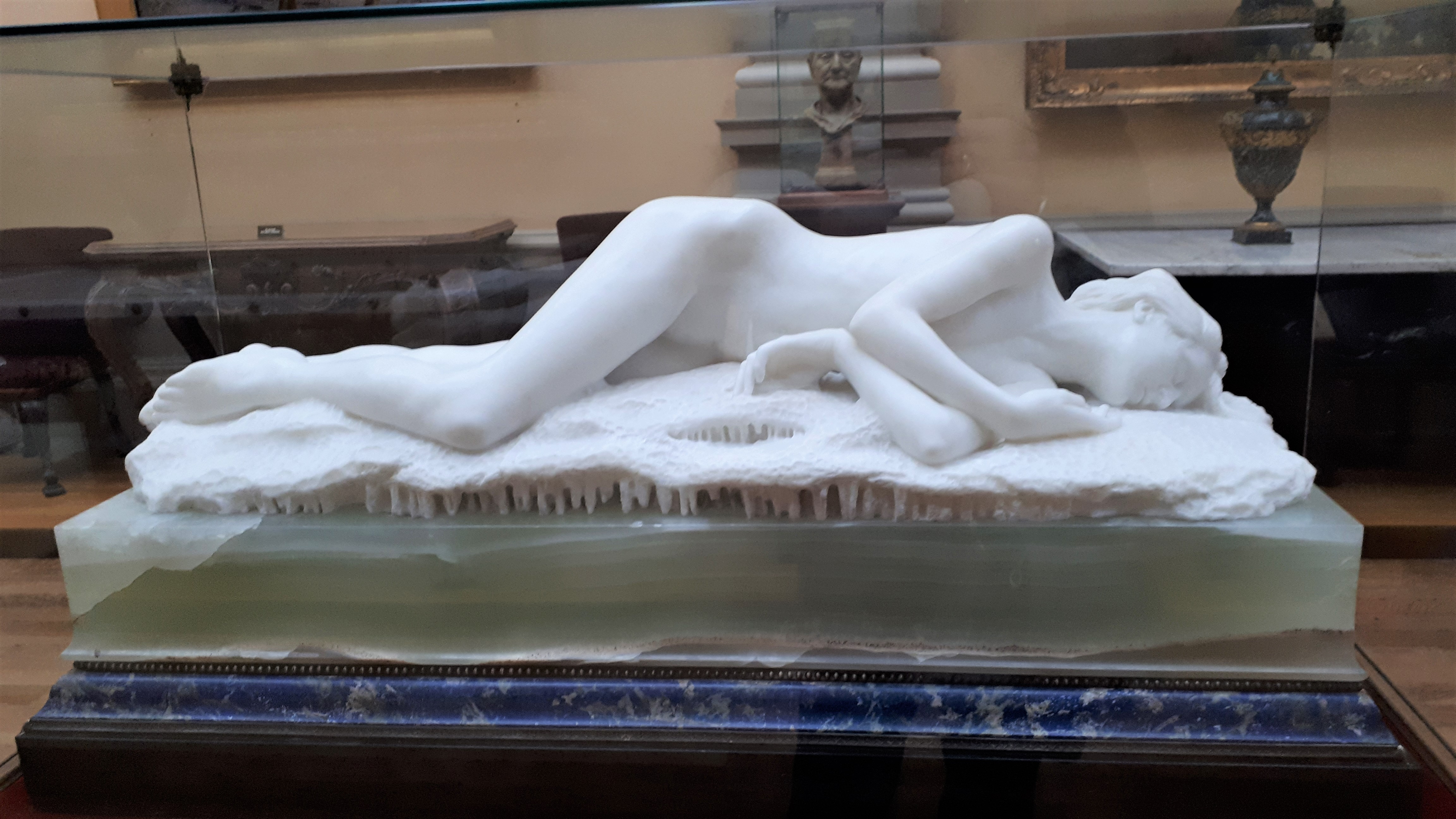
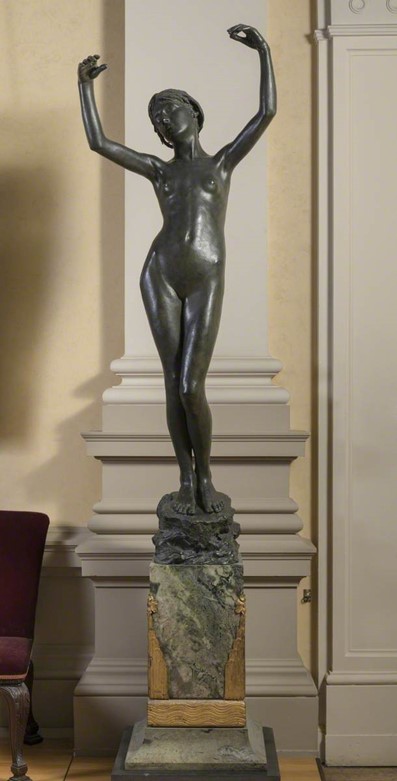
The collection is eclectic, with ceramics from China and from Wedgwood, English furniture, tapestries and even a collection dedicated to Napoleon, which includes his death mask!
Sculptures can be found at the two ends of the building with room 19 dedicated to classical sculptures with the stunning Antinous in the centre:

However, at the other end can be found my favourite, Salammbo by Desiré Maurice Ferrary from 1899. Purchased from the Paris Universal Exhibition of 1900, it was inspired by a novel by Gustav Flaubert, set in Carthage, and tells of the moment where the daughter of the Carthaginian General Hamilcar, Salammbo, prepares to steal back the sacred veil of Carthage, stolen by Matho. As a priestess of Tanith, her father calls upon her to retrieve the veil from its captor. In the novel, Flaubert has a fun time describing the preparations that Salammbo undertakes that Ferrary depicts here in a delightfully titillating manner:
The moon rose; then the cithara and the flute began to play together.
Salammbô unfastened her earrings, her necklace, her bracelets, and her long white simar; she unknotted the band in her hair, shaking the latter for a few minutes softly over her shoulders to cool herself by thus scattering it. The music went on outside; it consisted of three notes ever the same, hurried and frenzied; the strings grated, the flute blew; Taanach kept time by striking her hands; Salammbô, with a swaying of her whole body, chanted prayers, and her garments fell one after another around her.
The heavy tapestry trembled, and the python’s head appeared above the cord that supported it. The serpent descended slowly like a drop of water flowing along a wall, crawled among the scattered stuffs, and then, gluing its tail to the ground, rose perfectly erect; and his eyes, more brilliant than carbuncles, darted upon Salammbô.
A horror of cold, or perhaps a feeling of shame, at first made her hesitate. But she recalled Schahabarim’s orders and advanced; the python turned downwards, and resting the centre of its body upon the nape of her neck, allowed its head and tail to hang like a broken necklace with both ends trailing to the ground. Salammbô rolled it around her sides, under her arms and between her knees; then taking it by the jaw she brought the little triangular mouth to the edge of her teeth, and half shutting her eyes, threw herself back beneath the rays of the moon. The white light seemed to envelop her in a silver mist, the prints of her humid steps shone upon the flag-stones, stars quivered in the depth of the water; it tightened upon her its black rings that were spotted with scales of gold. Salammbô panted beneath the excessive weight, her loins yielded, she felt herself dying, and with the tip of its tail the serpent gently beat her thigh; then the music becoming still it fell off again.
Salammbo, Gustav Flaubert
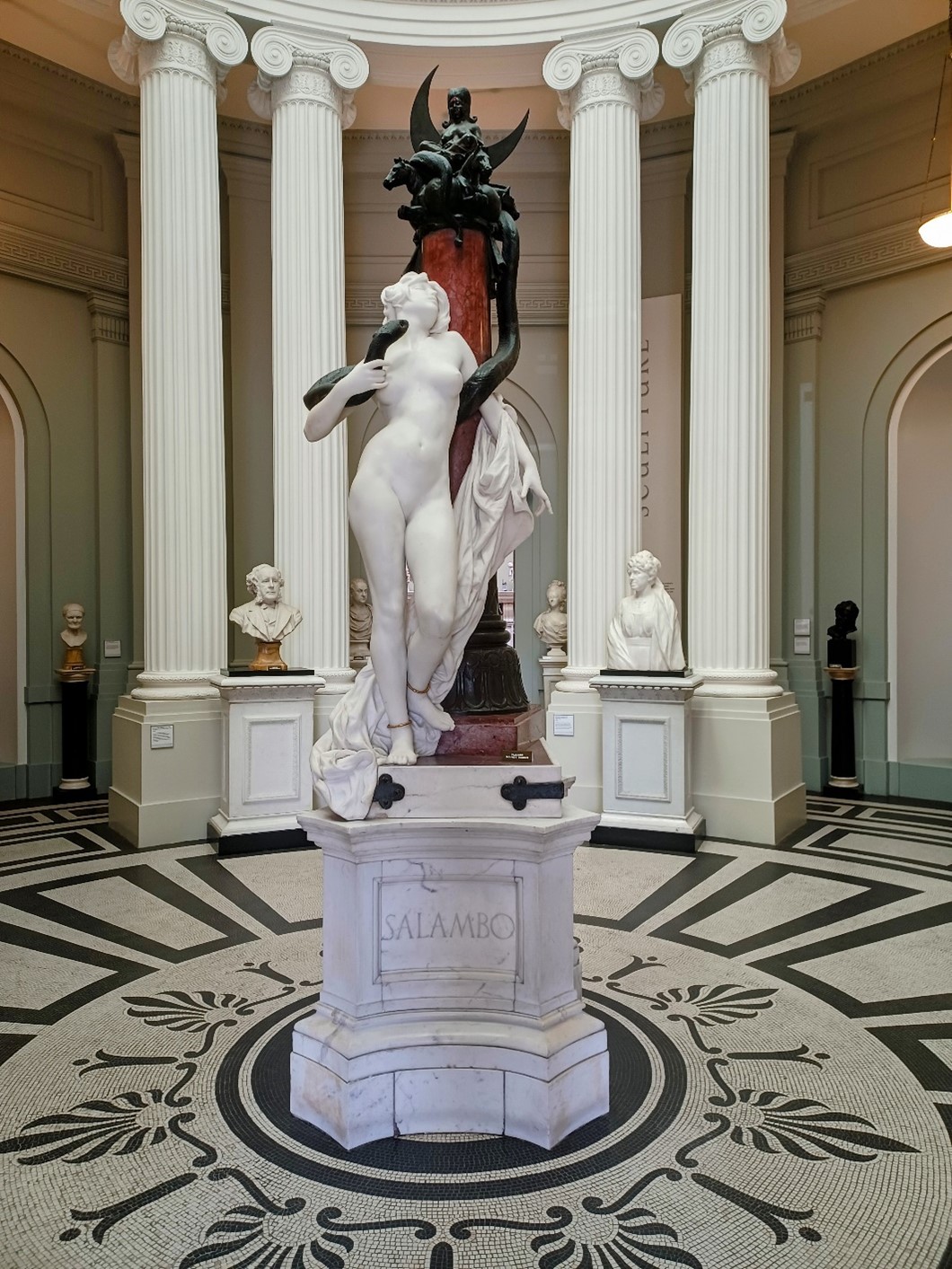
For all the prudishness centred around the Victorians, they certainly did not hesitate to equate eroticism with high art! The marble and bronze work well to depict the nubile beauty of Salammbo, but I always feel a little sorry for the goddess, Tanith, all the way at the top of the column so no one really notices her!
I said at the start that I usually judge a gallery by its cake selection and the Lady Lever does not let us down there. If I can’t have my slice of ginger loaf, without salted butter, much to the chagrin of my usual art companion, then it is not a good day! So far, every visit has been a joy.
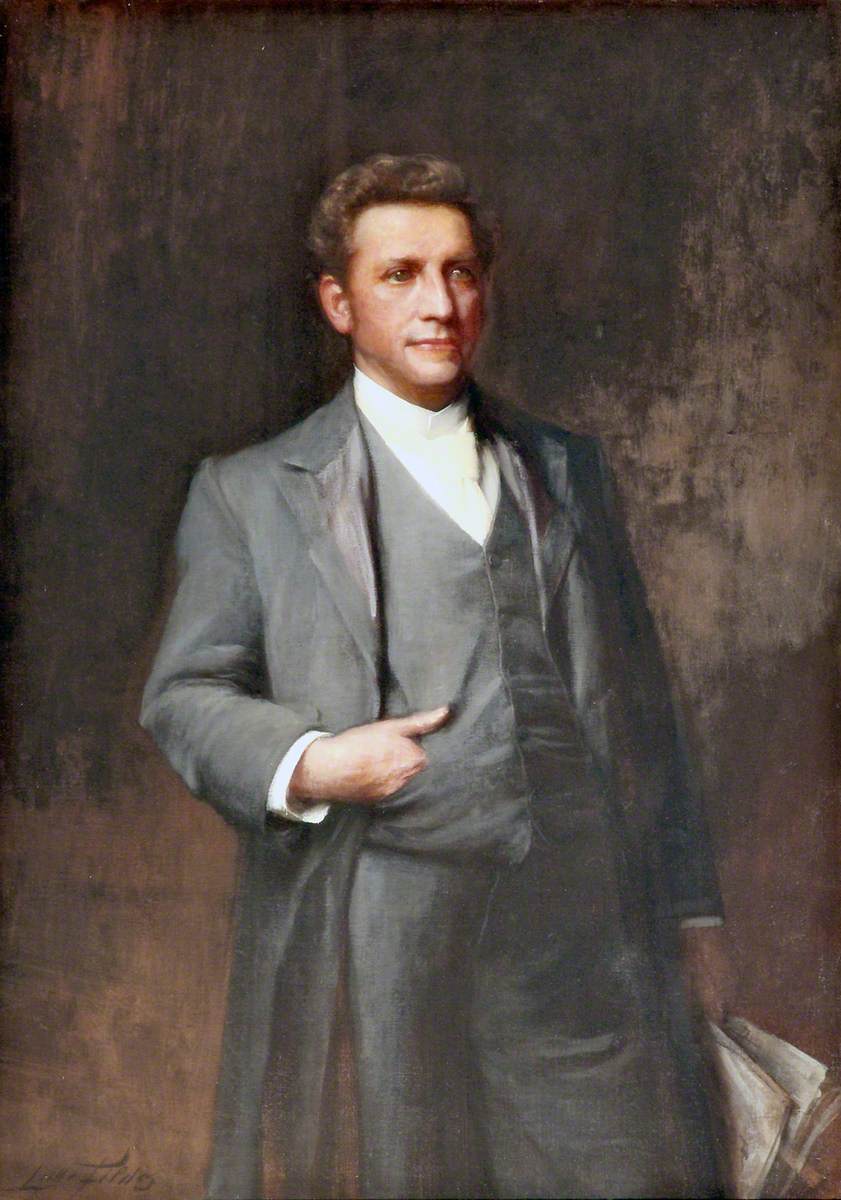
It has been fun to research this piece, and I hope it encourages a few more people to go and take in the delights of this small, but perfectly formed art space, thanks to the philanthropy of William Hesketh Lever, Lord Leverhulme.
https://www.liverpoolmuseums.org.uk/lady-lever-art-gallery
https://leverhulme.net/our-history
William Lever 73, (1851-1925) Industrialist, Philanthropist - YouTube
Portrait of a Man - William Lever - YouTube
Lord Leverhulme (1925) - YouTube
* * *

Wendy is based in the UK and is an English teacher but with industrial tendencies and a particular love of the