

As an emerging artist focused on developing a unique form of landscape painting over the last two decades, I’ve taken much inspiration and learned many lessons from the masters of the genre. I’ve collected and pored through many art books and artist monographs covering the 400-year history of landscape painting in the Western world, but nothing has been more instructive than standing in front of these great works in person. Recognizing this fact, and for the sheer joy of the experience, I’ve become somewhat of an art museum junkie in recent years visiting countless museums during my travels. I’ve even developed a detailed itinerary for a 61-day, ~10,000-mile, solo driving tour of 50 US museums I'm planning to visit as part of my ongoing quest to physically view as many master landscape paintings as I can before I leave this lovely planet.
One of the challenges of my quest given the limitations of time is avoiding the distraction of compelling and/or iconic artworks outside of my chosen genre while traversing these well-endowed institutions; I’m forced to figuratively put on blinders while I search for the paintings that I know will inspire and inform my own work. Sometimes, however, this is impossible as was the case during my first visit to The Courtauld Gallery in London this April. Up until the morning of my visit I wasn’t even aware of the existence of this gem of a museum. This was my third extended trip to the United Kingdom in 18 months to see art, make art, and show art. In the process I have made repeat visits to several great museums in London and traveled to Cambridge, Oxford, Manchester, Liverpool, Glasgow, and Edinburgh to see more. I stumbled upon The Courtauld while searching online for something new and a cursory look at the museum description made it obvious to me that a visit was in order that day.
The Courtauld Gallery is located in Somerset House in the heart of central London and is self-described as “a renowned collection that ranges from the Medieval period to the 20th century and includes world-famous Impressionist and Post-Impressionist masterpieces by Manet, van Gogh, Cézanne and others.” The museum is open Monday to Sunday from 10.00 to 18.00 (last entry 17.15) and admission prices of £9 weekdays and £11 weekends cover entry to the Gallery, which includes the permanent collection as well as smaller exhibitions and displays (additional charges apply for temporary exhibitions).
My typical mode of exploring small museums is to walk up to the top floor and work my way down stopping in the museum store on the way out to either snap a photo of or purchase must-have exhibition catalogs or artist monographs. Elevators are available, but I chose to ascend this lovely semicircular staircase instead to the third floor which houses the Gallery’s Impressionism and 20th Century permanent collection:
Another standard practice of mine during my inaugural visits to museums is to photograph the artworks that most inspire me (where permitted) along with the placard describing the work. Here is the first painting I recorded, one of several iconic works in the Gallery’s small but astonishing collection that prompted me to exclaim to myself, “What?? That painting lives here!?”:
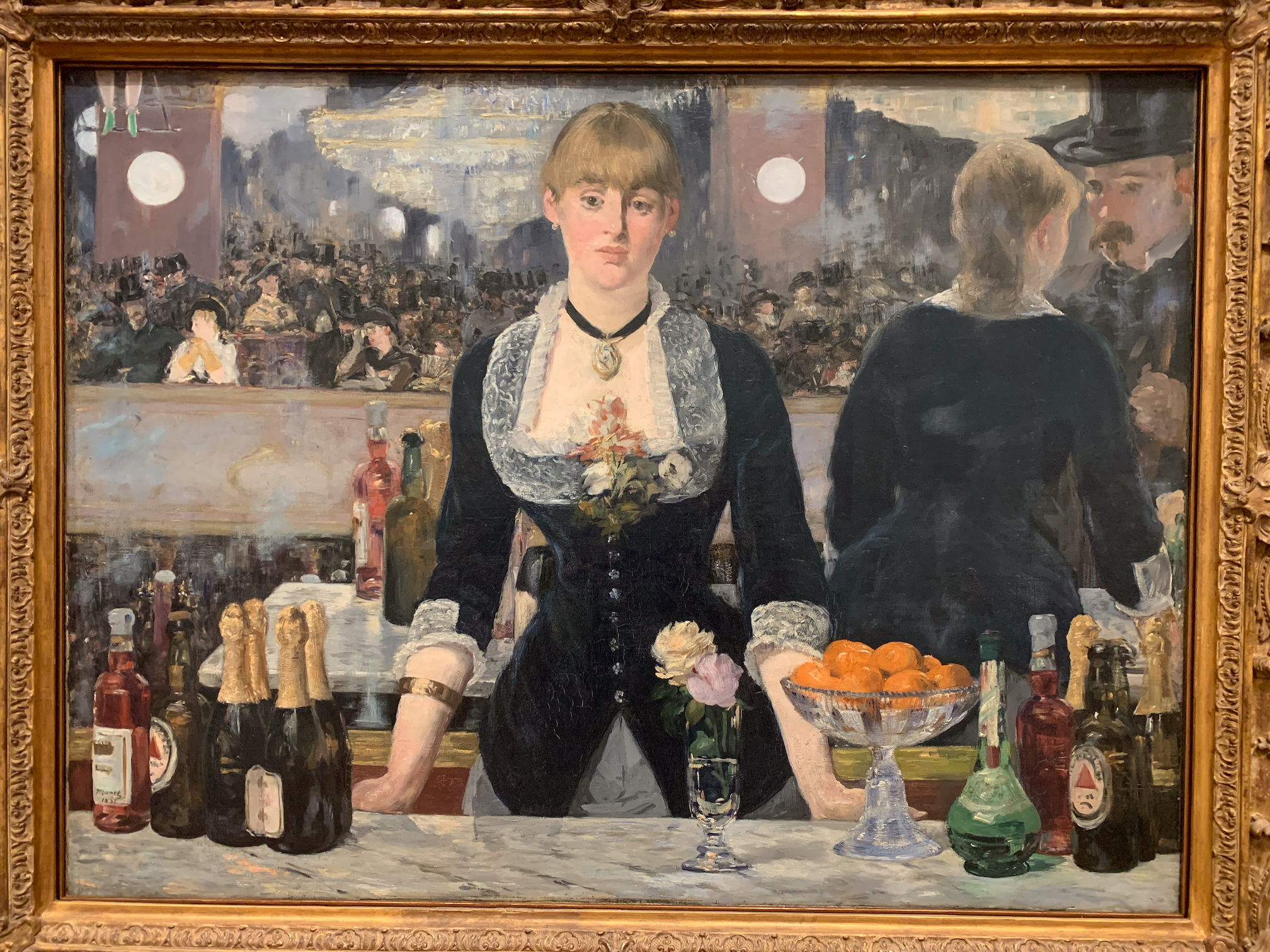
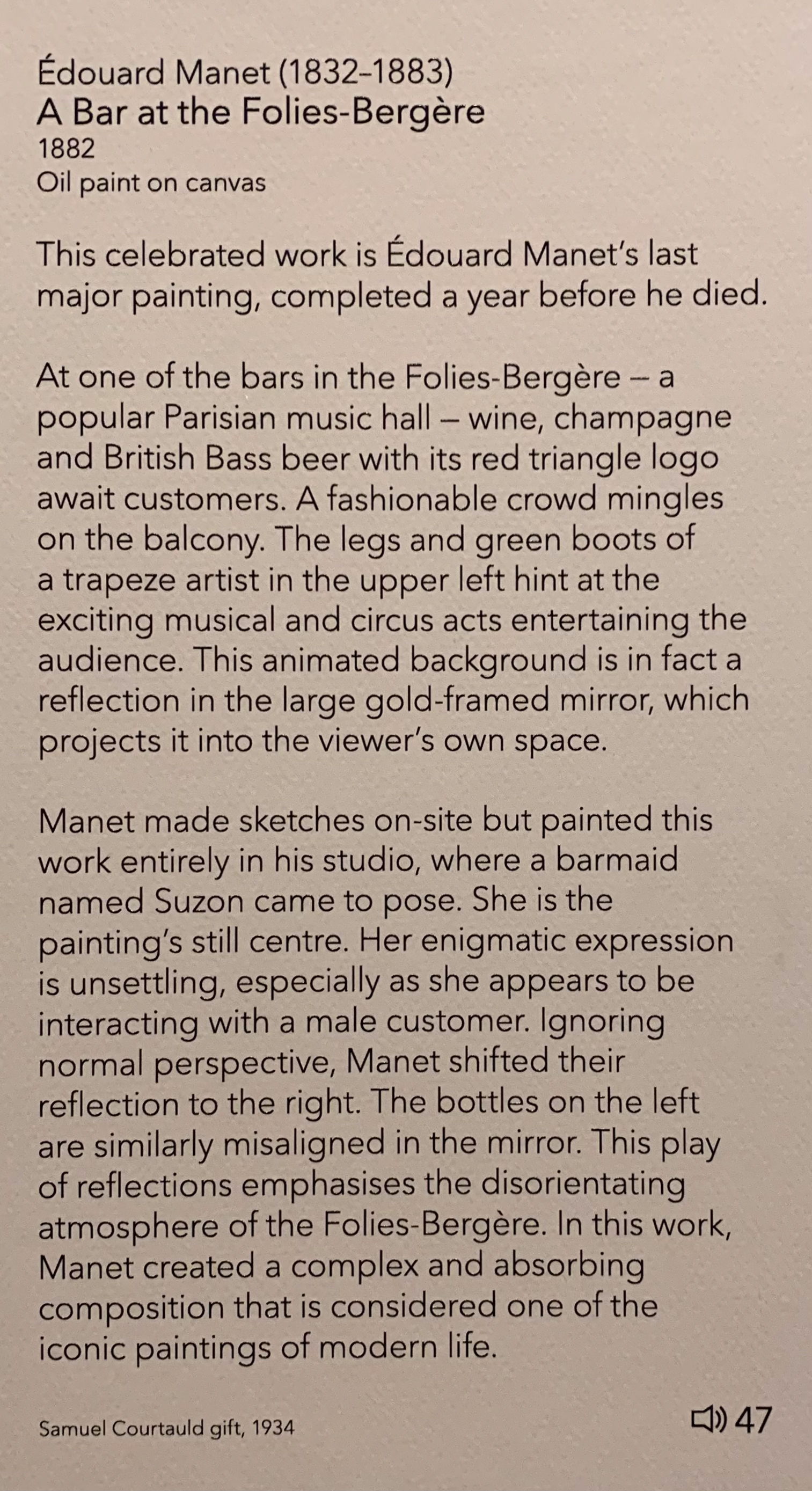
Here’s another one I expect many of you will recognize:
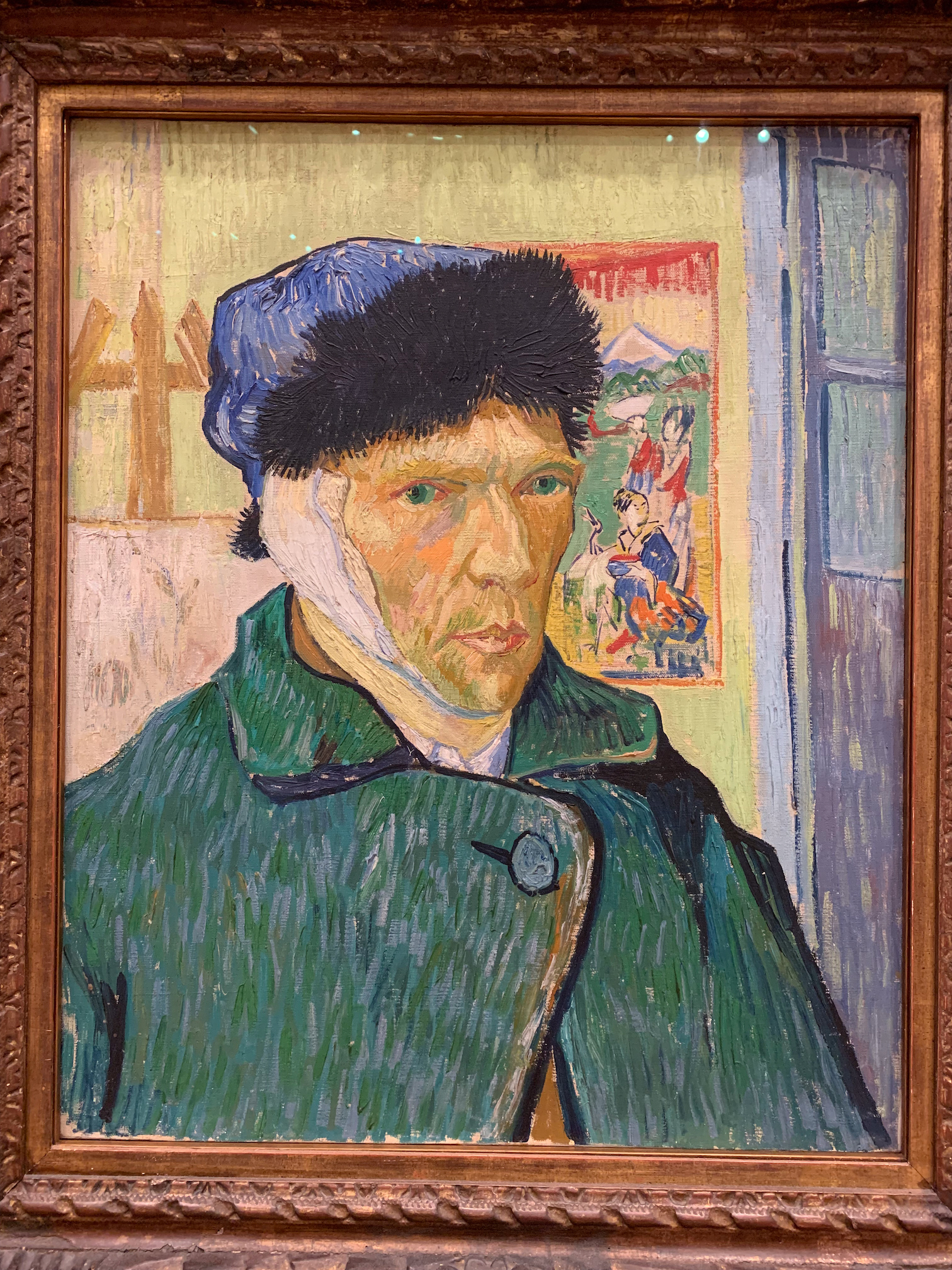
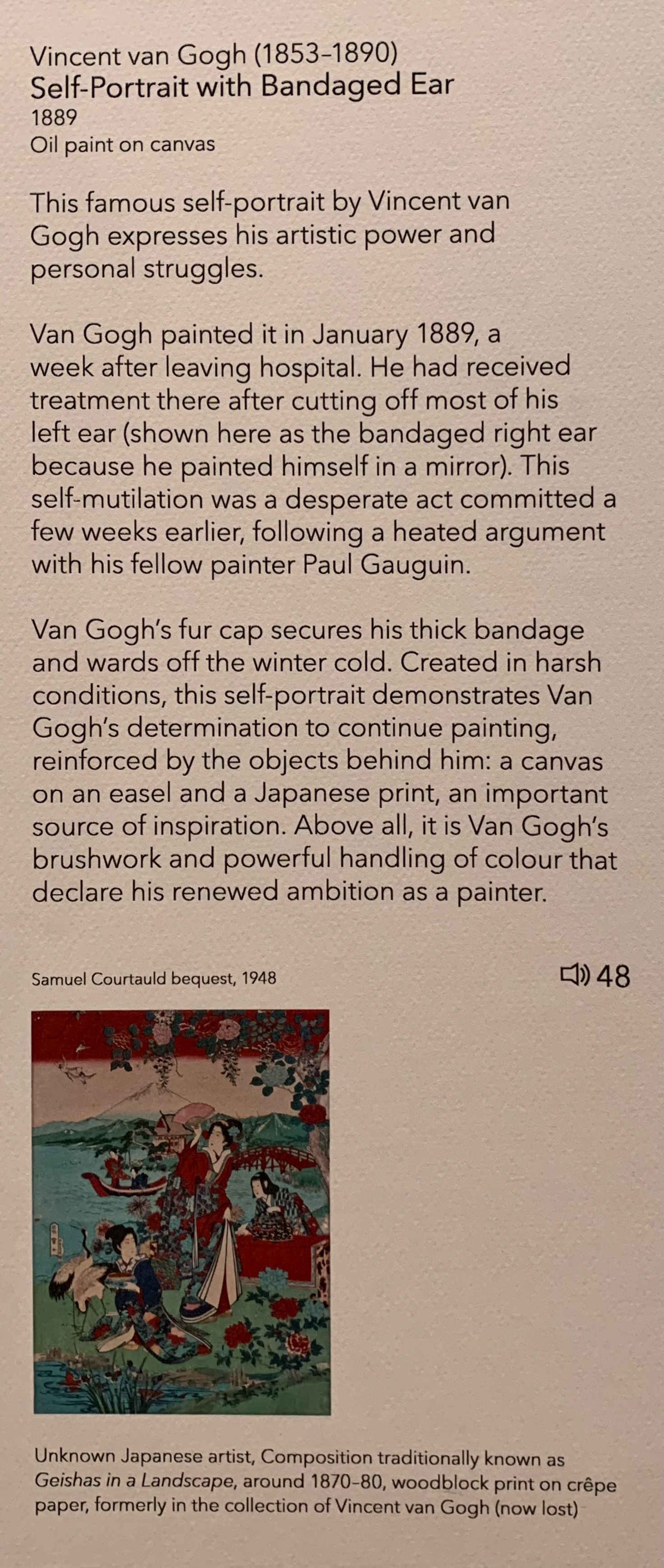
And yet another:
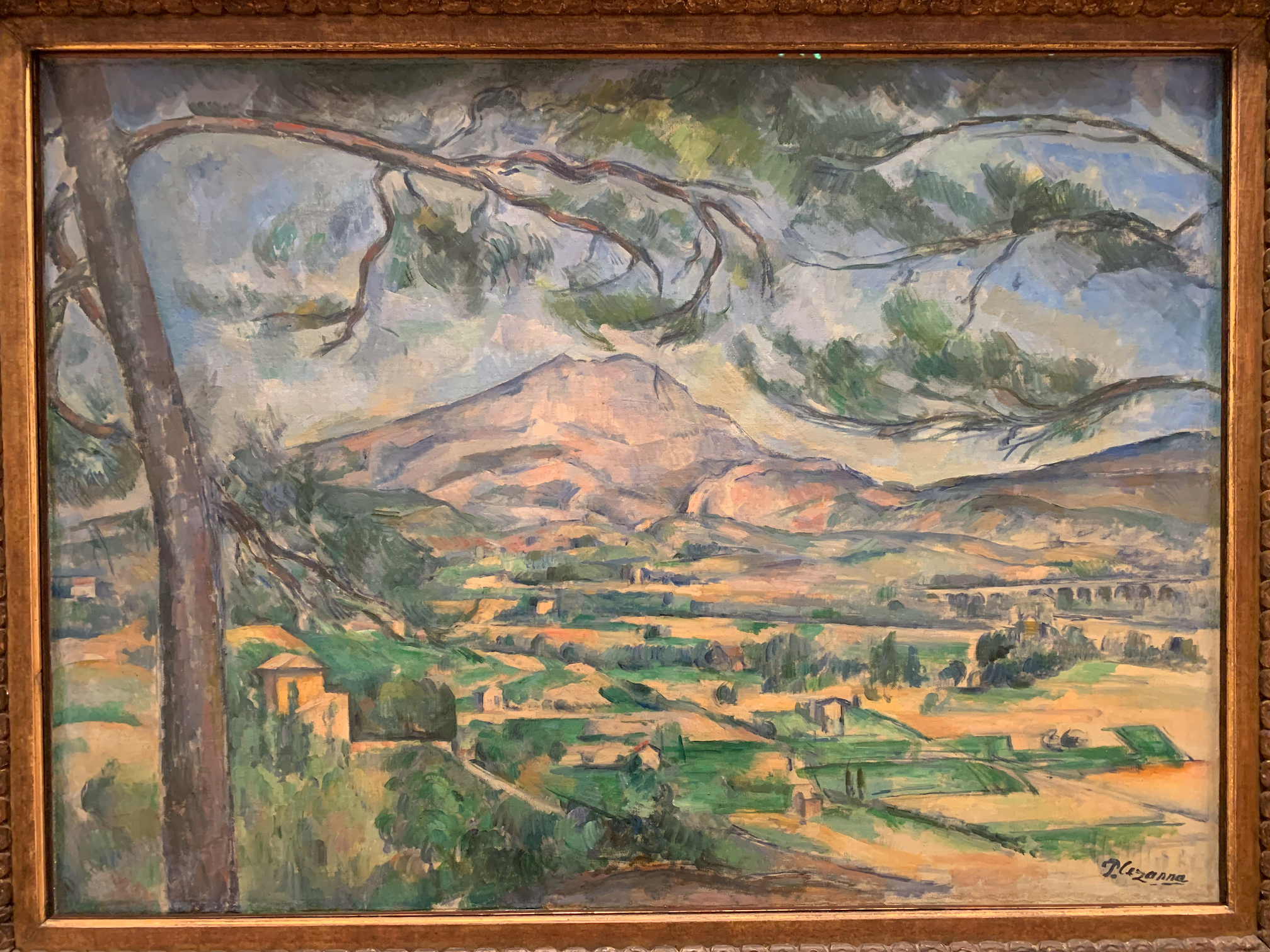
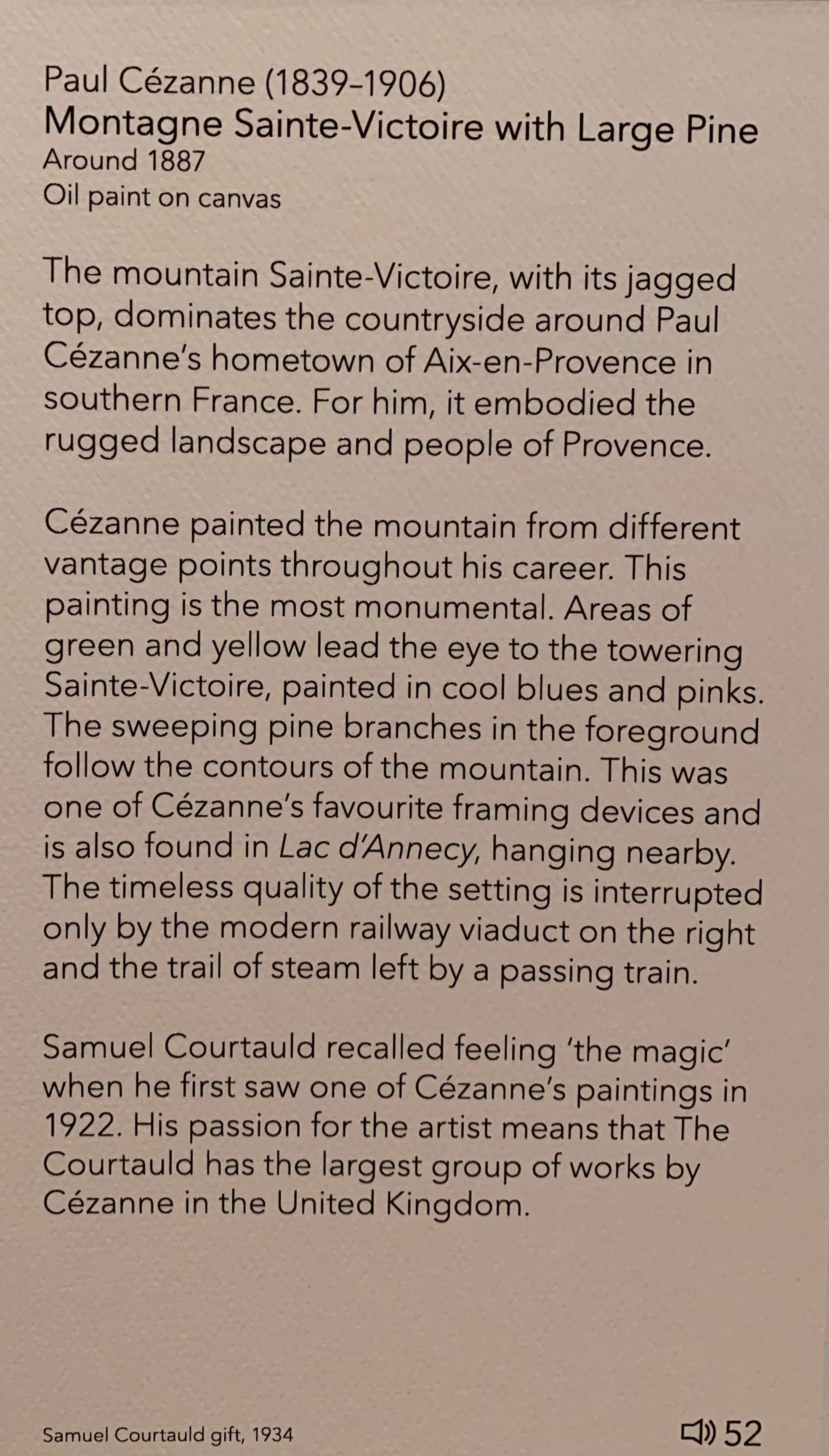
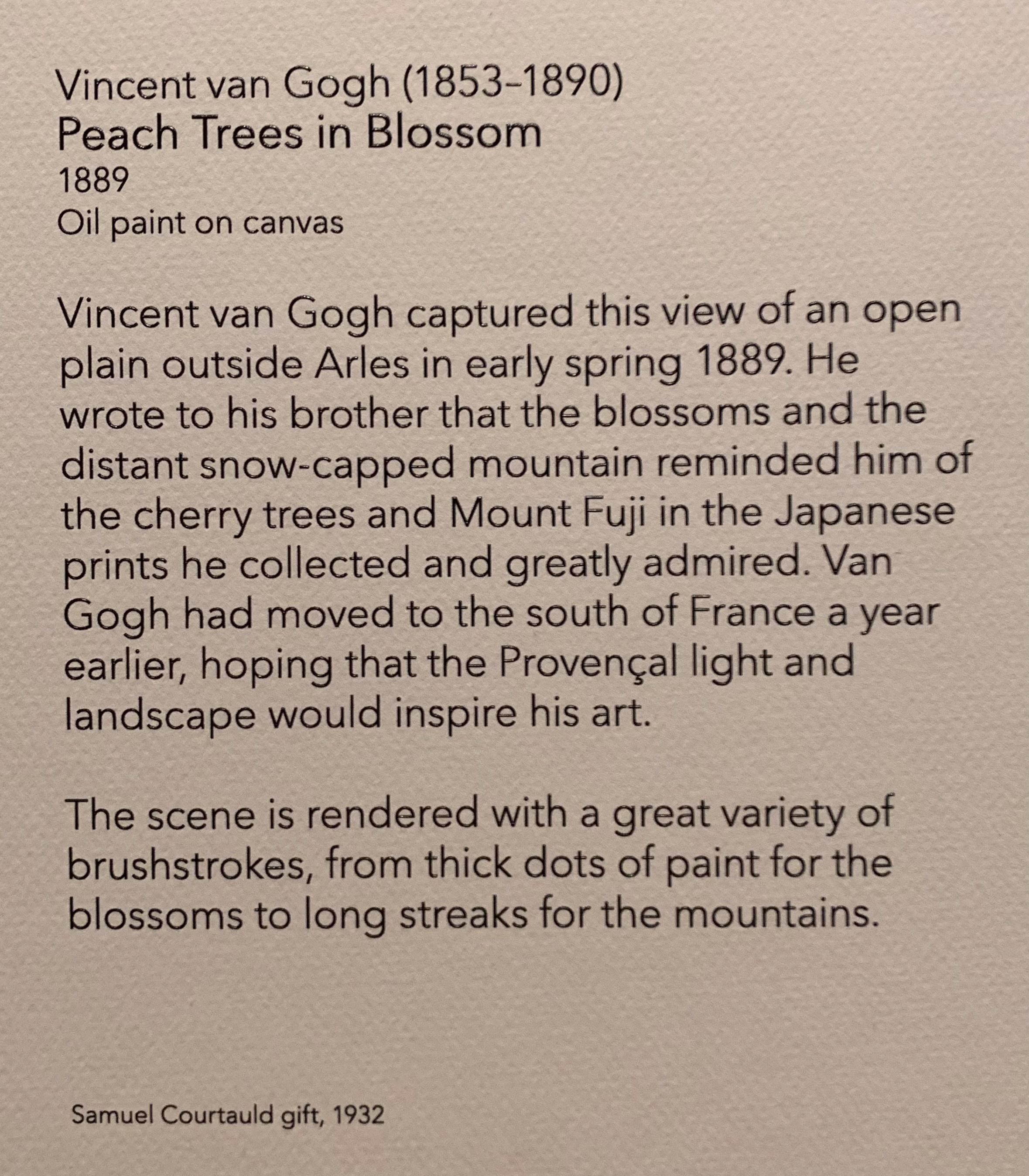
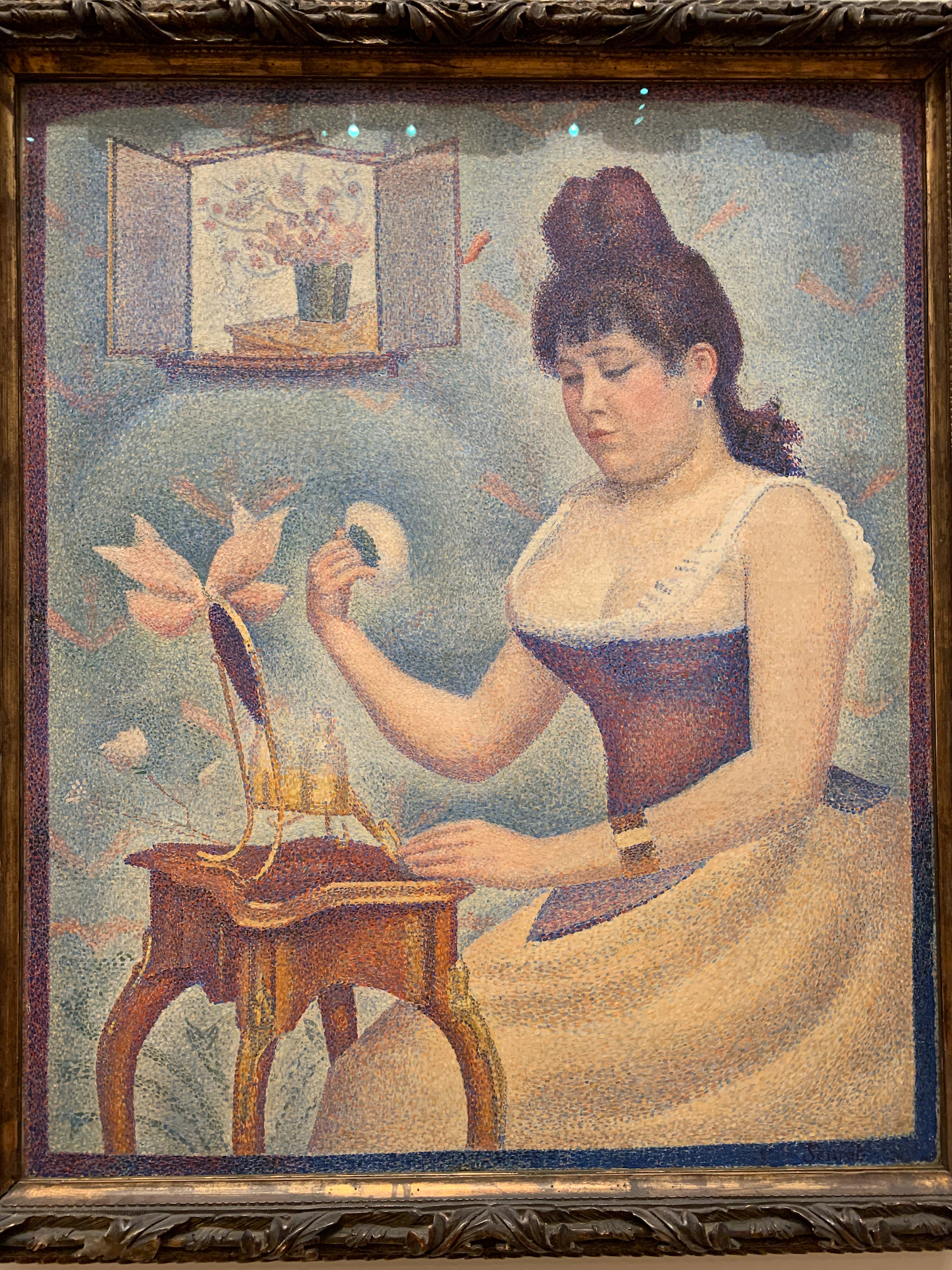
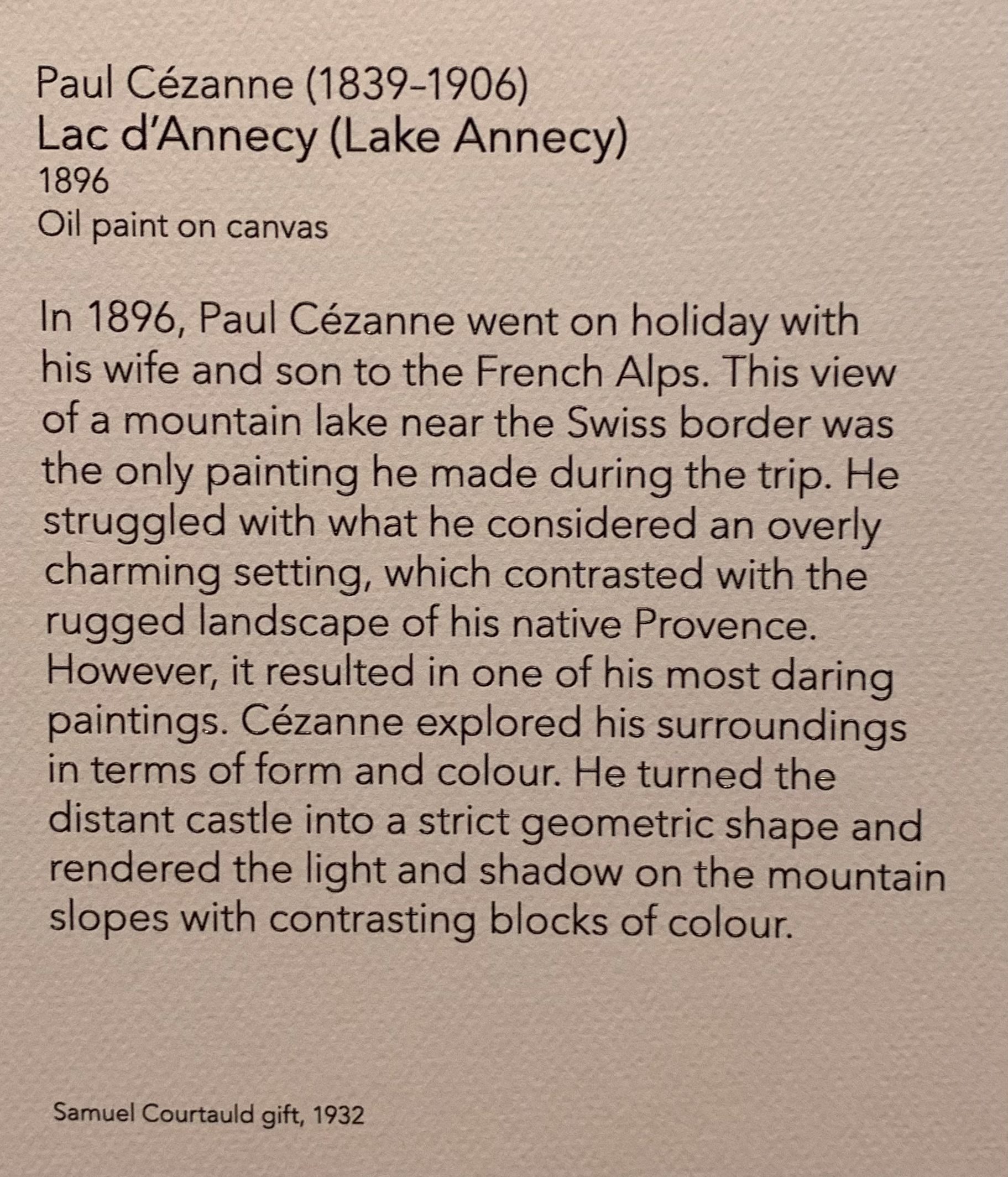
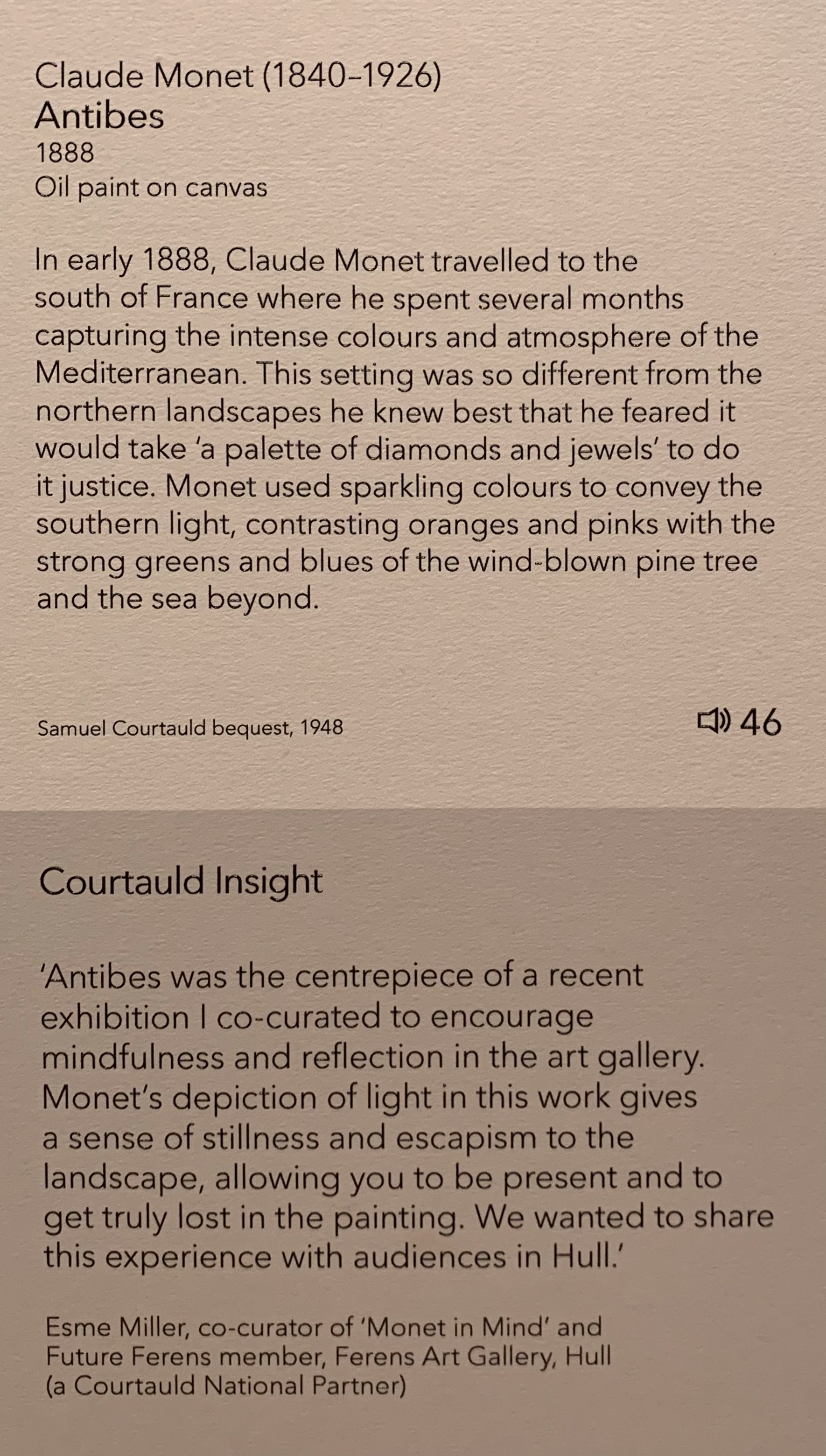
Lesser known but stunning works by famous artists of this era that warranted (in my humble opinion) recording/sharing them include these:

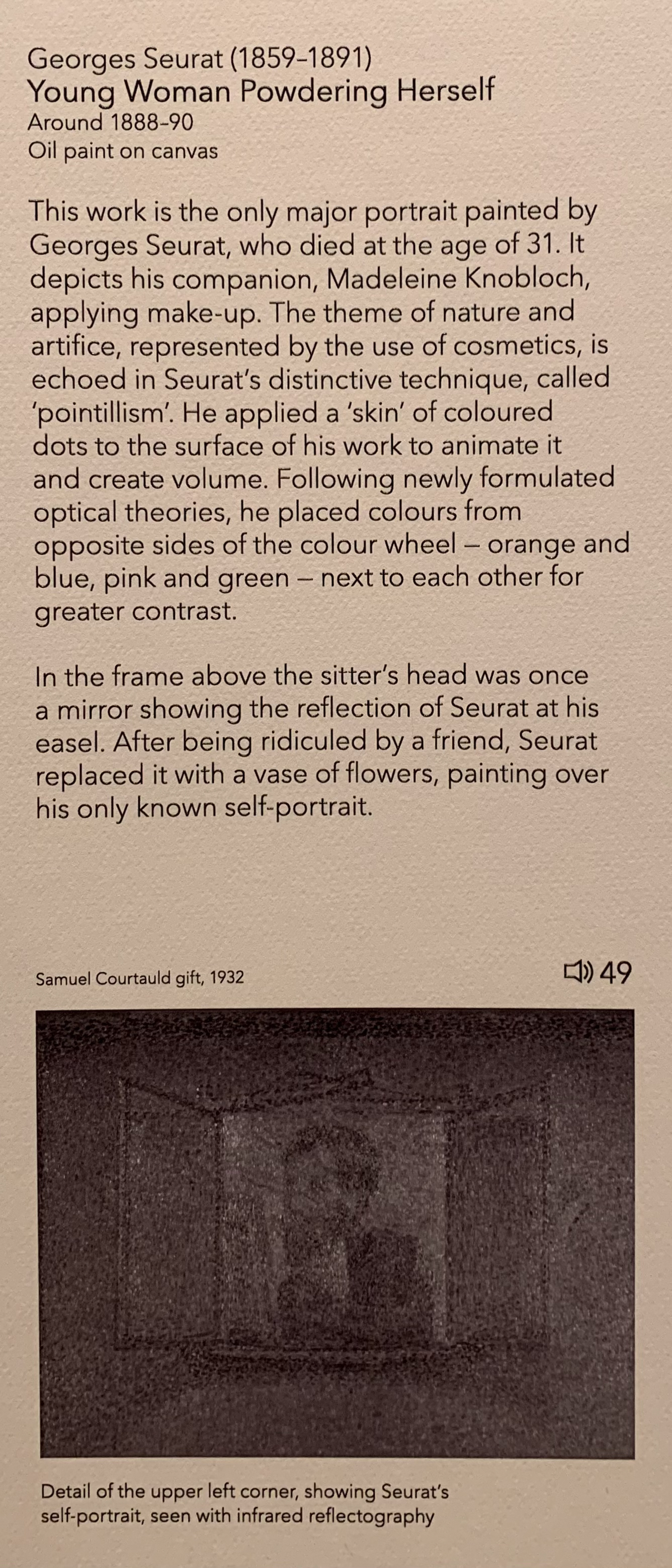
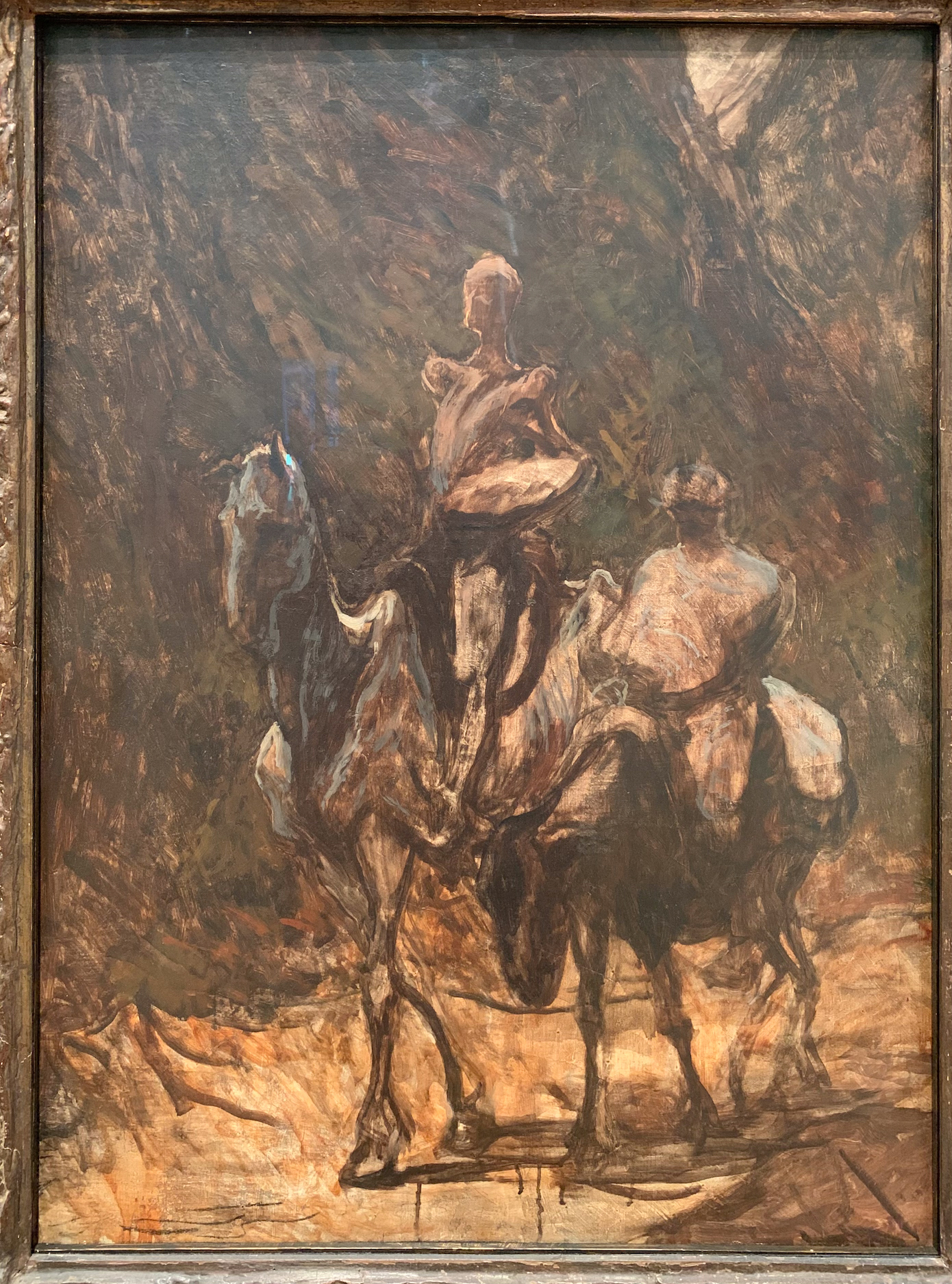
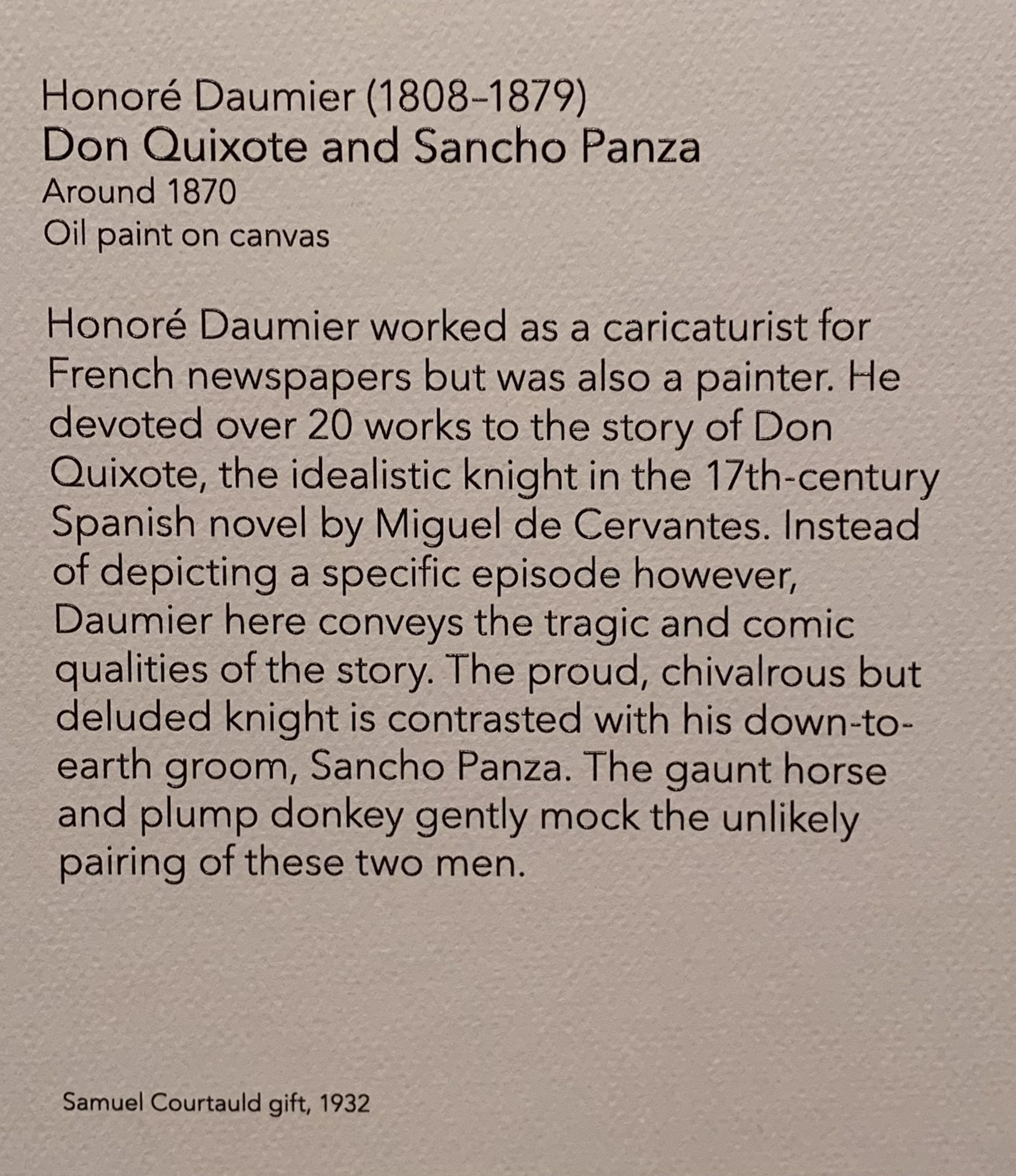
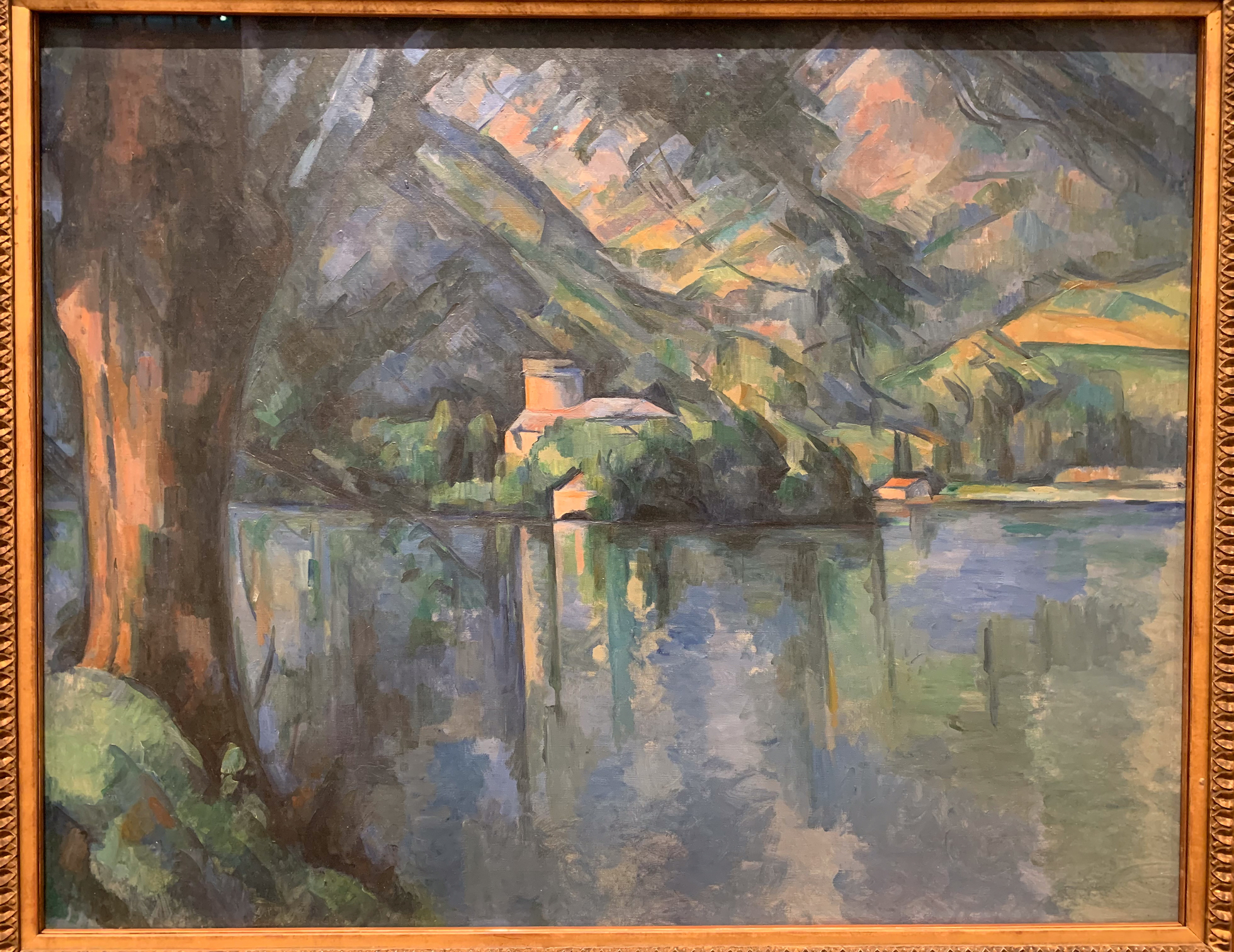
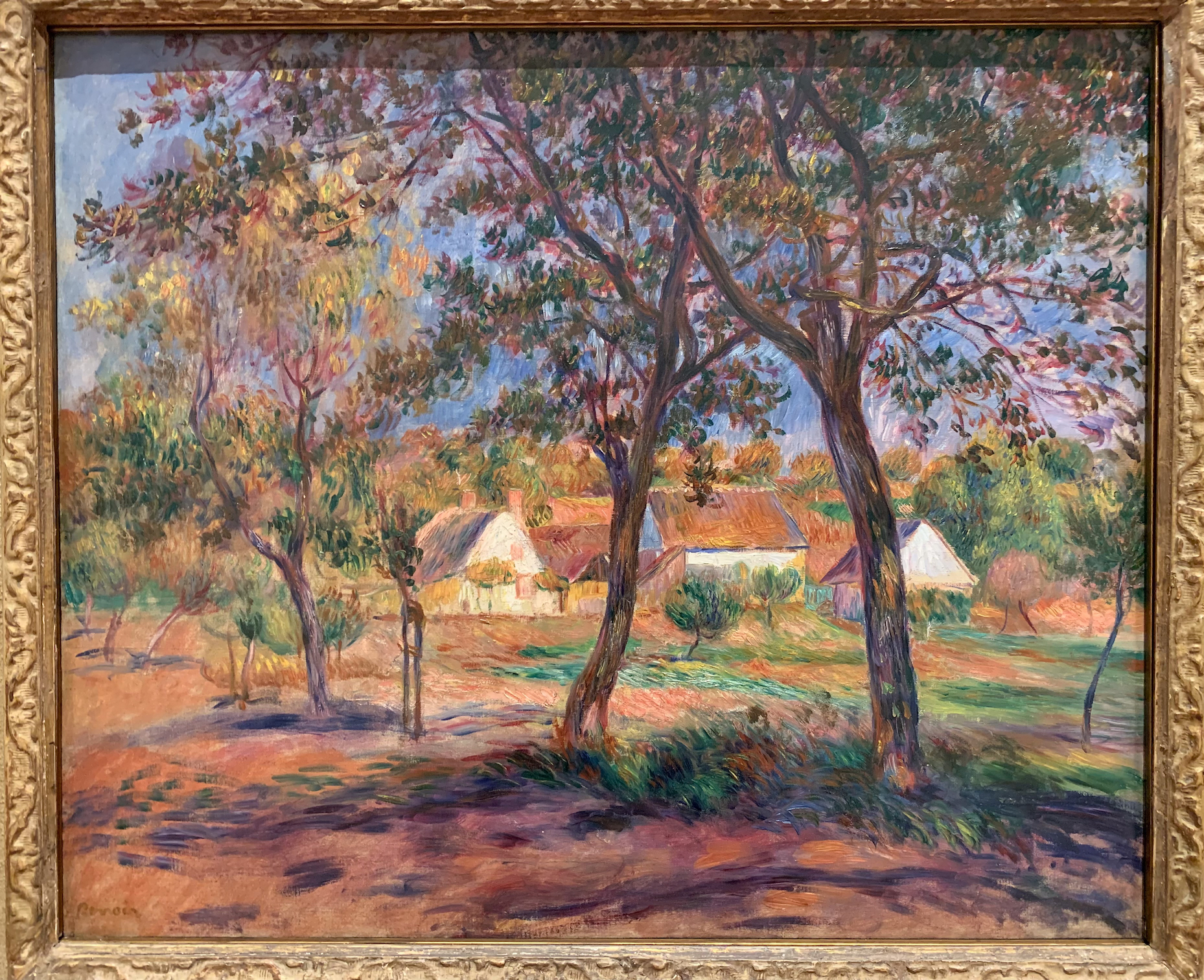
When I shared this one on Facebook, it prompted one of my more sophisticated art-loving friends to comment, “Nicest Renoir I’ve seen!”:
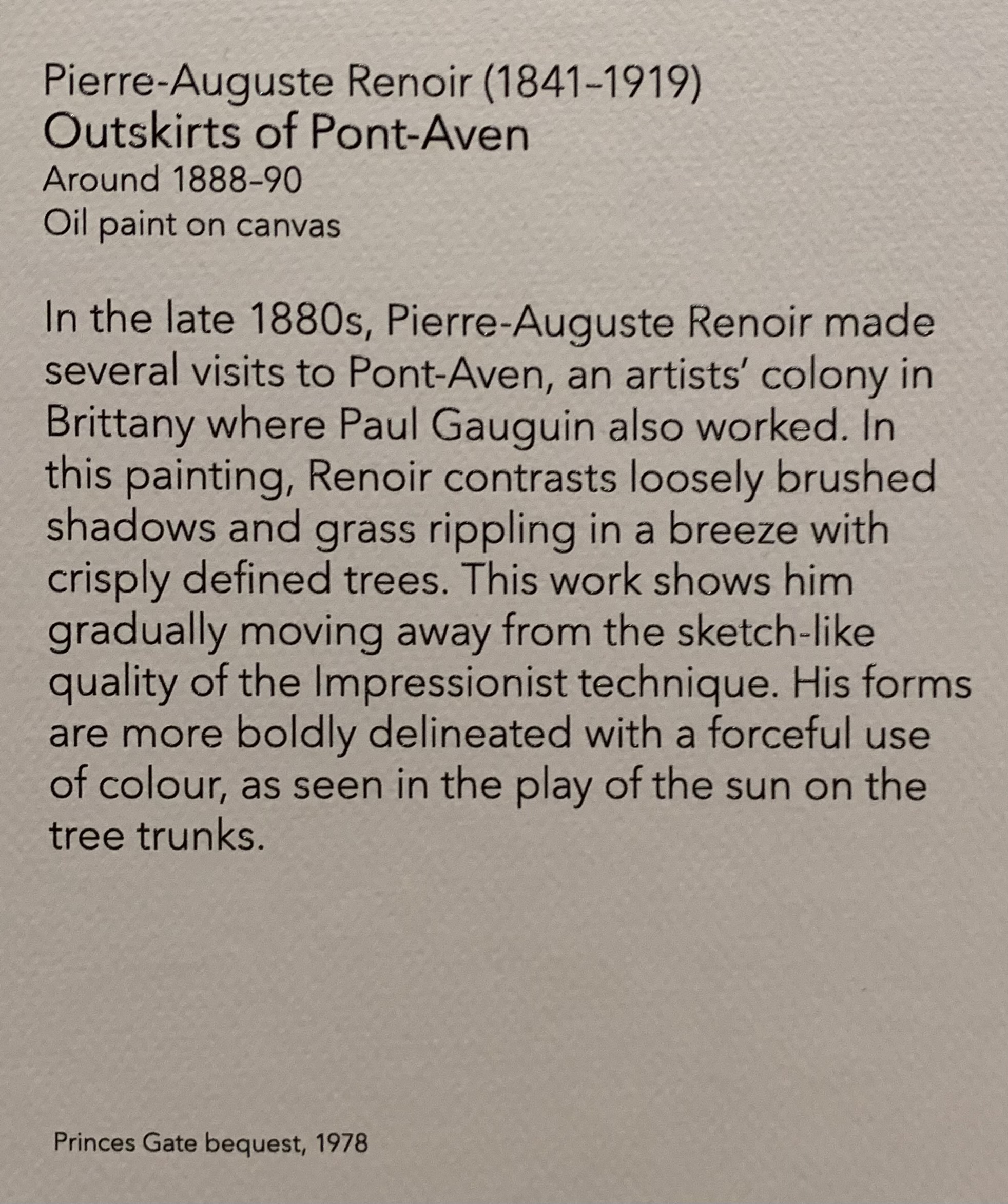
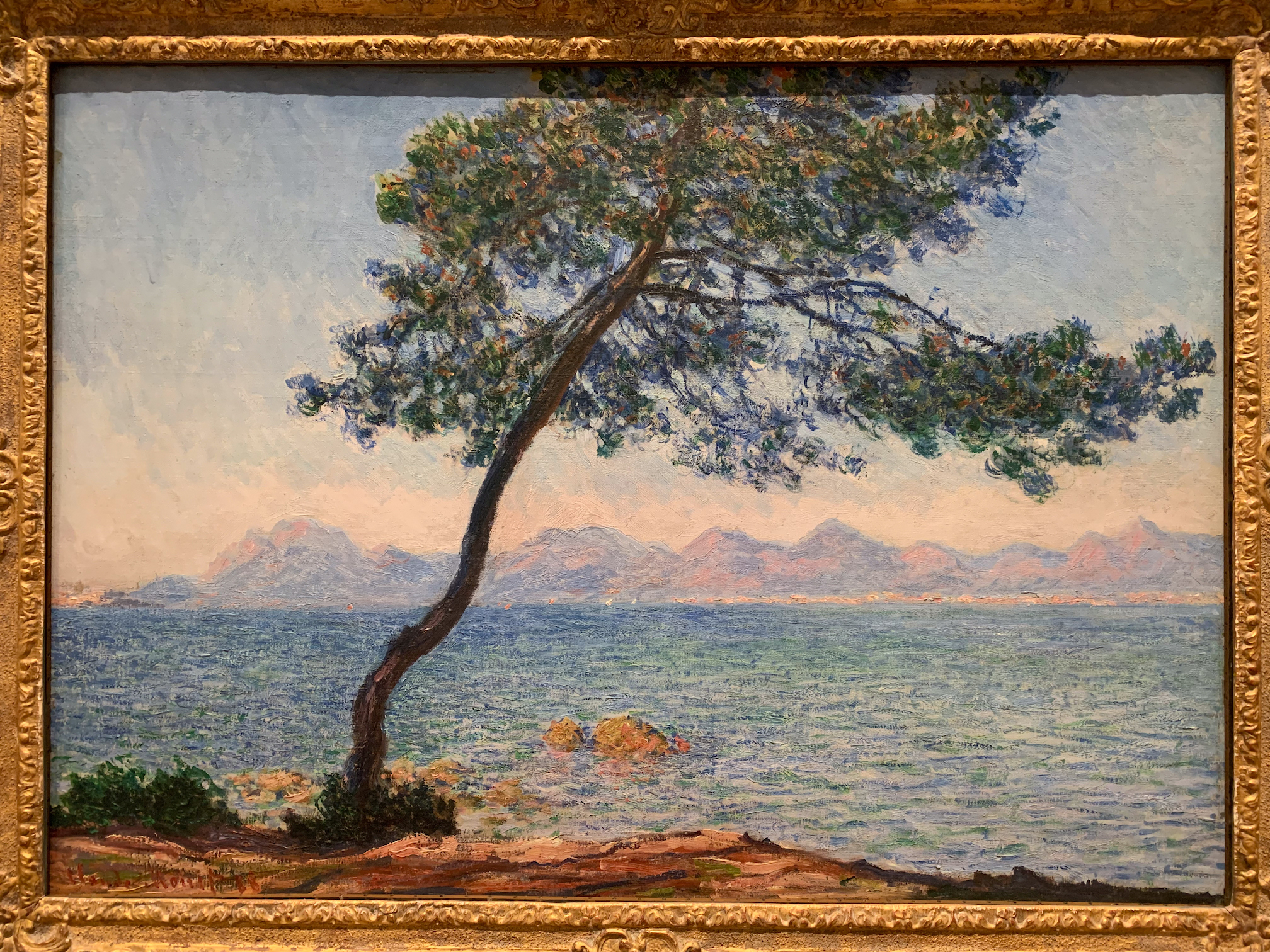
A couple more highlights before leaving the third floor galleries:
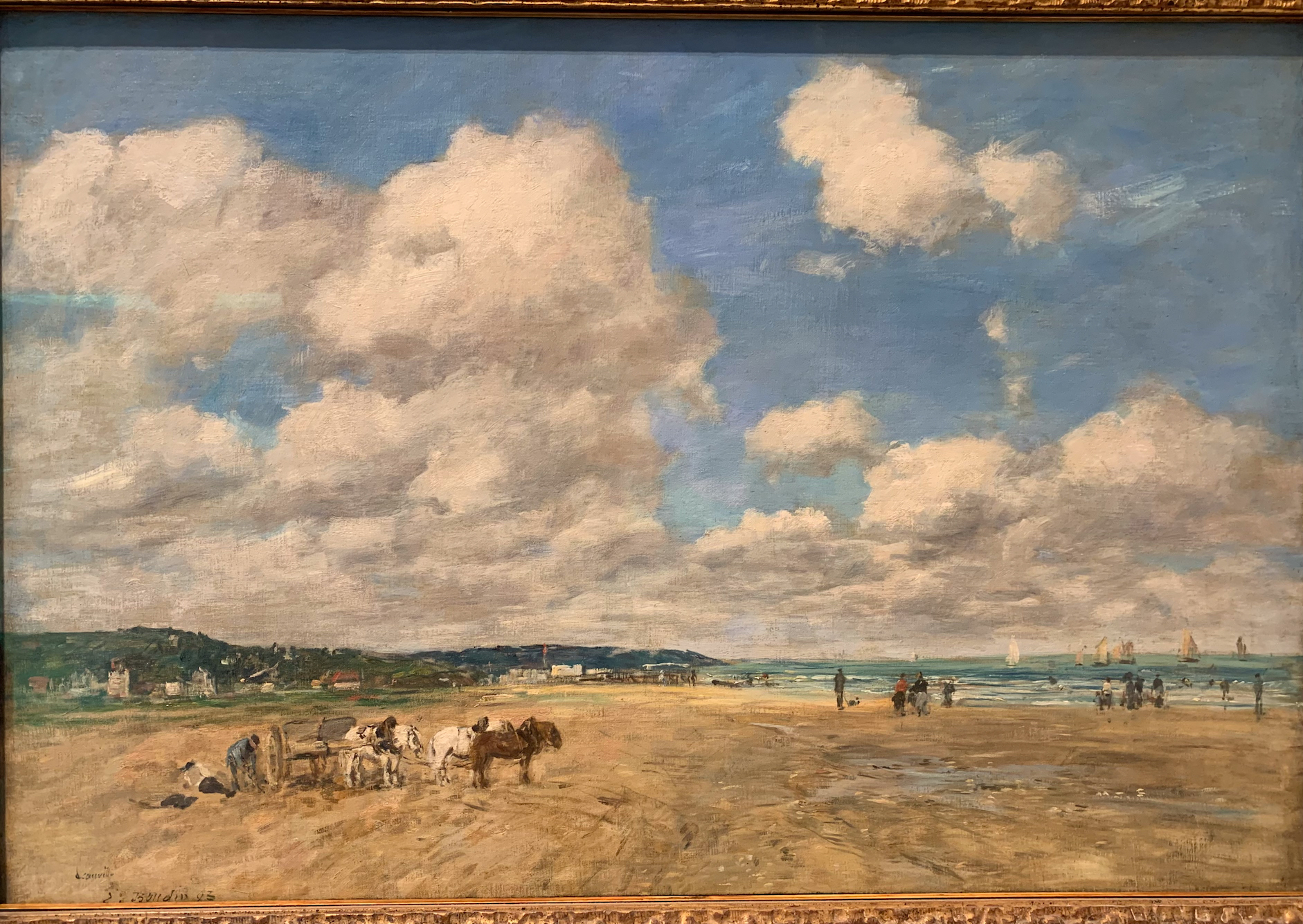
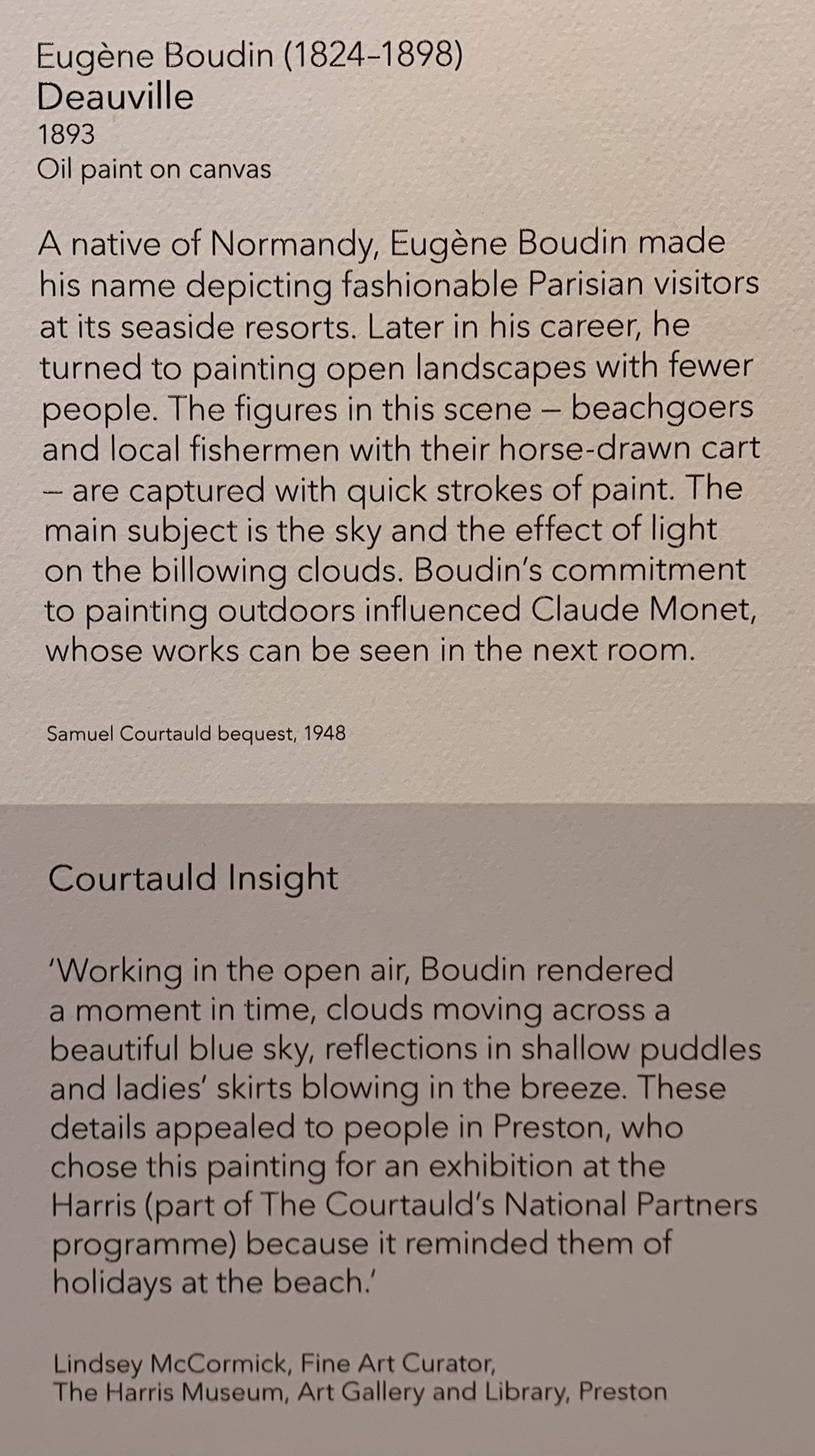
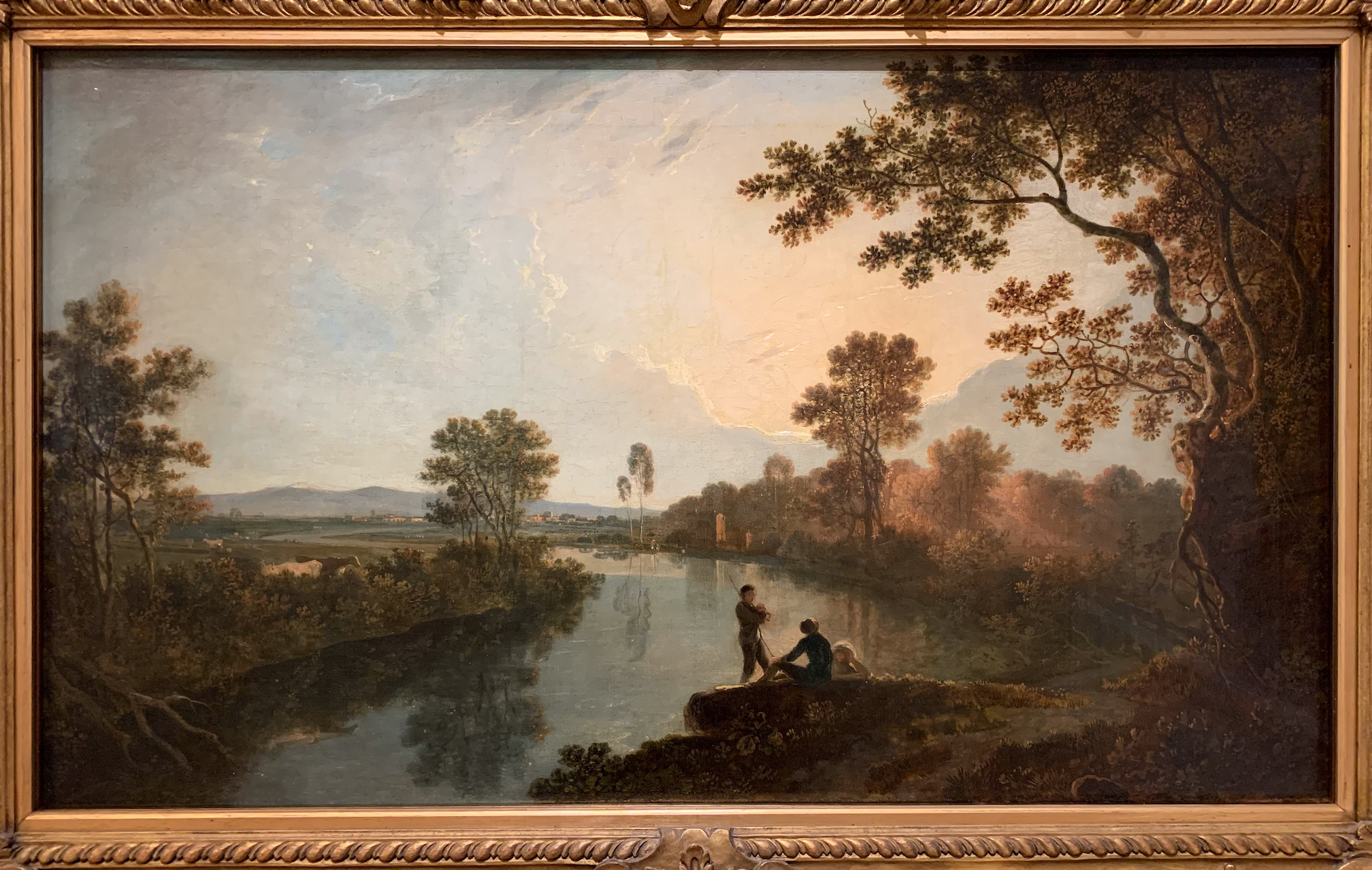
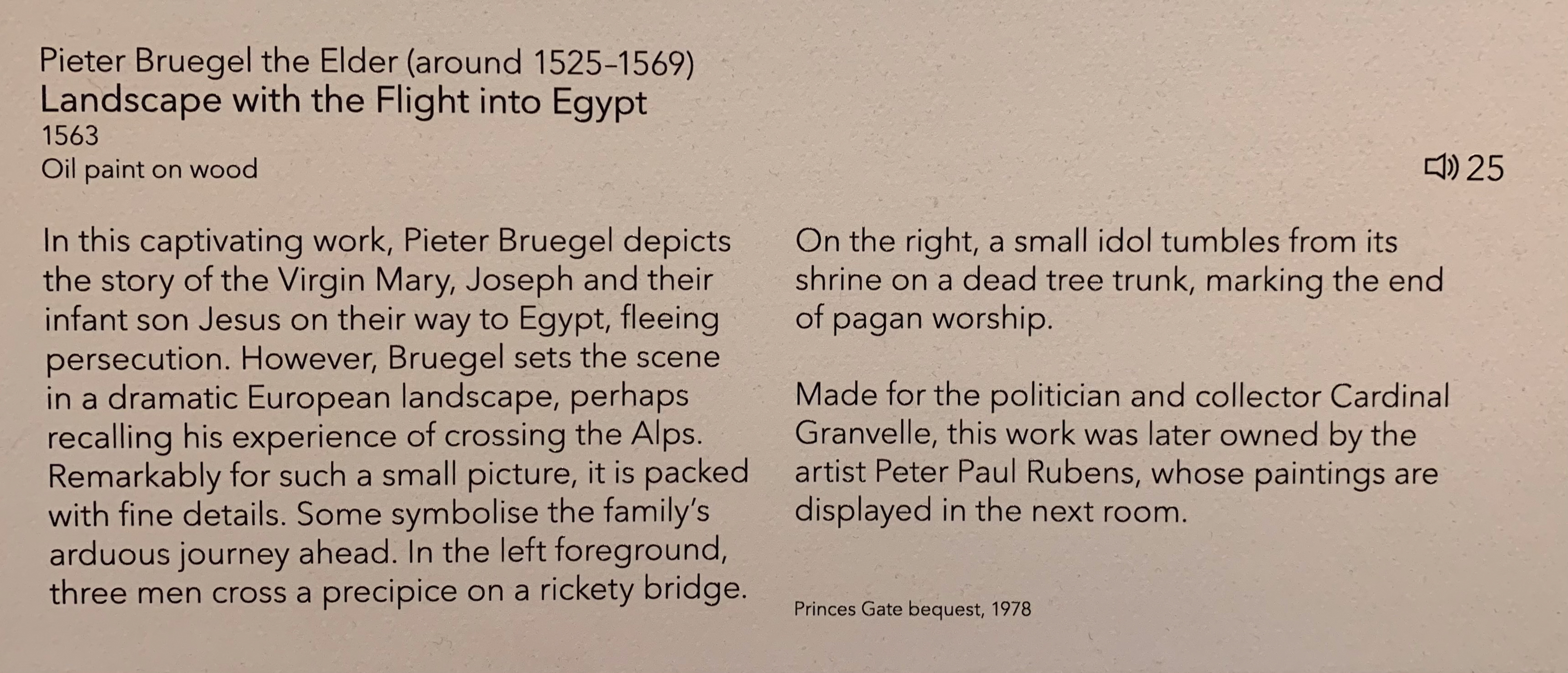
Descending to the Blavatnik Fine Rooms on the second floor, I was particularly impressed by these earlier artworks:
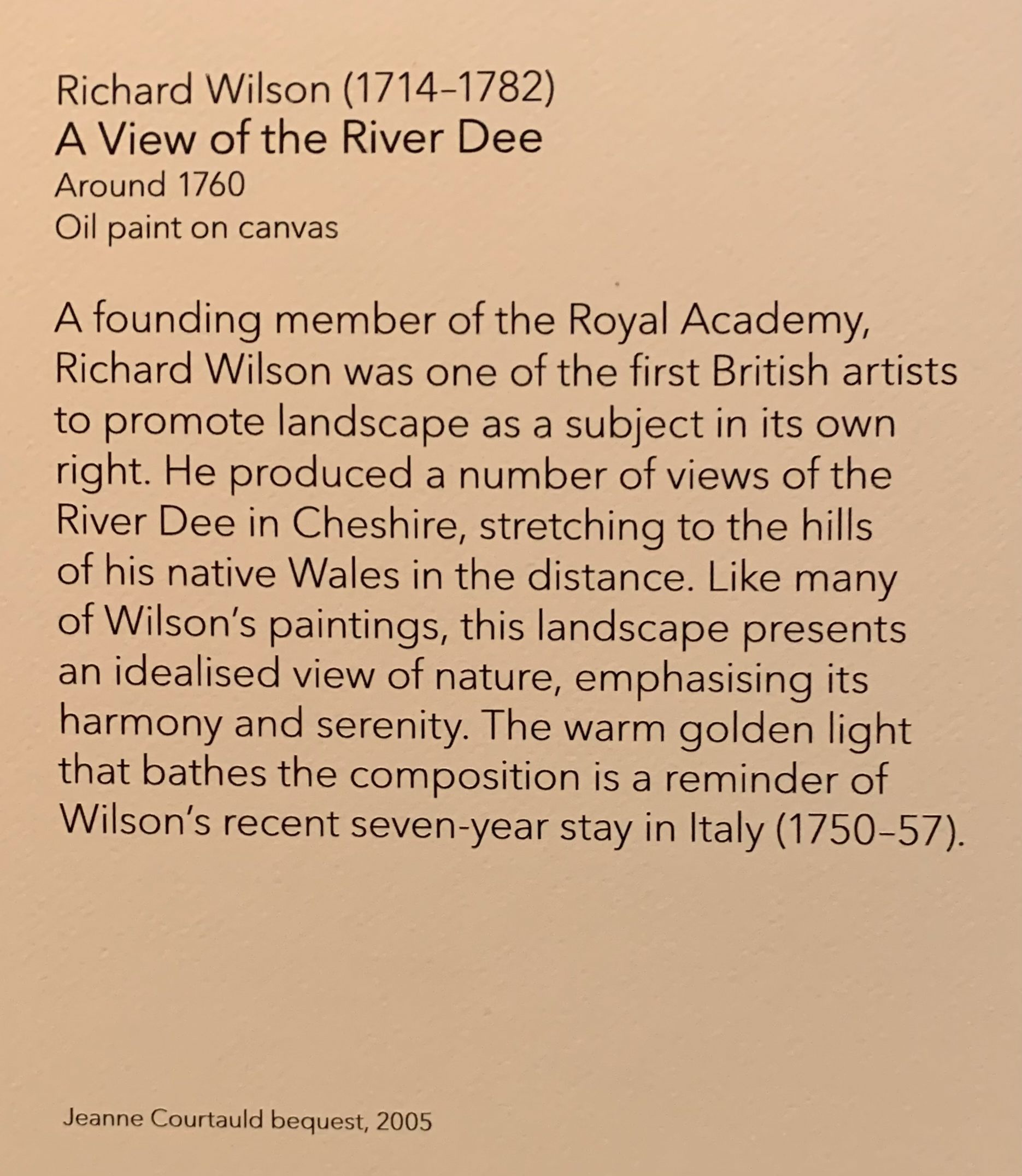
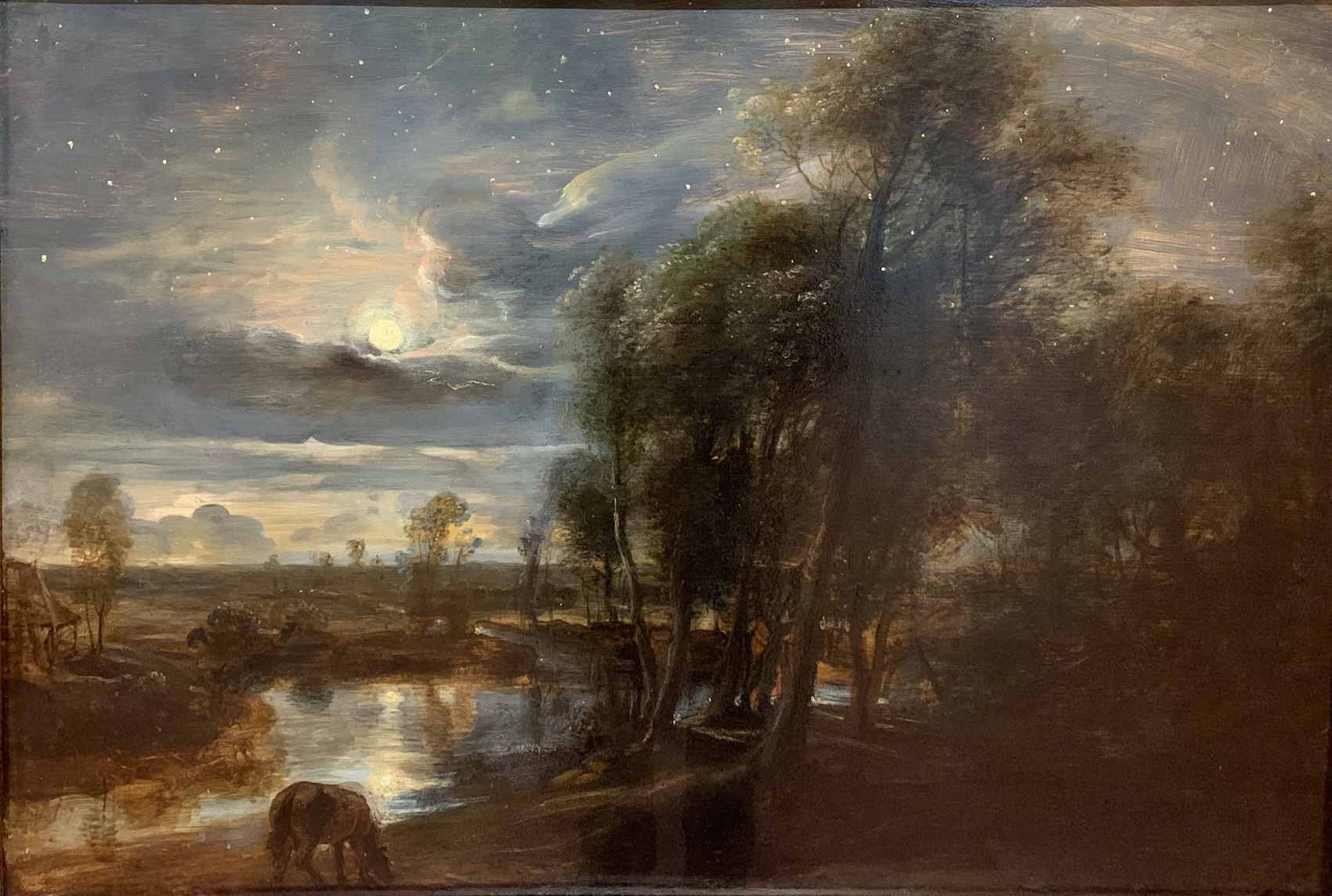
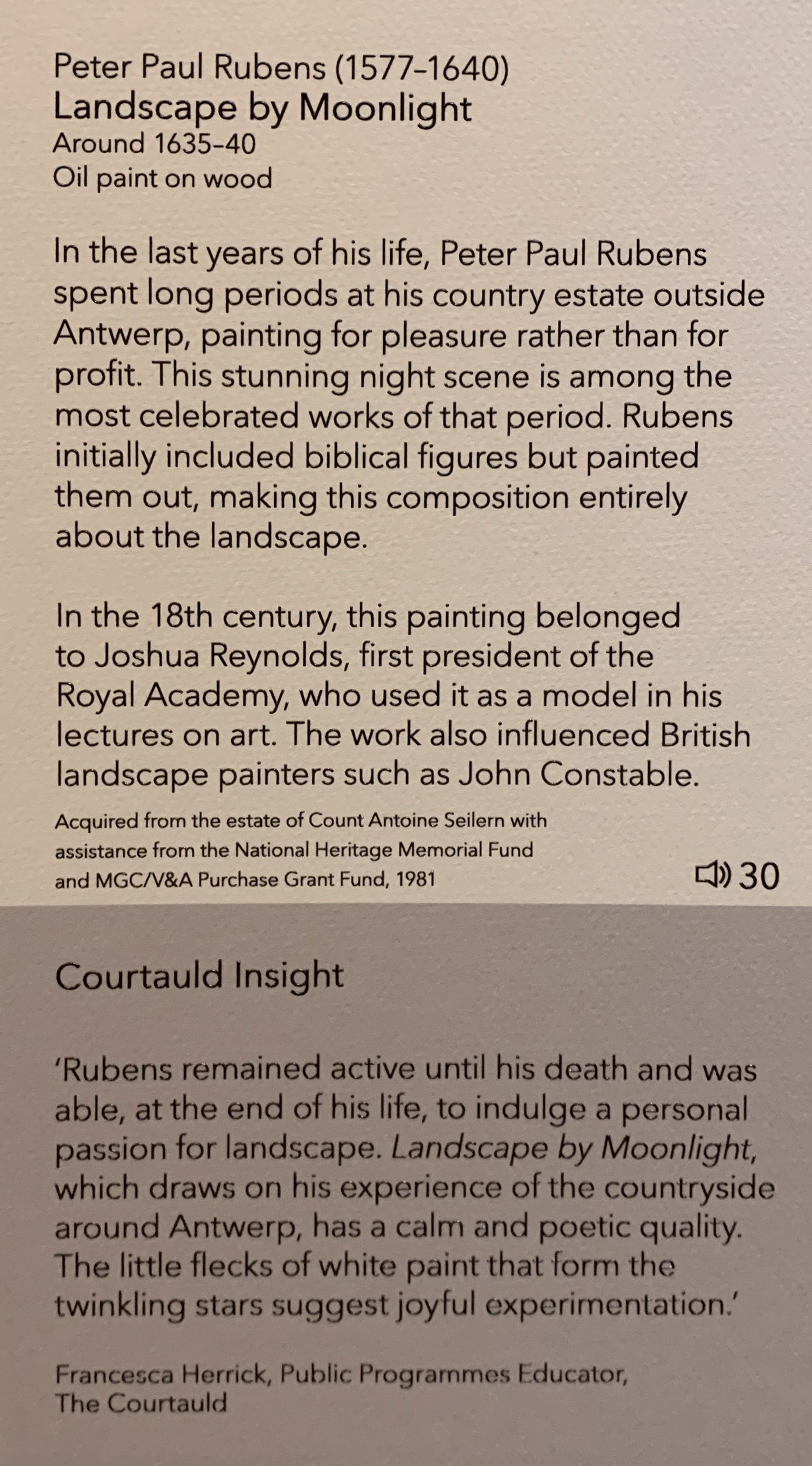
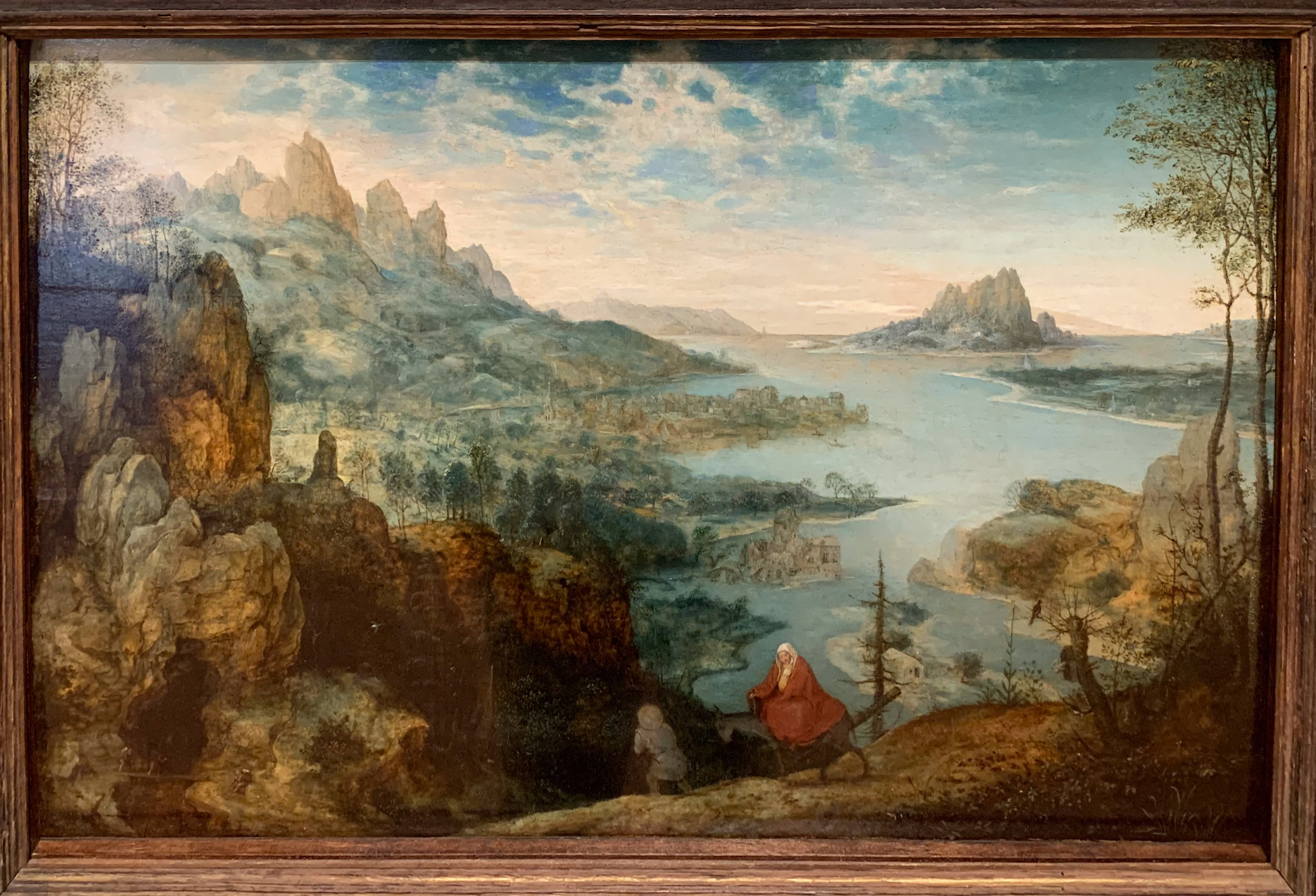
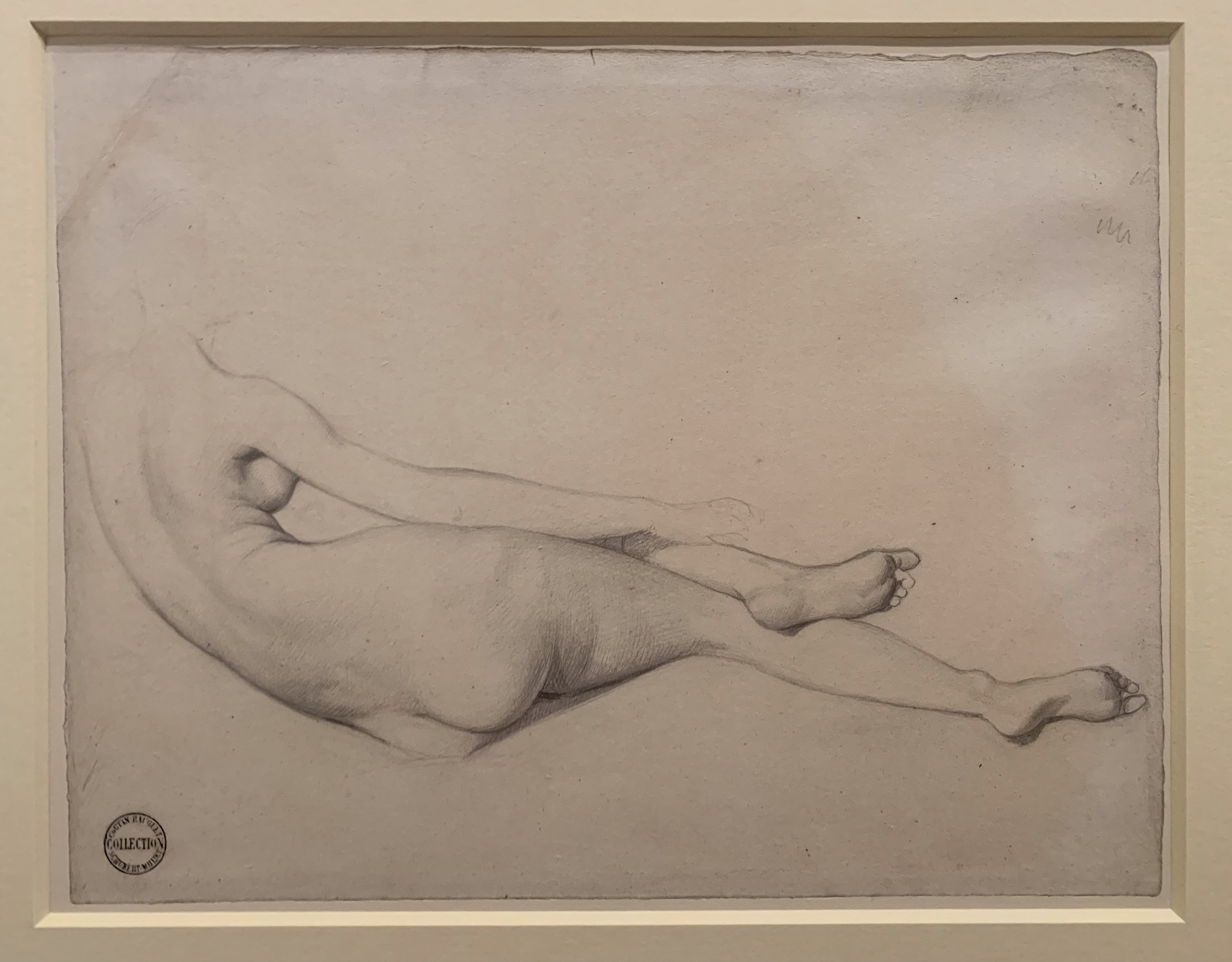
Last but not least, in an ancillary drawings gallery on the first floor, I discovered this exquisite sketch made by Ingres as a study in advance of yet another iconic painting:
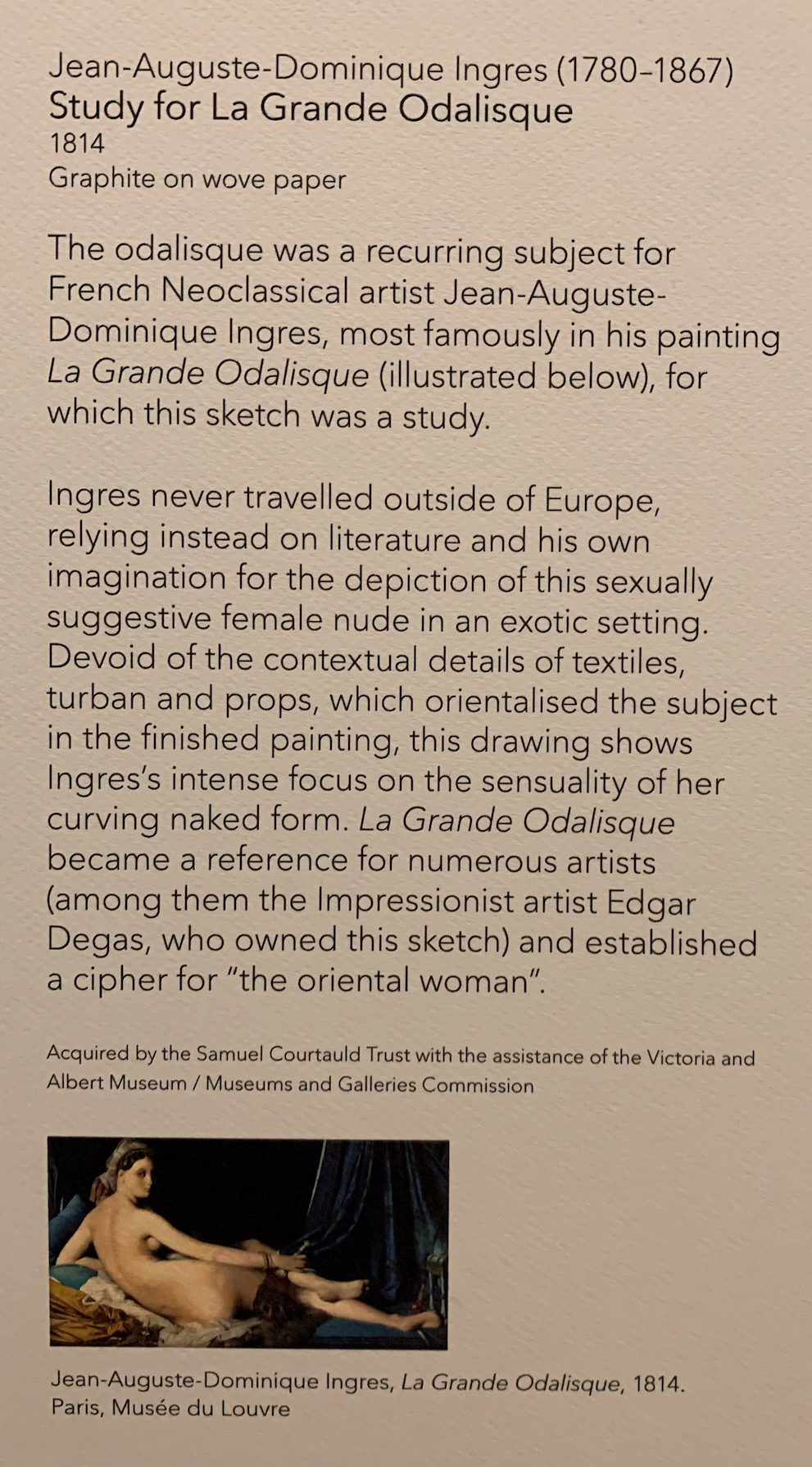
I hope you’ve enjoyed this virtual tour of highlights from The Courtauld Gallery. When in London, do not miss this treasure of a small but highly memorable museum. My visit to the Courtauld was certainly one of the most surprising and uplifting experiences of my recent trip to England.
* * *

Daniel Ambrosi is recognized as one of the founding creators of the emerging AI art movement and is noted for the nuanced balance he achieves in human-AI hybrid art. Based near Silicon Valley in Half Moon Bay, California, Ambrosi has been exploring novel methods of visual presentation for over 40 years since entering the Program of Computer Graphics at Cornell University where he earned a Bachelor of Architecture degree and a Masters in 3D Graphics. In 2011, Ambrosi devised a unique form of computational photography that generates exceptionally immersive landscape images. Since 2016, Ambrosi's "Dreamscapes" build upon his previous experiments by adding a powerful new graphics tool to his artistic workflow: an enhanced version of