
Amsterdam’s Rijksmuseum, site of the 2023 blockbuster Vermeer show, is world famous. But how many art lovers have heard of “the other Rijksmuseum,” Rijksmuseum Twenthe?
Based in Enschede, a lovely medieval town about two and a half hours from Amsterdam by train, Rijksmuseum Twenthe is the largest museum in the eastern Netherlands. If the building looks at first glance more like a turn-of-the-century mansion than a museum—well, it is. Enschede is historically a major site of textile production, so it is perhaps not surprising that the founder of the museum, Jan Bernard Van Heek, was a textile baron.
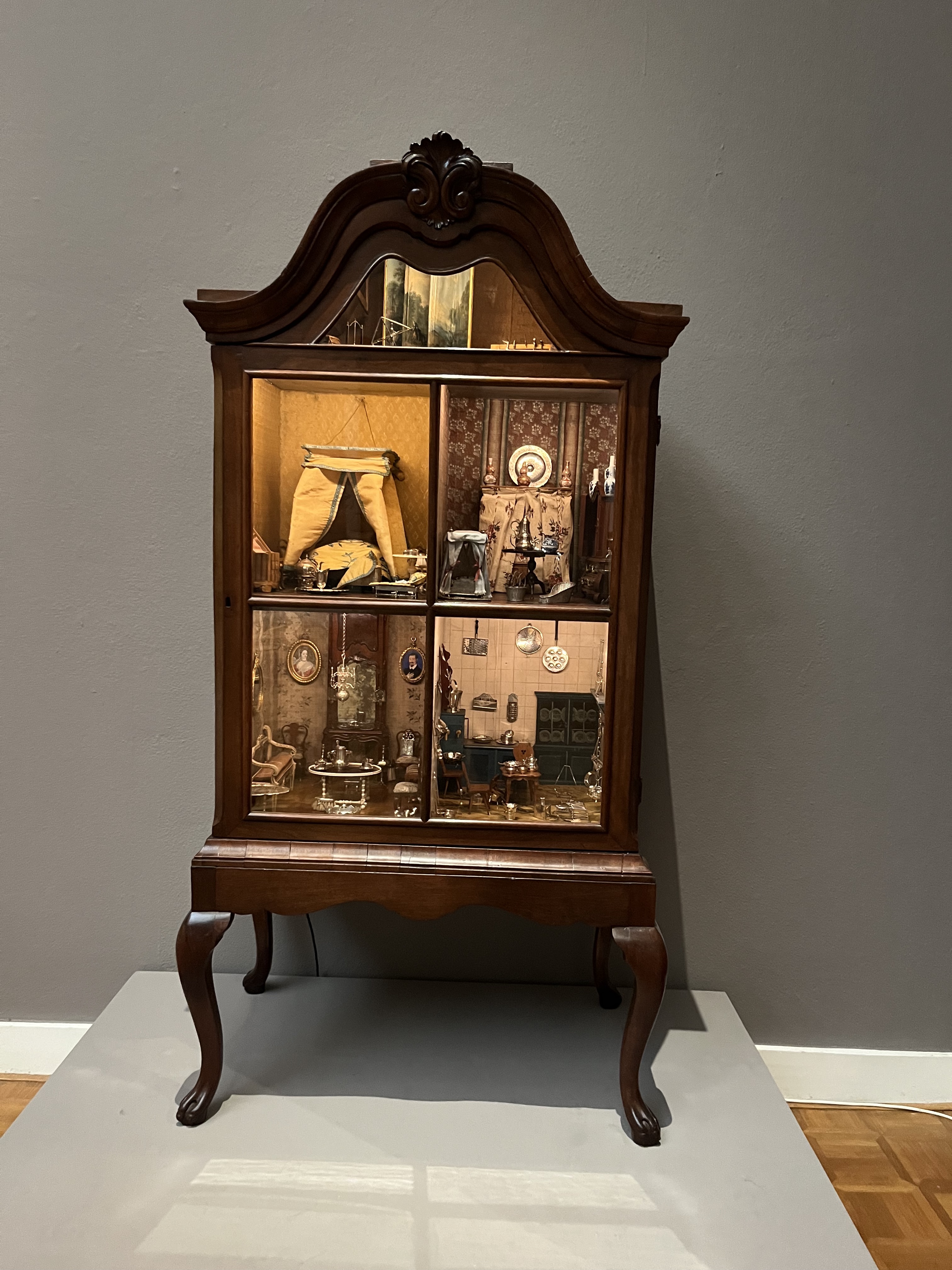
The museum’s collection comprises artworks—mostly paintings, mostly Western—from the Middle Ages to the nineteenth century. Its source is the founder’s private collection of some 140 works. According to the curator Nelleke de Vries’ museum overview for Codart, Rijksmuseum Twenthe now holds nearly 10,000 objects: paintings, sculptures, drawings, prints, ceramics, glass, silver, kinetic and other installations, and videos. To this list I add the museum’s eighteenth-century dollhouse, with which I was quite taken.
My family made the pilgrimage to Rijksmuseum Twenthe to see an exhibition of Renaissance paintings; most were by the Italian noblewoman Sofonisba Anguissola but a few were by her sisters. It was well worth the trip just to see Sofonisba Anguissola: Portraitist of the Renaissance (for details about the show, read this review). But as it turned out, Rijksmuseum Twenthe had even more to offer.
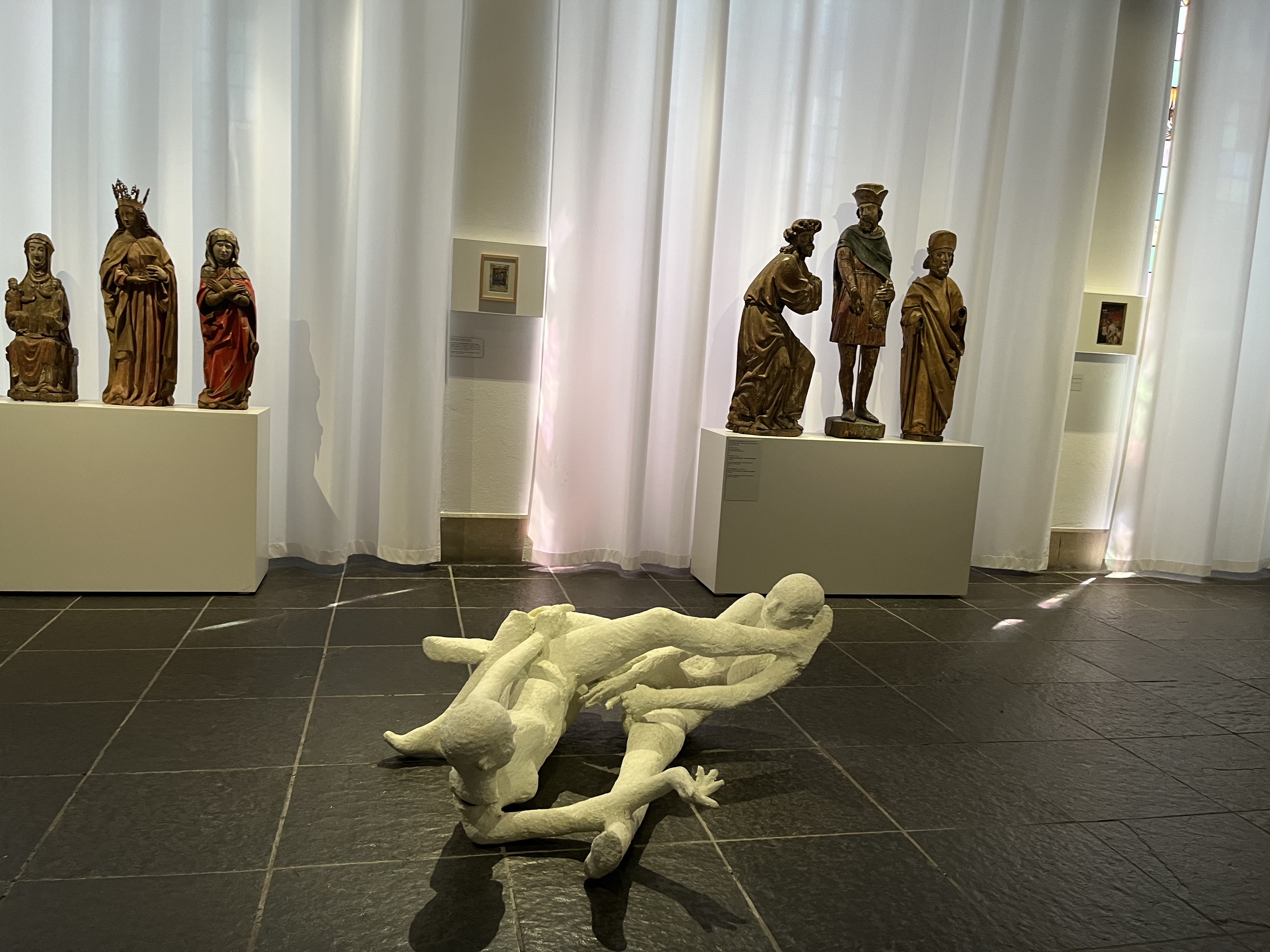
In addition to the large room that hosted the Sofonisba exhibition, the museum offers several dozen small galleries that house the permanent collection and temporary exhibits. I was struck by the juxtapositions—of sizes, of mediums, and of time periods—in these galleries. One gallery displays polychrome wood figures from fifteenth-century Germany in a room where a pure-white contemporary abstract sculpture sits on the floor.
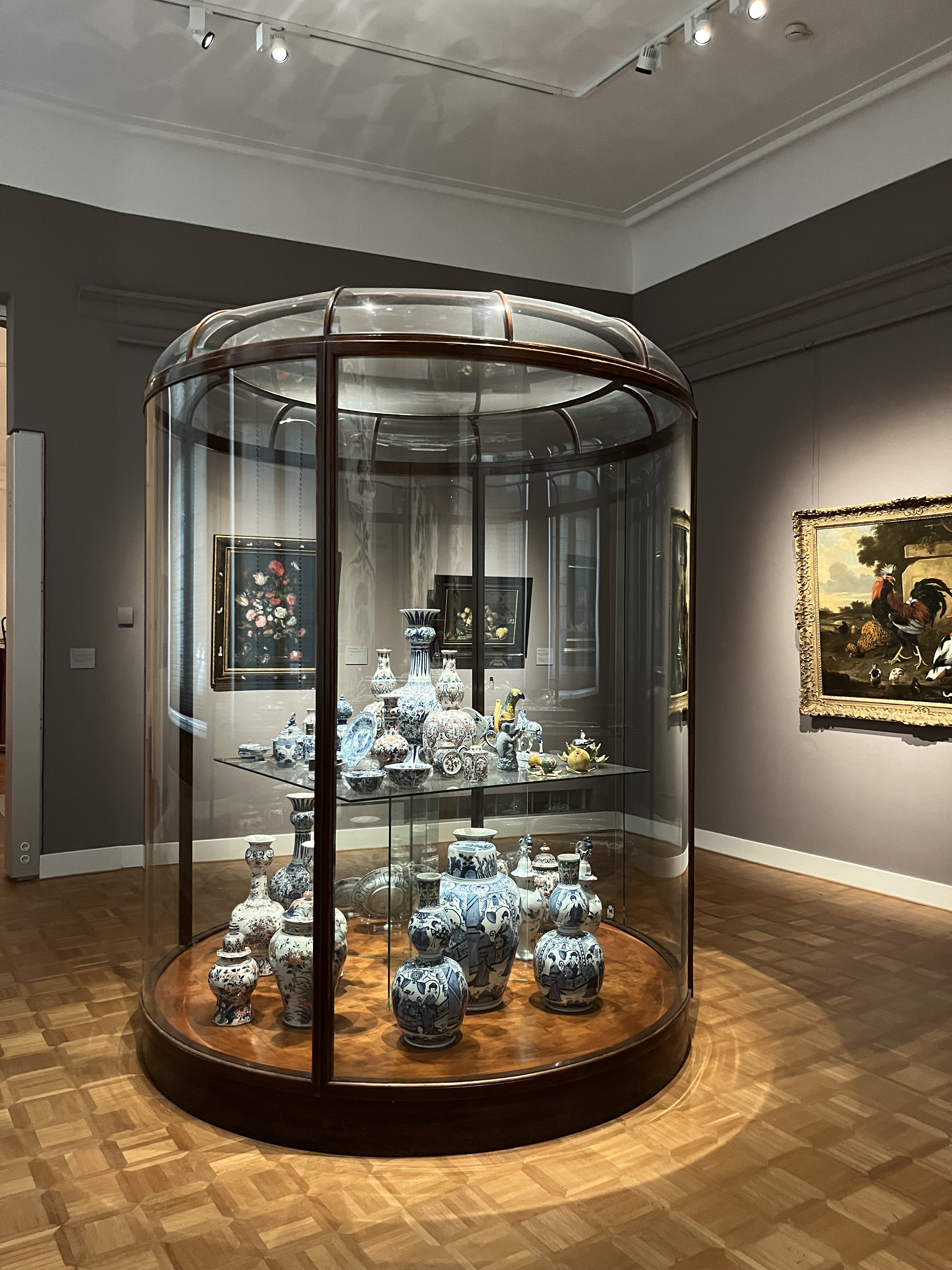
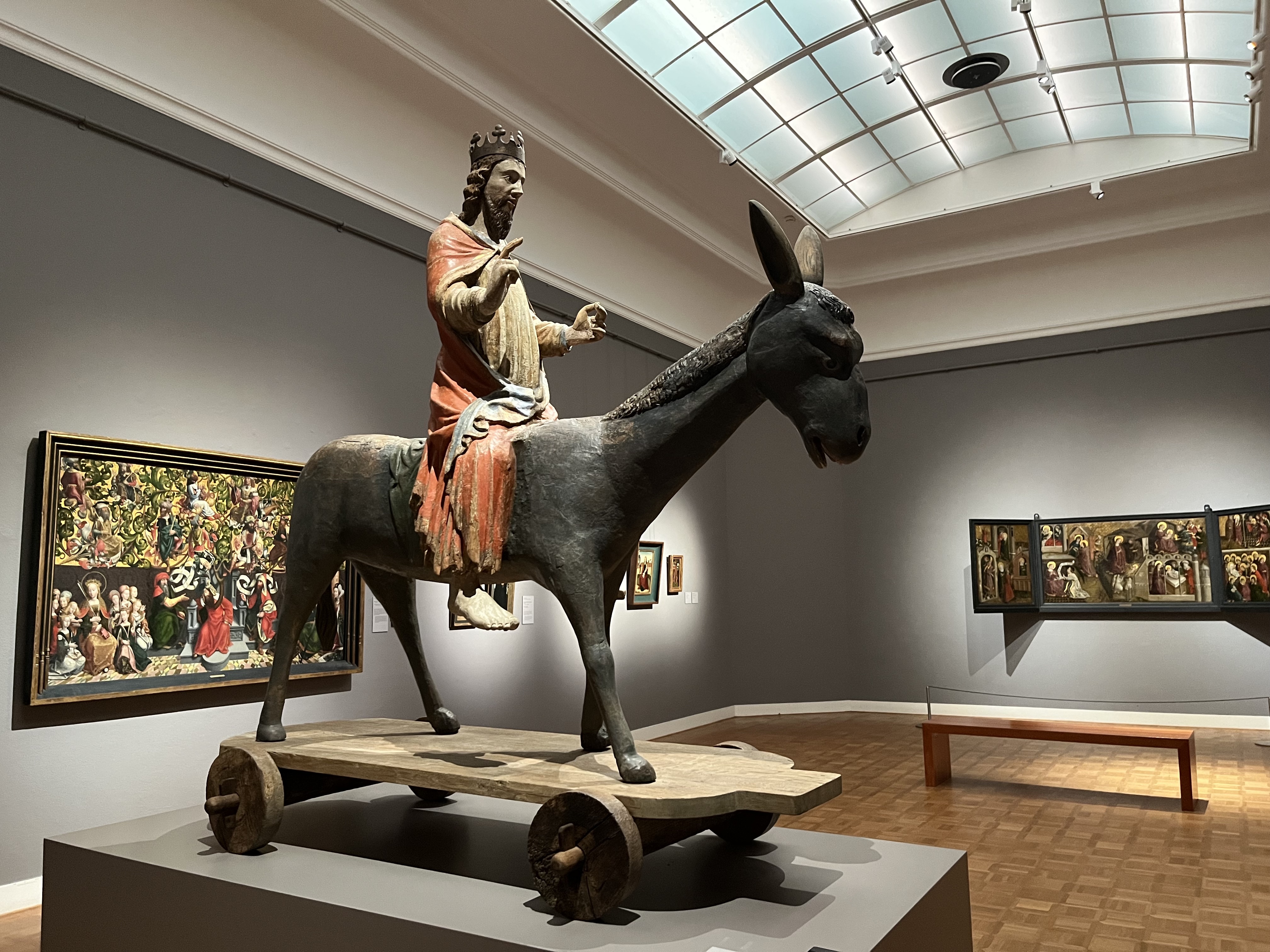
In other galleries, floor displays of ceramics or metalwork complement paintings and drawings on the walls. Of particular note is a life-size carving of Christ sitting on a donkey. The entire sculpture sits on a wheeled wooden platform, which suggests it was in the past a feature of Palm Sunday processions. In another gallery, also of note but at the other end of the size spectrum, is The Quack, a Rembrandt etching with dimensions of approximately 3” high by 2” wide!
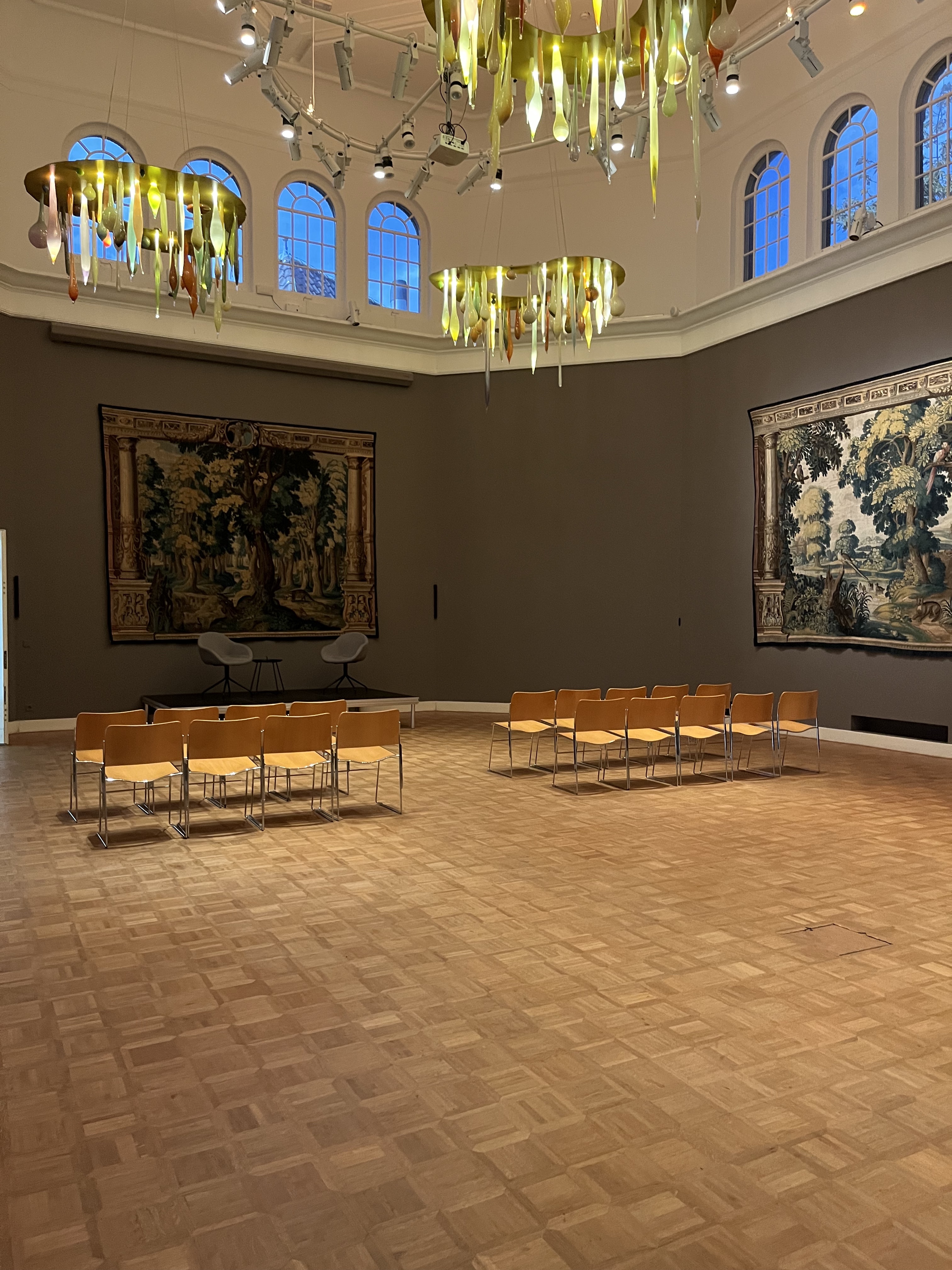
The Gobelin room is hung with six seventeenth-century tapestries, once owned by Queen Emma, and with more modern, but still regal, chandeliers made by glass artist Bernard Heesen. This room can be reserved for weddings, lectures, dinners, receptions, or other events.
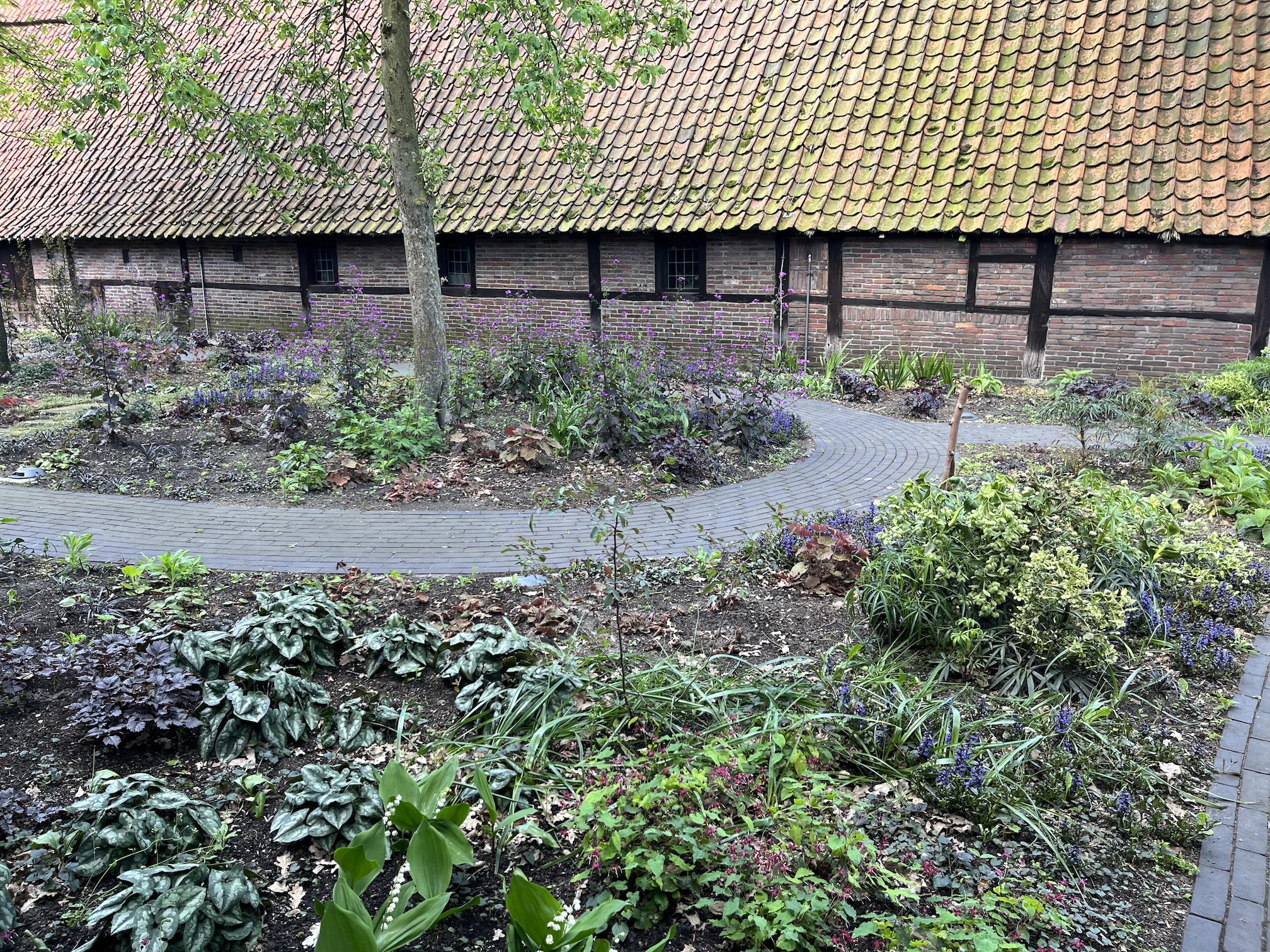
Just before departing, we came across the doorway to the Sottobosco Garden, a shade garden designed by visual artist and photographer Elspeth Diederix. Inspired by the seventeenth-century woodland still life paintings from the collection, Diederix created a contrast between the brightly colored flowers and the dark surroundings. On our visit, this quiet place was graced with the presence of a local cat; one had the sense that s/he wasn’t a stranger to the premises. The garden abuts an abandoned old Dutch farmhouse, which is apparently being renovated as a restaurant and/or bar. I am glad that we didn’t inadvertently overlook this garden, which was a highlight of our visit.
While the museum building itself has more than one story, only the ground floor appears to be open to the public. With a platform lift at the entrance and two wheelchairs available to borrow, Rijksmuseum Twenthe is accessible for people with reduced mobility. Just outside the café is another garden, this one in a courtyard, that features native plants and a small lily pond. Here visitors can consume food and beverages, or just walk around.
Other amenities include free audio tours in a variety of languages; restrooms; a free cloakroom; a small souvenir shop; and a café in which there is also workshop space. Much of the website is in Dutch only, but there is a “practical information” page in English here.
* * *
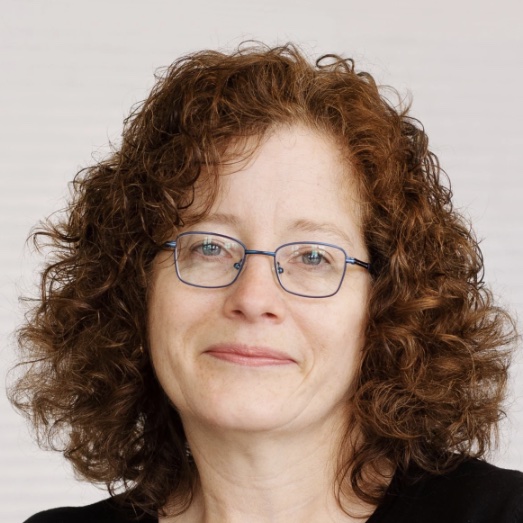
Based in Vermont, Erika Gaffney is an acquisitions editor with Amsterdam University Press and Lund Humphries. She is also the founder of Art Herstory, a project that supports the movement to recover the lives and works of women artists throughout history.