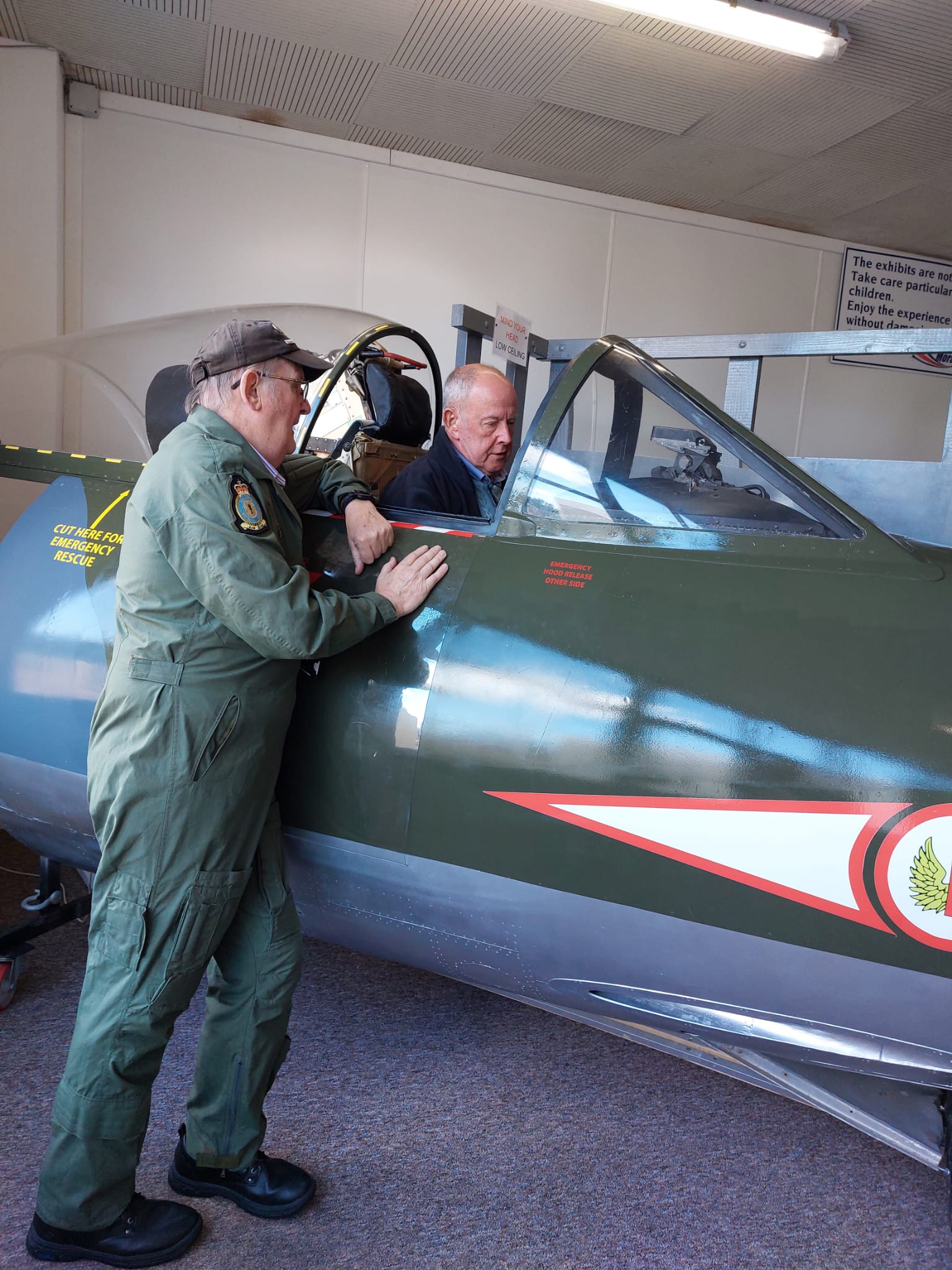

I thought this was just an aviation museum at Kinloss in the Northeast of Scotland – my mistake it is so much more!
I have been aware of it for a few years but never really had the chance to visit, however on this trip to my homeland my sister took me along. To understand the museum, I feel it is important to have some background as to how it all started.
Morayvia was originally set up to preserve the last Nimrod Aircraft at RAF Kinloss (XV244) which they achieved – more on that later. Having achieved their first aim they became bolder and set up their Science and Technology Experience Project which is designed to bring together aerospace, astronomy and technology on one visitor experience. So, we have planes, we have helicopters, we have airfield fire engines, and we have flight simulators. What about the astronomy I hear you say?
Well, there is a whole area dedicated to astronomy with a planetarium – However I won’t be able to tell you about it as I ran out of time. Beware you could spend hours at this museum.
The museum has limited opening 11am – 5pm on Thursdays, Saturdays and Sundays during July and August so you need to plan your visit ahead. There is good reason for the limited opening and that is because of another thing that makes this museum different and that is the volunteer staff. The ones you meet in aviation uniforms are all ex-RAF. I met pilots, navigators, and even a helicopter winchman during my visit.
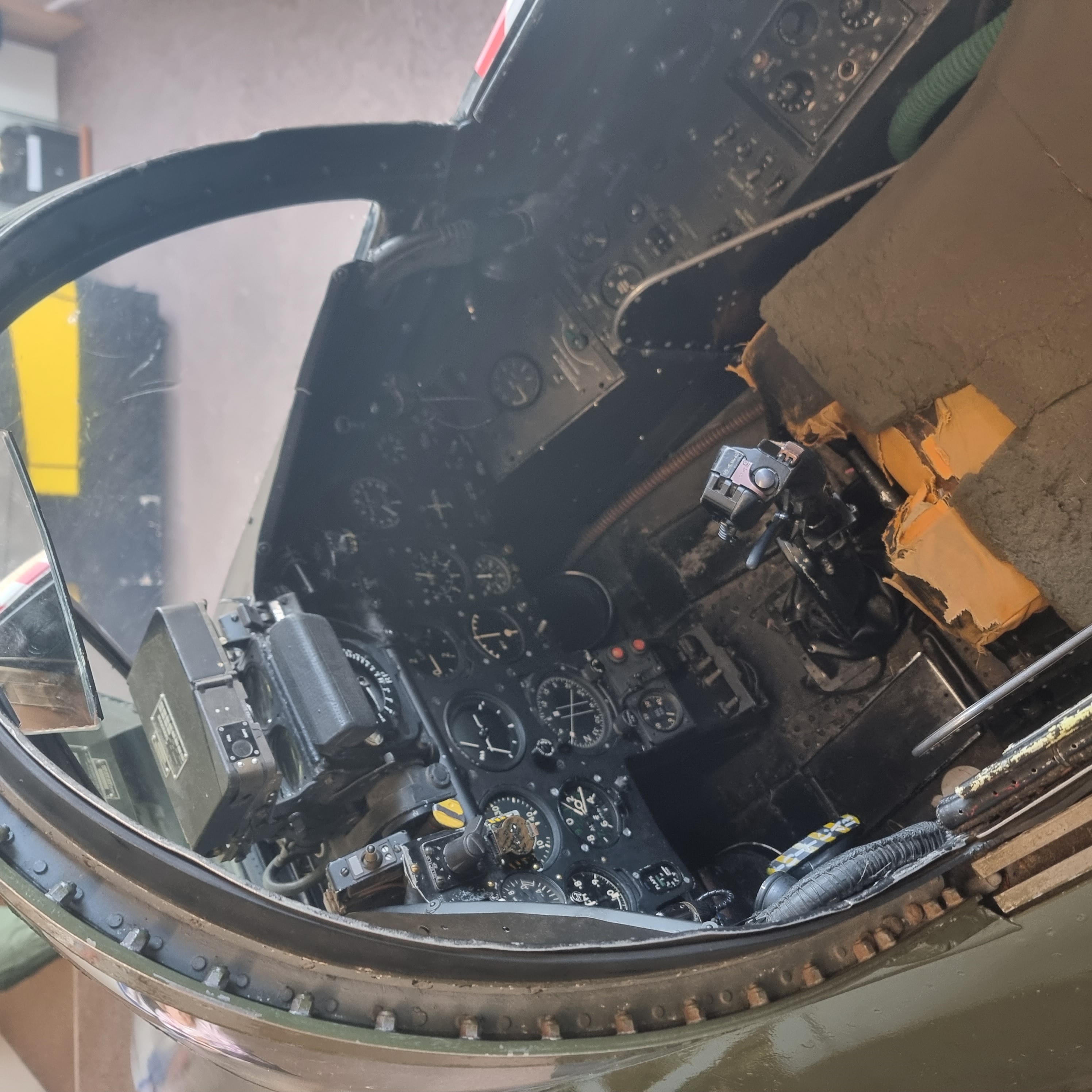
My first stop was to sit in the cockpit of Hawker Hunter which is an amazingly small space filled with a myriad of switches and gauges. The volunteer guide chatting to me had flown these planes and gave me much insight to what it was like. My basic impression is you are perched in a cramped space at the front of what is a massive engine and fuel tank – I reckon these guys were amazingly brave.
Next it was on to chat to another pilot who was in front of a display of model aircraft that have been used by the RAF display team The Red Arrows. I am sure you can guess – yes, he had been a member of the team and had some amazing stories to tell. I won’t spoil it by recounting them here but be sure to ask about the teams’ trip back from Iceland – it ended well but only just!
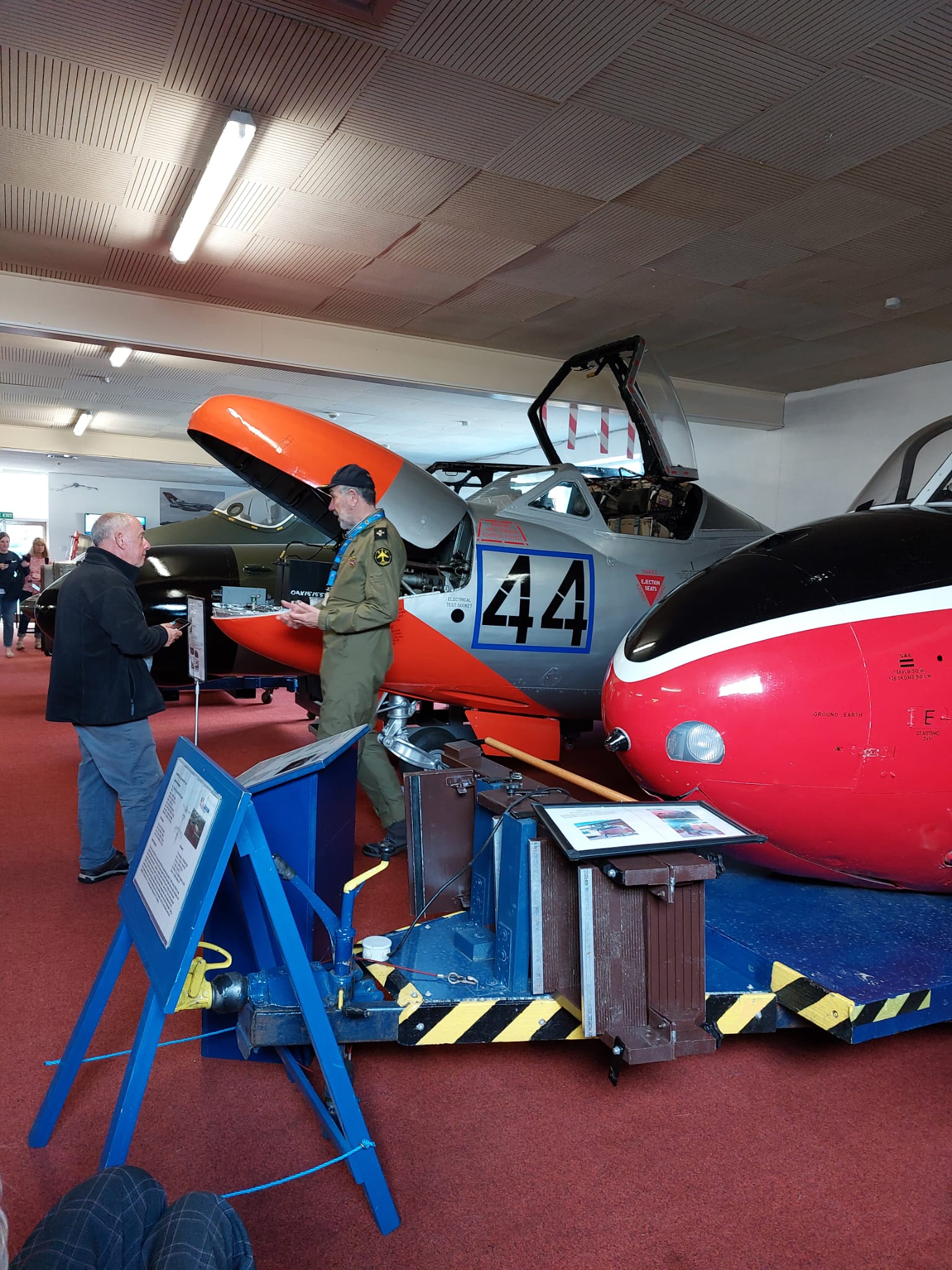
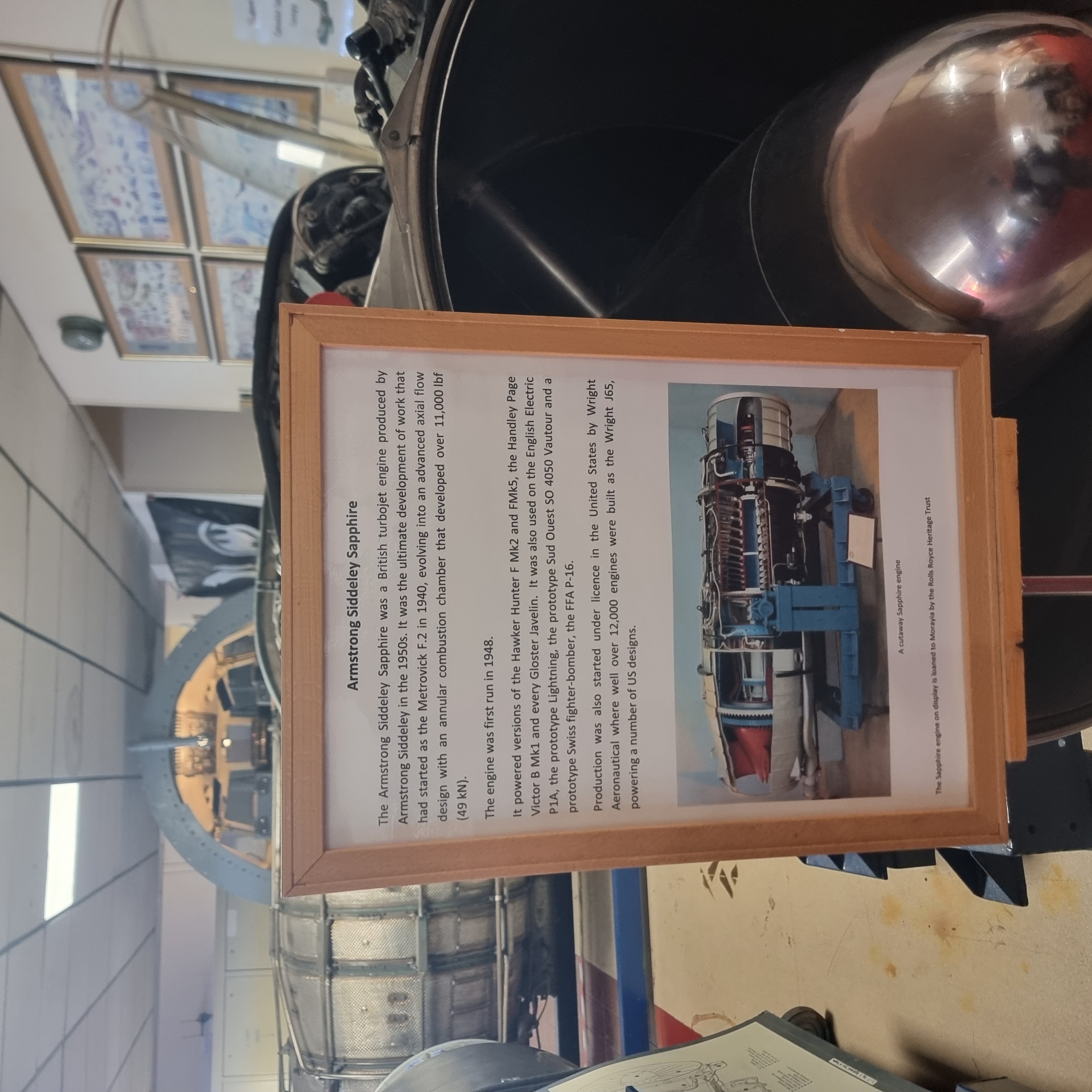
The next room was full of flight simulators, rescue equipment and lots to keep children interested. Then it was on to a large room full of jet engines from various planes, a replica F35 cockpit that was used in filming Terminator: Dark Fate plus several other cockpits that you can get up close to or climb into. I spent time talking to another pilot volunteer about the DH Vampire and how the skin of many of these old planes was wood!
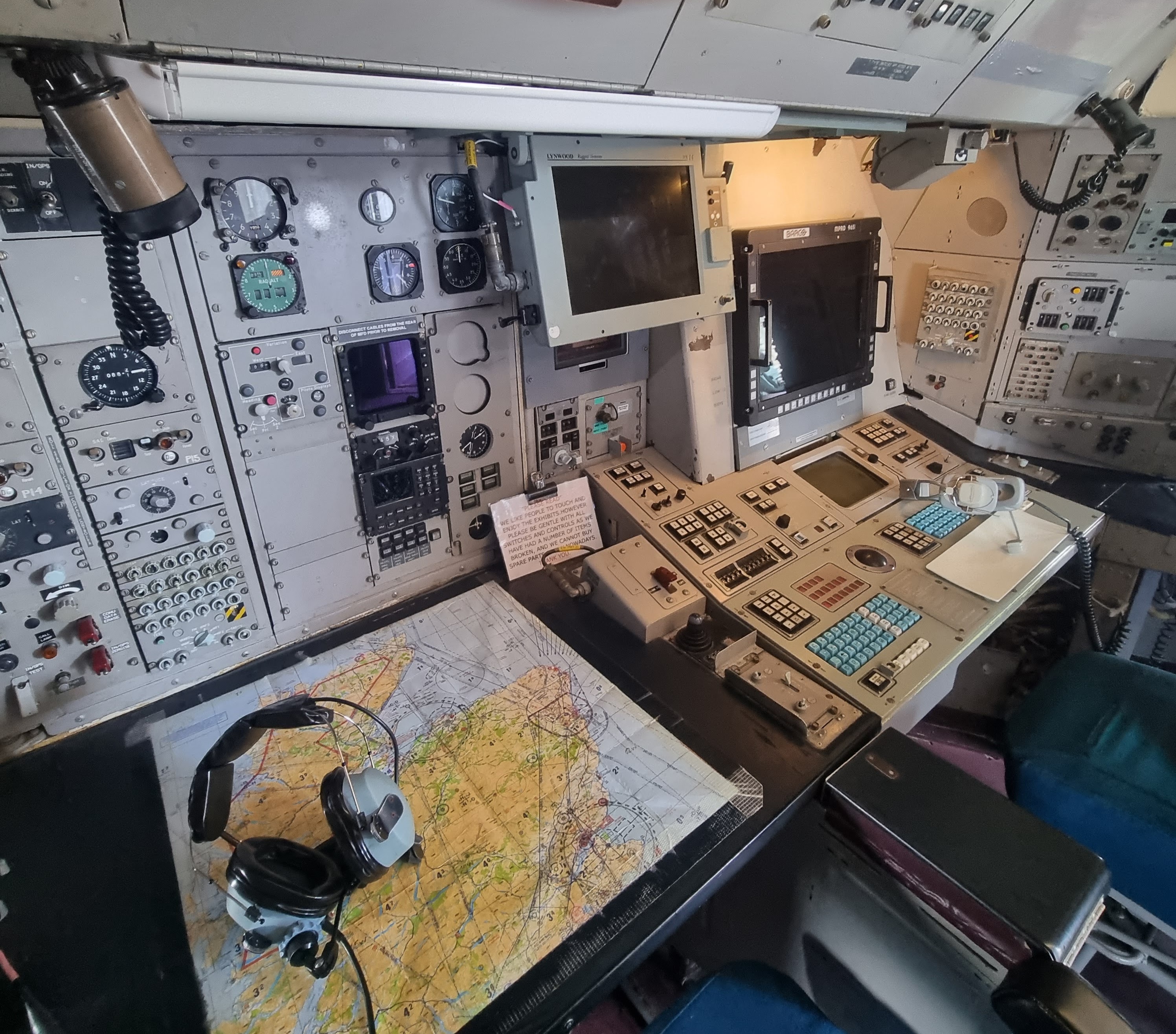
Outside you can find several RAF Air Sea Rescue helicopters where I exchanged stories with a former winchman. I have witnessed the skill of these RAF pilots and winchmen firsthand when attending accidents as a doctor in North Yorkshire. Here you can also find the Nimrod that started this whole venture – it is the front third of the aircraft so you can get in and view the cockpit and then move back into the electronic nerve centre where they tracked submarines with the use of sonobuoys and what sounds really clever – the magnetic anomaly detector.
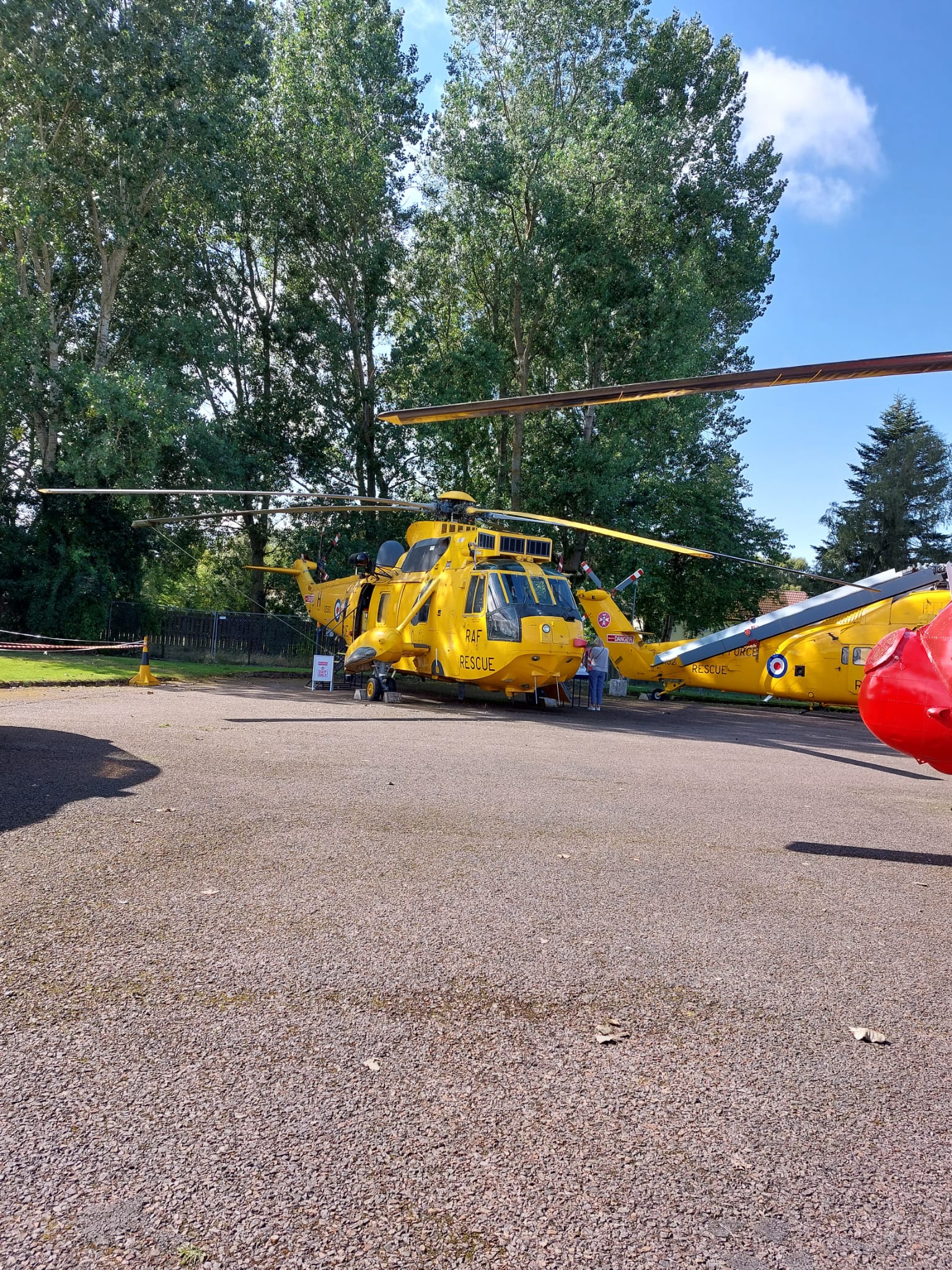
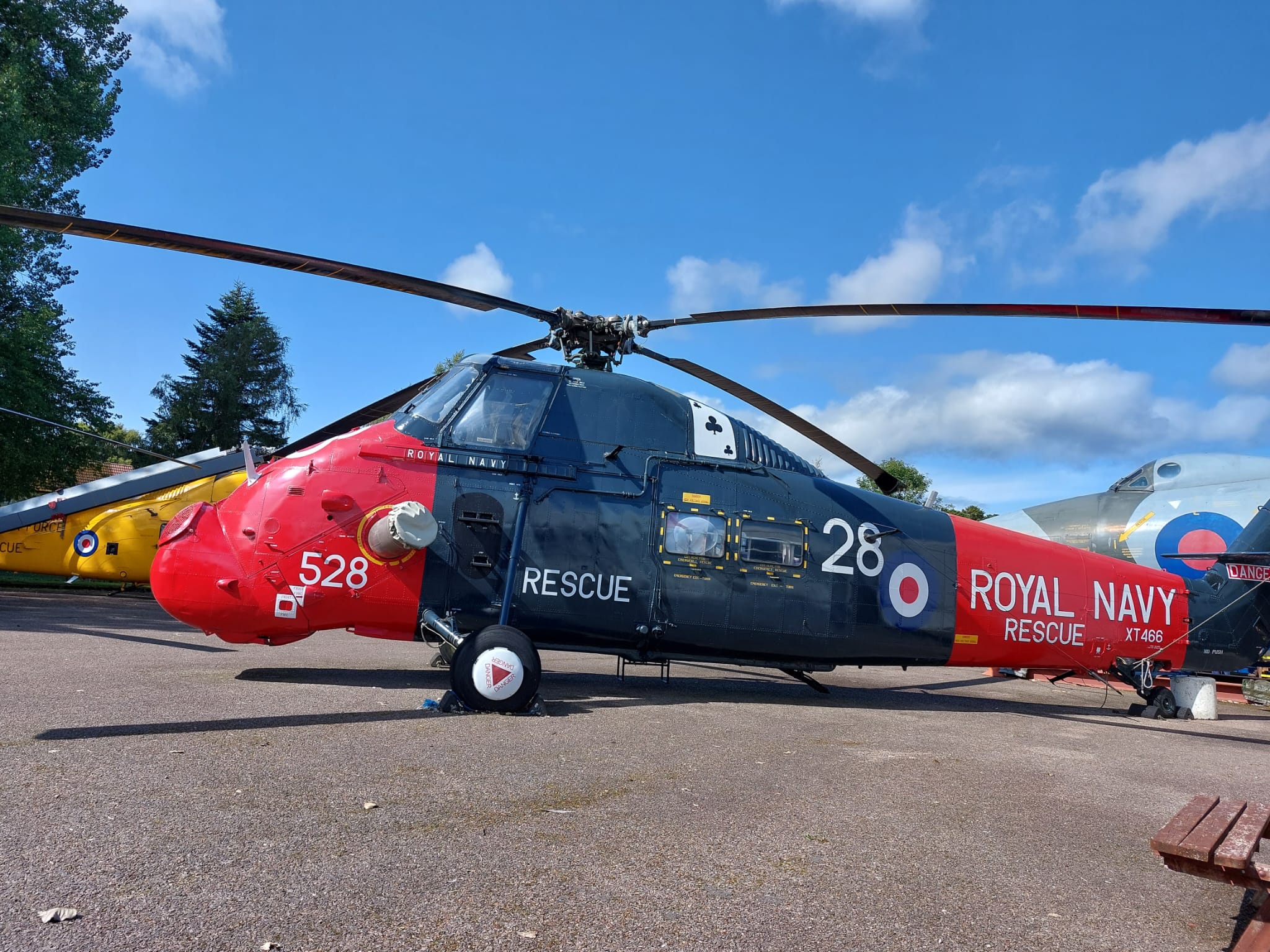
To round things off there are a series of fire trucks and some older helicopters such as the Westland Dragonfly helicopter.
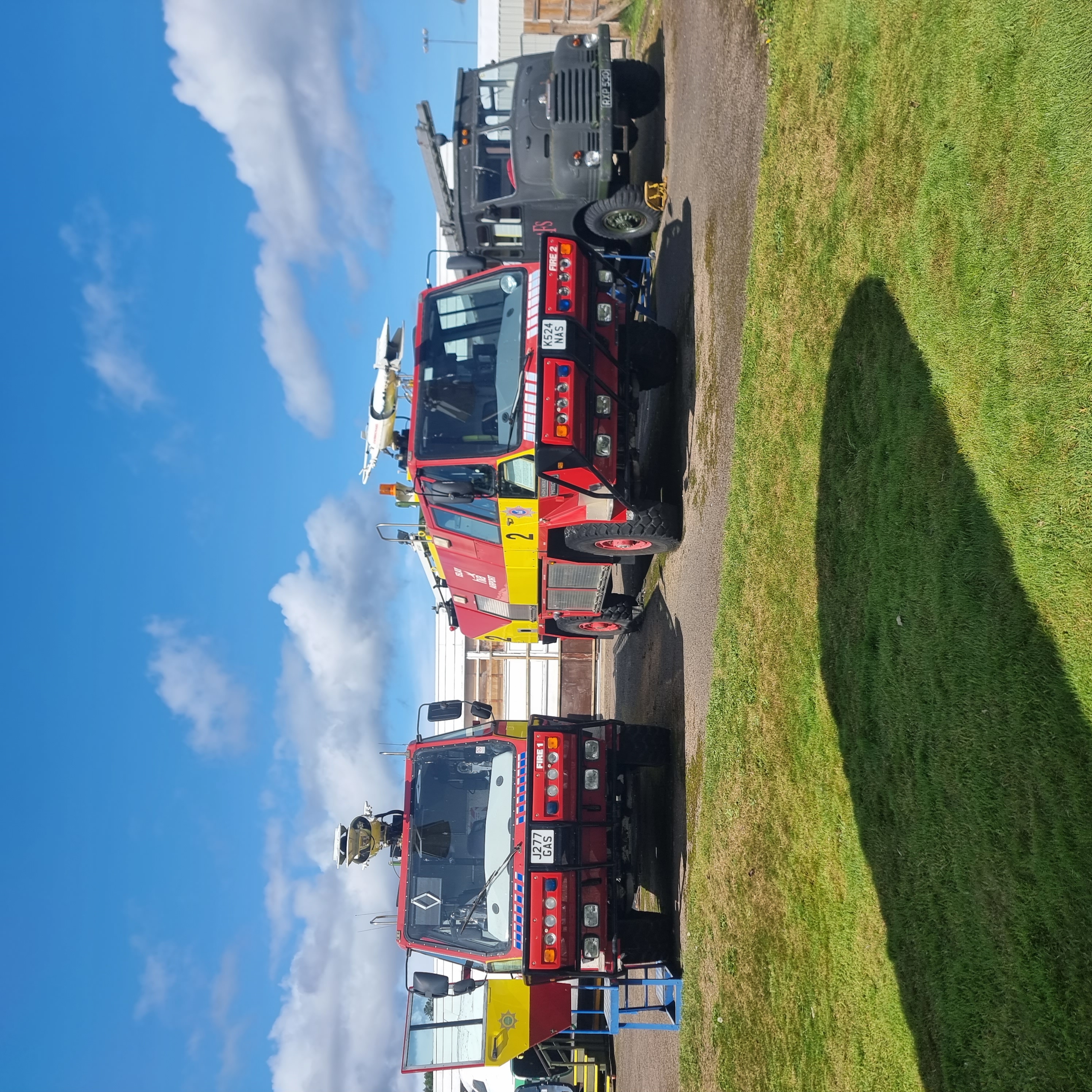
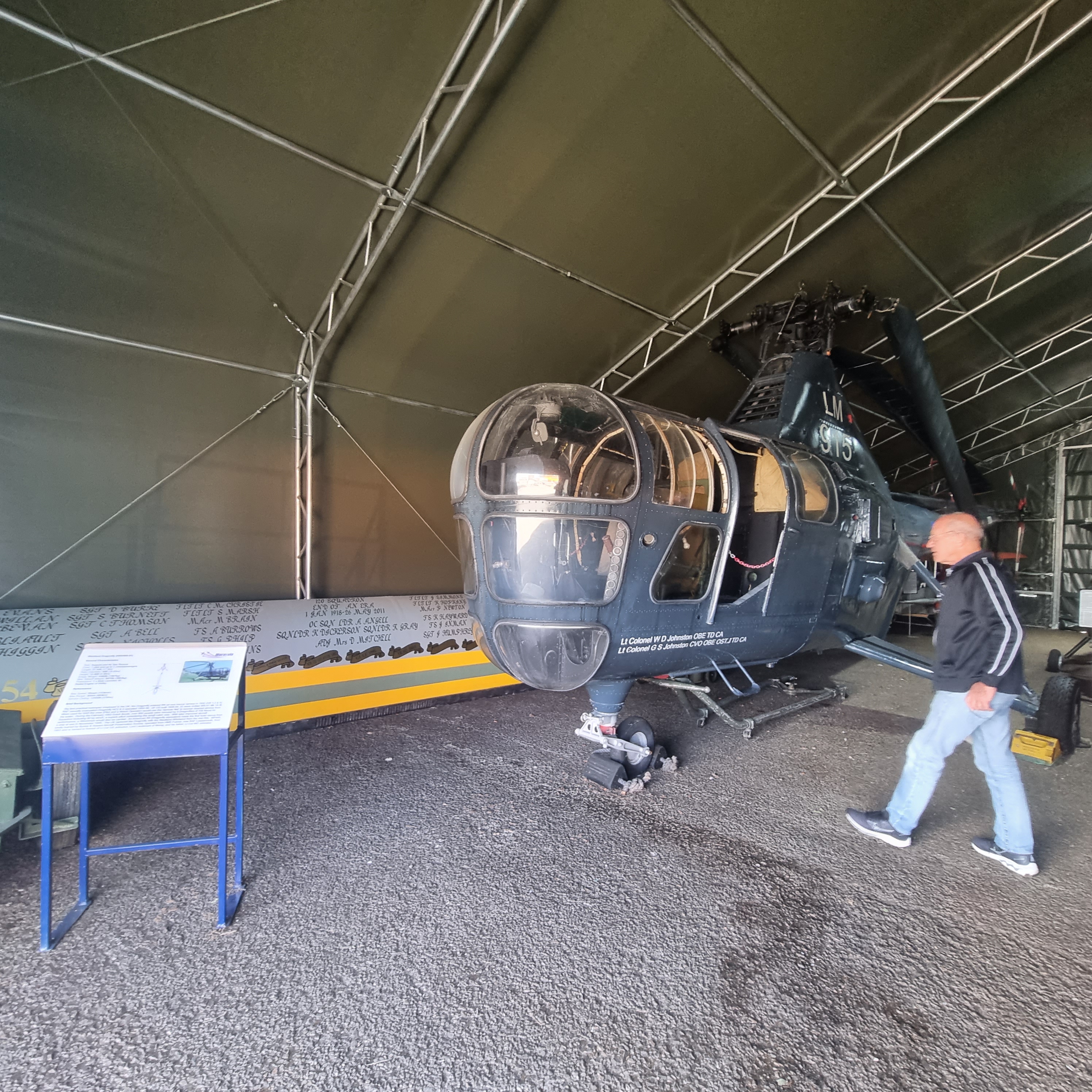
There is so much to see that I recommend ensuring you have several hours available. It is a great museum to visit and those involved are brilliant at telling you stories or more details about the exhibits. I loved every moment and have no doubt I will return to spend more time there.
* * *

Dr Jackson is an anaesthetist who has served as President of The British Association of Day Surgery and the International Association of Ambulatory Surgery. His interests include the use of IT in medicine, and he spent his later years supporting the development and safe implementation of IT across several hospitals. He is now retired and spends his time as a trustee of a local hospital charity, creating websites for various charities, cycling and travelling.