
As I secured my ticket to the Ford Piquette Avenue Plant Museum, I chatted with the receptionist. When I mentioned that I’d lived in Michigan my whole life, and had only heard of it recently, she responded, “Yes, we’re one of Michigan’s best-kept secrets.”
The Ford Piquette Avenue Plant Museum is in one of the world’s oldest surviving automotive plants. It was the first factory Henry Ford built and owned, where he and his team invented the Model T. This car holds historic significance as the vehicle that put the world on wheels and was the world’s first vehicle affordable to the masses.
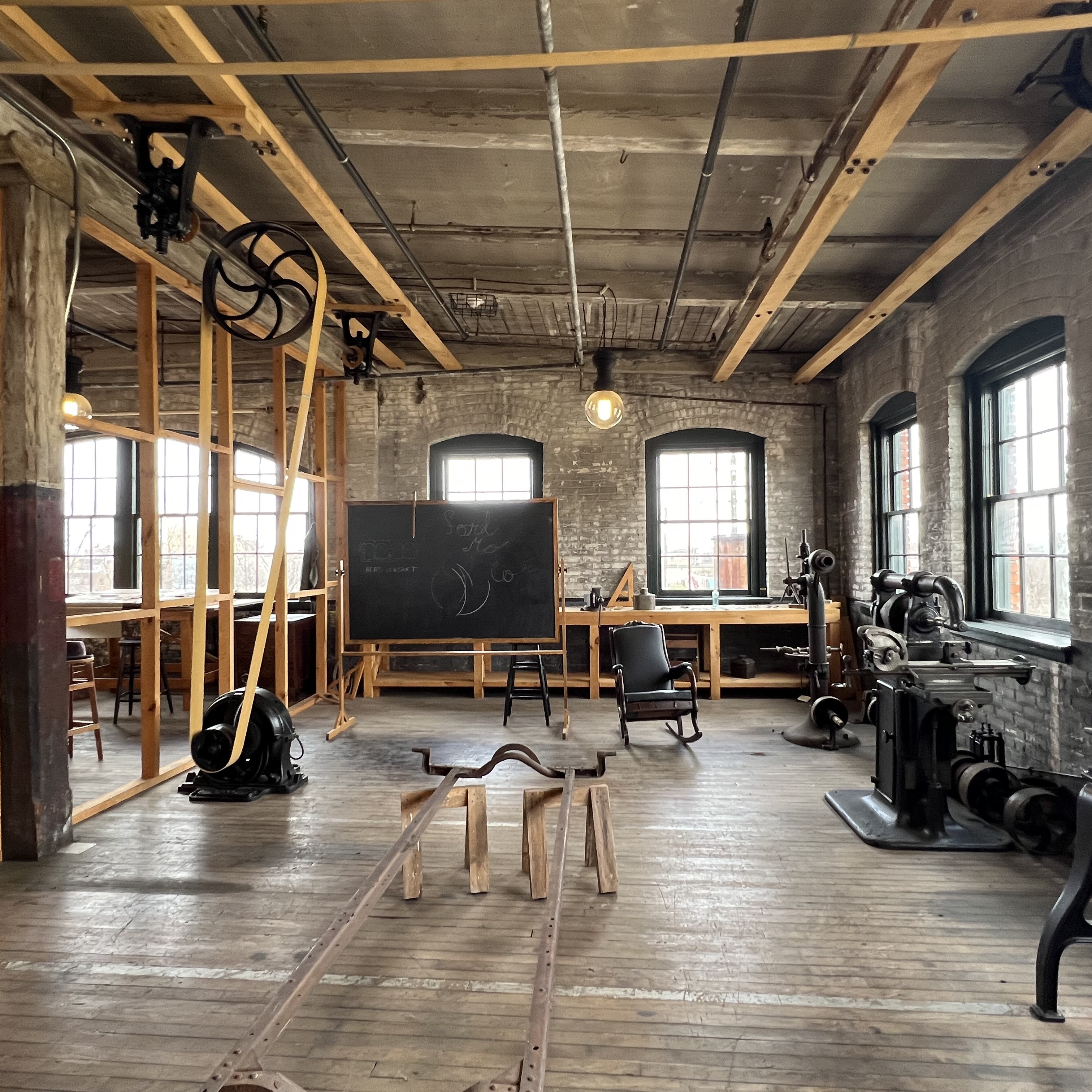
As the author of “Secret Michigan: A Guide to the Weird, Wonderful, and Obscure,” I was excited to discover the museum’s secrets. And I did! I found Ford’s secret experimental room. But before I uncover more about Ford’s hidden room, let me tell you about the building.
Architects Field, Hinchman & Smith designed the three-story, Victorian-style brick building after a textile mill. The state-of-the-art automobile factory stood 56 feet wide and 402 feet long. It featured over 350 windows, providing light and airflow to the automotive line workers.
The first floor assembled axles and engines, while sub-assembly and machining took place on the second floor. Finally, the third floor housed drafting, chassis assembly, and the secret experimental room. In this obscure room, a small team designed the Model T, which, Henry Ford claimed, was a car “for the great multitude.”
Sixty-five automobiles from Henry Ford’s “Letter Cars” and unique Model T conversion vehicles lined each floor. This collection is the world’s only complete assortment of letter cars, including the Model T and Models A, B, C, F, K, N, R, and S.
The neighborhood in Detroit where the building stands was named Milwaukee Junction during the automotive industry's evolution. The rail shipping lines of the Detroit & Milwaukee and the Chicago and Detroit & Canada Grand Trunk intersected here. The museum includes automobiles from other manufacturers that built cars in Milwaukee Junction.
Yet it was the secret experimental room that piqued my interest. It was here that Ford’s Team created the Model T in 1908. Having worked in the automobile industry for several years, I know that even today, new cars are shrouded in secrecy. The first to market will likely control the market share for years to come.
The museum’s curators had difficulty reconstructing the secret experimental room because it was so secret that there were no pictures of it to use as a basis for the re-creation. The team used interviews to determine what the room most likely looked like. Today, the museum has a replica of the locked workspace where draftsmen and engineers created the Model T, from conception through design to prototype.
Ford partitioned off the northeast corner of the third floor as an 840-square-foot room, securing the door with a padlock when it wasn’t in use. The story goes that you were fired the next day if you approached the door and weren’t part of the seven-man team. What happened in that room remained a secret until early 1908, when the Model T appeared as a working prototype. This car would revolutionize automobile ownership in America.
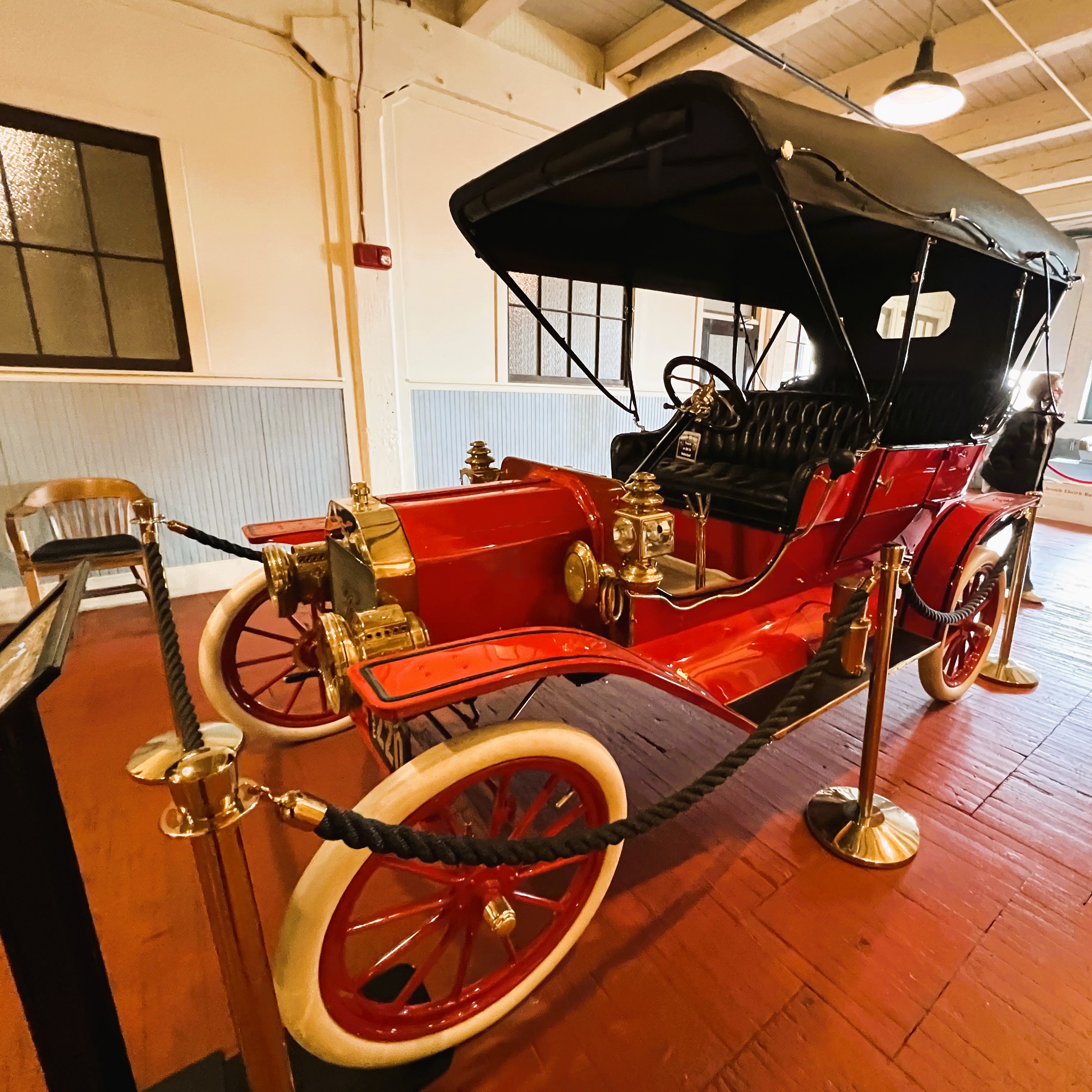
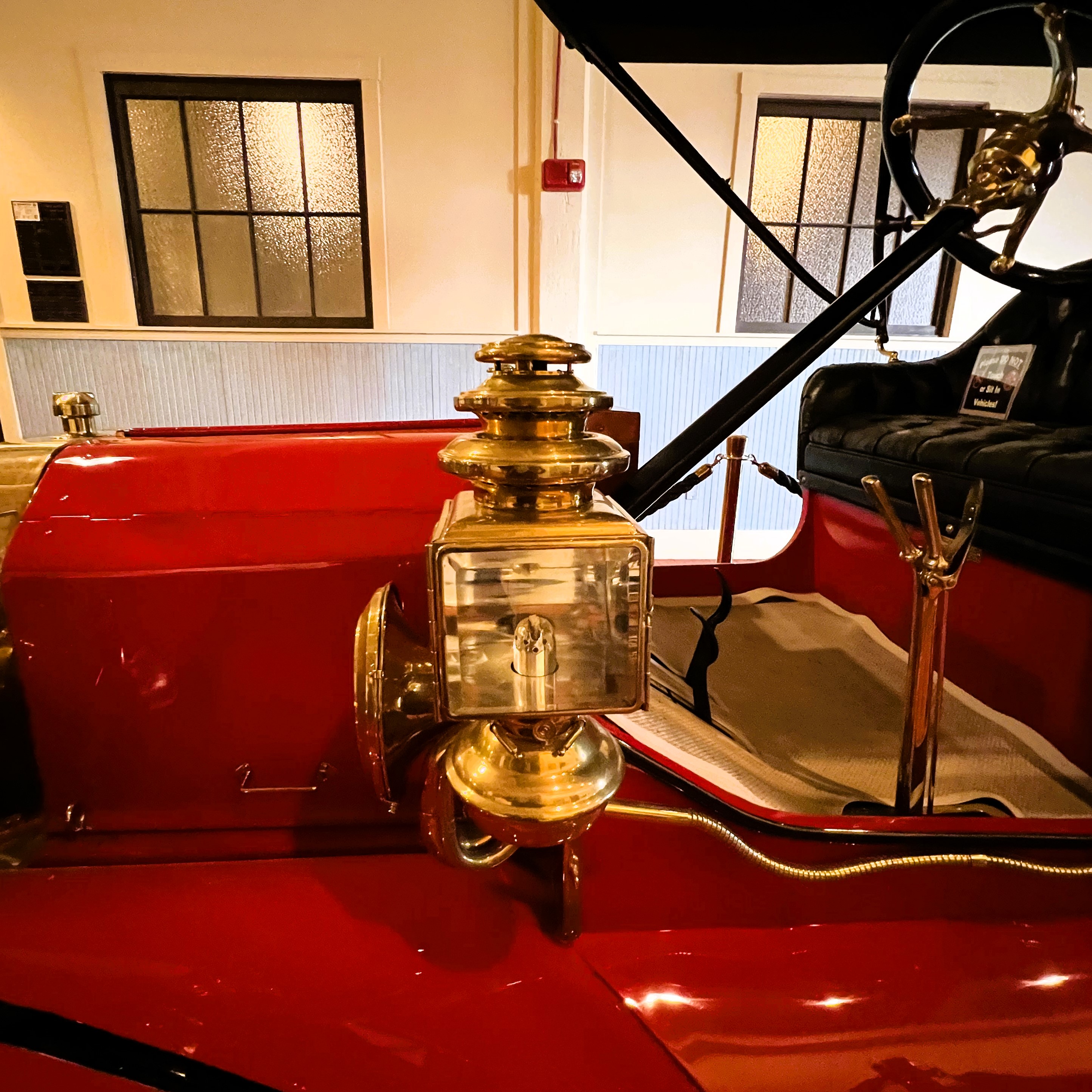
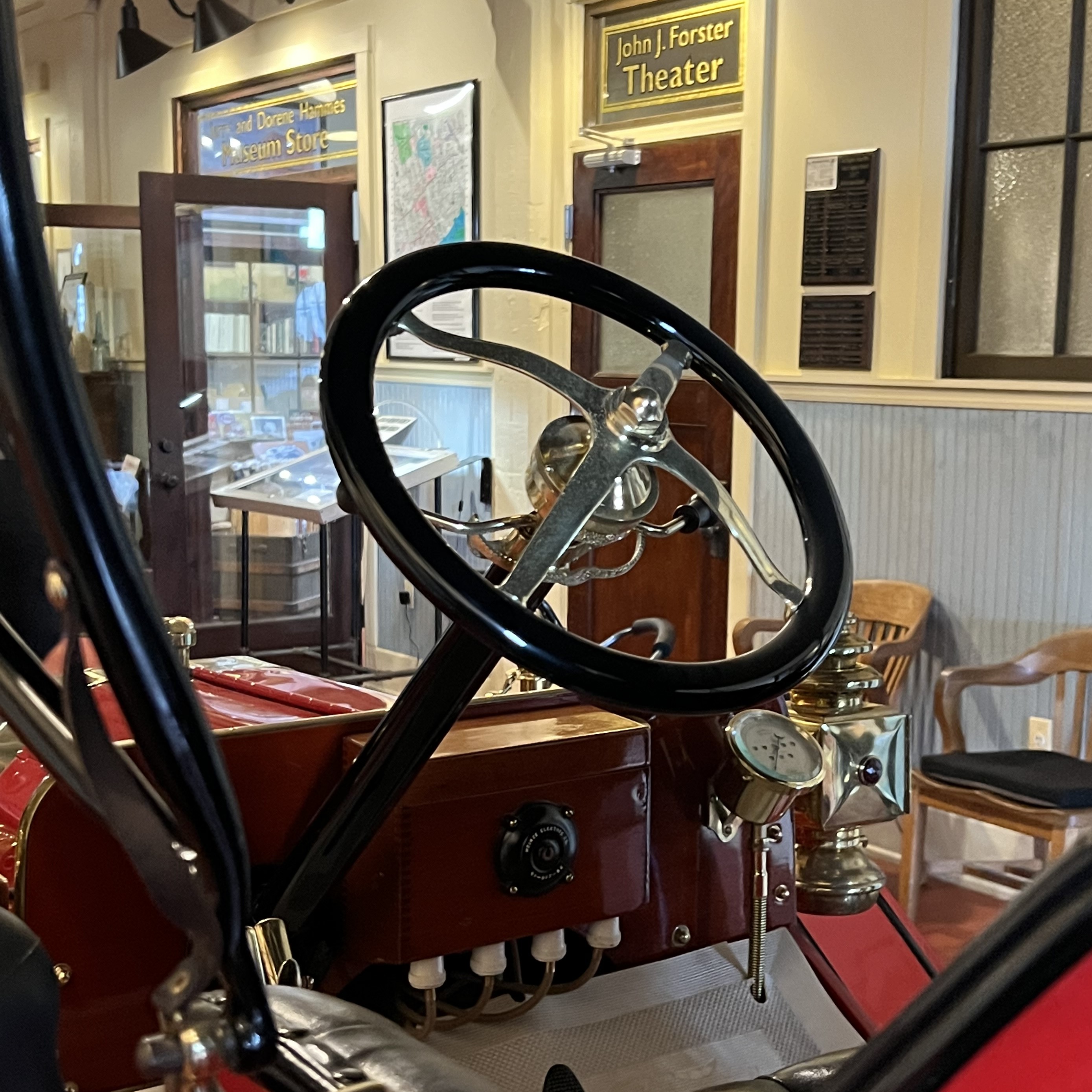
Henry Ford and a team member named Mr. Couzens developed a nationwide network of Ford dealerships at this plant. So, I found the Ford Model T Dealership Exhibit was another fun one, as it was interactive. I could sit in a 1915 Ford Model T Touring Automobile, have my picture taken, and even honk the horn. The exhibit shows the importance of introducing people to a new brand and concept, as many people at the time still used horses and buggies as transportation. The Model T was the first affordable car for the general population.
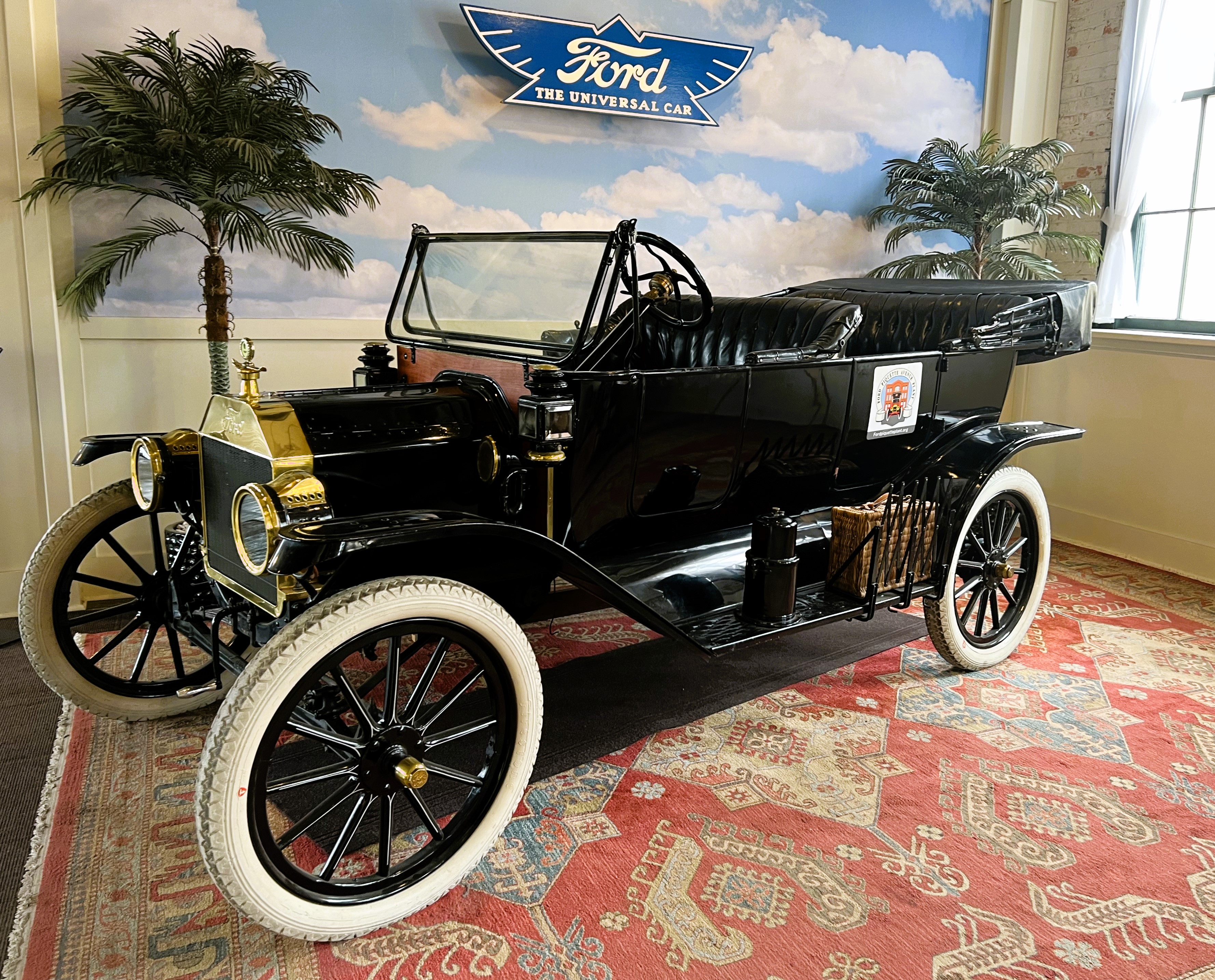
Another interesting part of this display was the palm trees. Since owning an automobile was new to the masses, many were nervous in automobile showrooms. Ford recommended placing tropical trees in the dealerships to create calm.
The Ford Piquette Avenue Plant built approximately 12,000 Model Ts before outgrowing its production demand. In 1911, Ford relocated production to the Highland Park facility and sold the Piquette Avenue Plant to Studebaker.
Here’s what you need to know to plan a successful visit to Detroit’s Ford Piquette Avenue Plant Museum.
Take the 75-minute docent-guided tour, which includes an 18-minute, award-winning film about Model Ts. At the end of the tour, I returned and explored independently. I recommend taking the time for the tour as it recounts stories of Henry Ford and his team, which enhanced my understanding of the importance of the Model T. The museum offers optional guided tours at 10 a.m., 12 p.m., and 2 p.m. with the price of admission. You can reserve private and group tours on any day of the week by calling 313-872-8759.
Wednesday through Sunday
10 a.m. to 4 p.m.
The museum closes on Mondays and Tuesdays, except for group tours, by appointment.
Adults: $20
Seniors (65+): $18
Veterans: $18
Students (with ID) and Youth (5-17): $10
Children (4 & under): Free
461 Piquette Avenue, Detroit, MI 48202
The museum is on the northwest corner of Piquette and Beaubien. The visitor entrance is in the courtyard parking lot on the building’s west side. Take the stairs to the ticket office on the second floor. Please call (313) 872-8759 if you need the elevator, which opens into the tunnel adjacent to the entrance.
Both the building and restrooms are handicap accessible.
Free parking is available in the large gravel lot across from the museum on Piquette Avenue and in the paved courtyard parking lot next to the building.
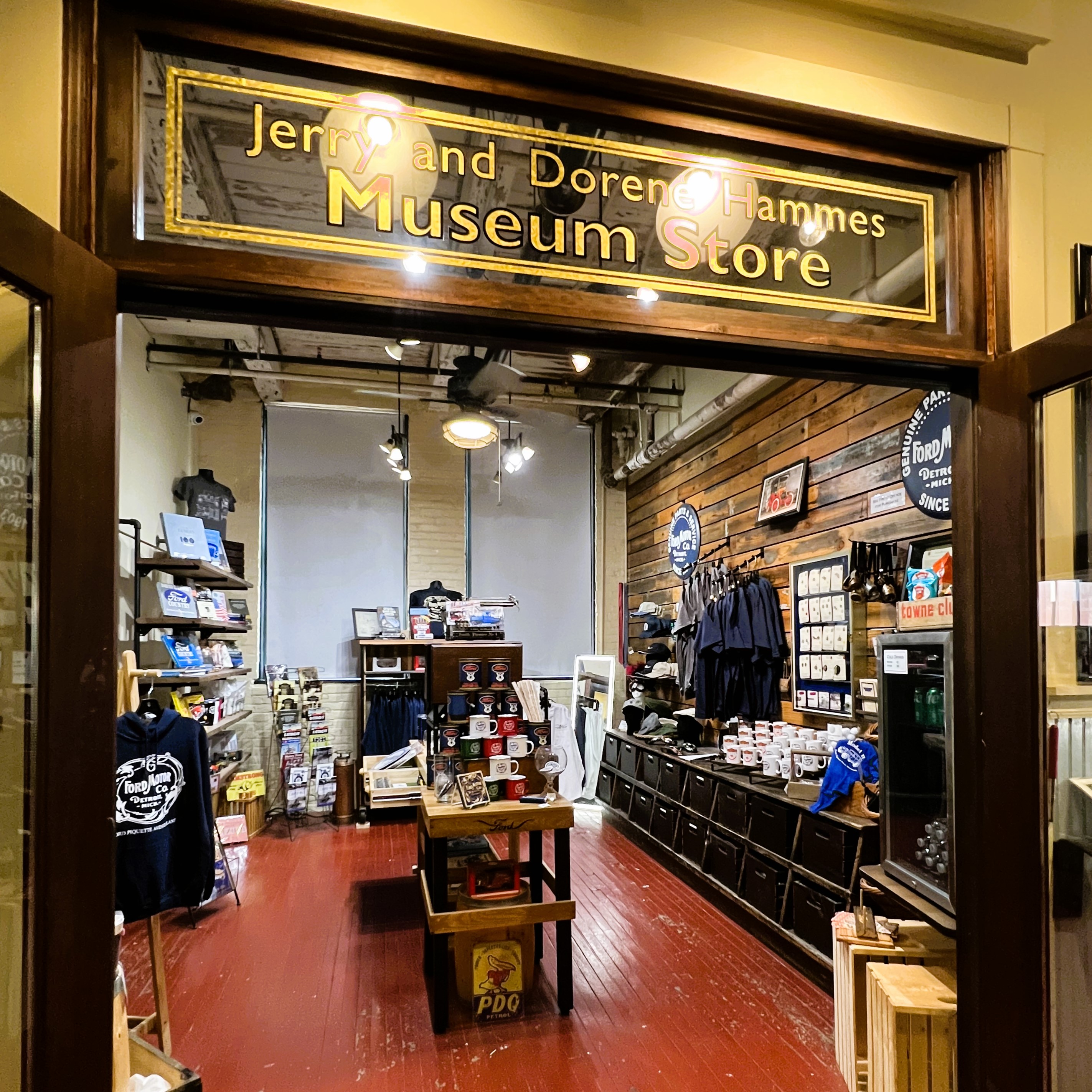
The well-appointed Jerry and Dorene Hammes Museum Store offers everything from $5 refrigerator magnets to $25 T-shirts.
Today, the Ford Piquette Avenue Plant is on several Historic Registers, including the National Register of Historic Places, and is a National Historic Landmark. The museum is part of the Motor Cities National Heritage Area. If you’re a car enthusiast, other opportunities in the area include the Automotive Hall of Fame, the Henry Ford Museum of American Innovation, and the Ford Rouge Factory Tour. Car-loving road trippers can easily create a week-long automotive history trip to southeast and central Michigan.
* * *

While Piper, a museum enthusiast, is a lifelong Michigander, she has had adventures worldwide. Bomb-sniffing dogs chased her in the middle of the night in Bogota (working late), gate agents refused her boarding to Paraguay (wrong visa), and US Marshals announced her seat number on a plane while looking for a murder suspect (she’d traded seats). It’s always an adventure! She even finds exciting activities in her home state of Michigan, where she lives in Lansing.