
For a country whose official motto is “from sea to shining sea” (A mari usque ad mare), Canada is surprisingly agnostic about her maritime heritage. Undoubtedly it is because our natural trading patterns - under strain though they are at the present - are north-south, but probably not one Canadian in ten would reflexively think of Canadians as a seafaring people.
Yet despite that, Canada has two of the most important ship-based museums in the world, HMCS Haida in Hamilton, Ontario, and HMCS Sackville in Halifax, Nova Scotia. Both are the last of their kind, and both serve as living memorials not just to Canada’s Navy, but to all the Navies of the British Commonwealth.
Canada’s naval story during the Second World War is nothing short of miraculous. In September of 1939, the Royal Canadian Navy possessed just six destroyers, and its complement was less than 3500 officers and men. Yet just six years later, the RCN was the third largest navy in the world! Most of Canada’s naval effort was naturally focussed on the North Atlantic, but Canadian sailors, and Canadian ships, served in every corner of the globe. Indeed, the very last British Empire Victoria Cross of the War was earned (posthumously) by Lt Robert Hampton Grey, an RCN pilot serving in the British Pacific Fleet.
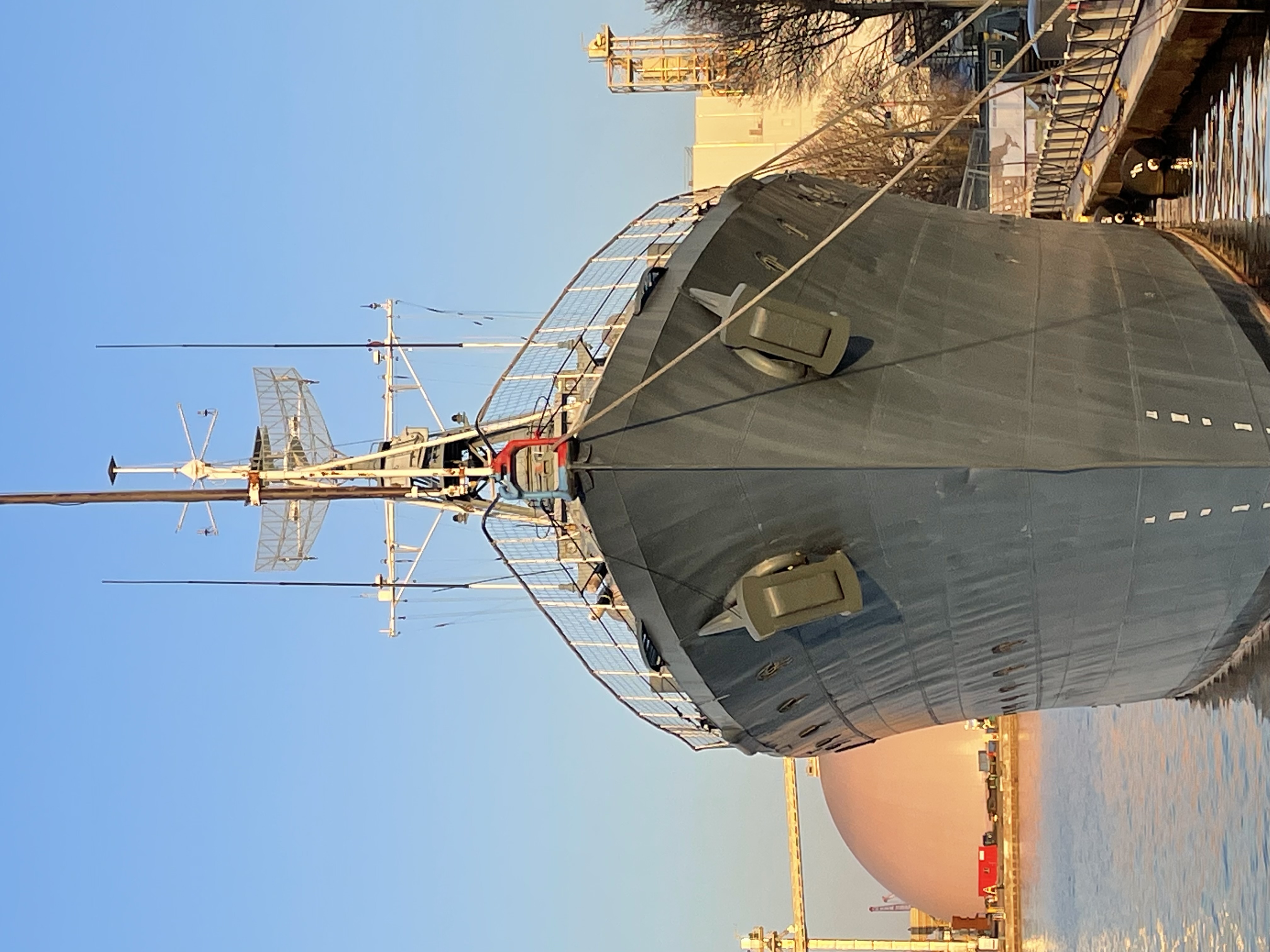
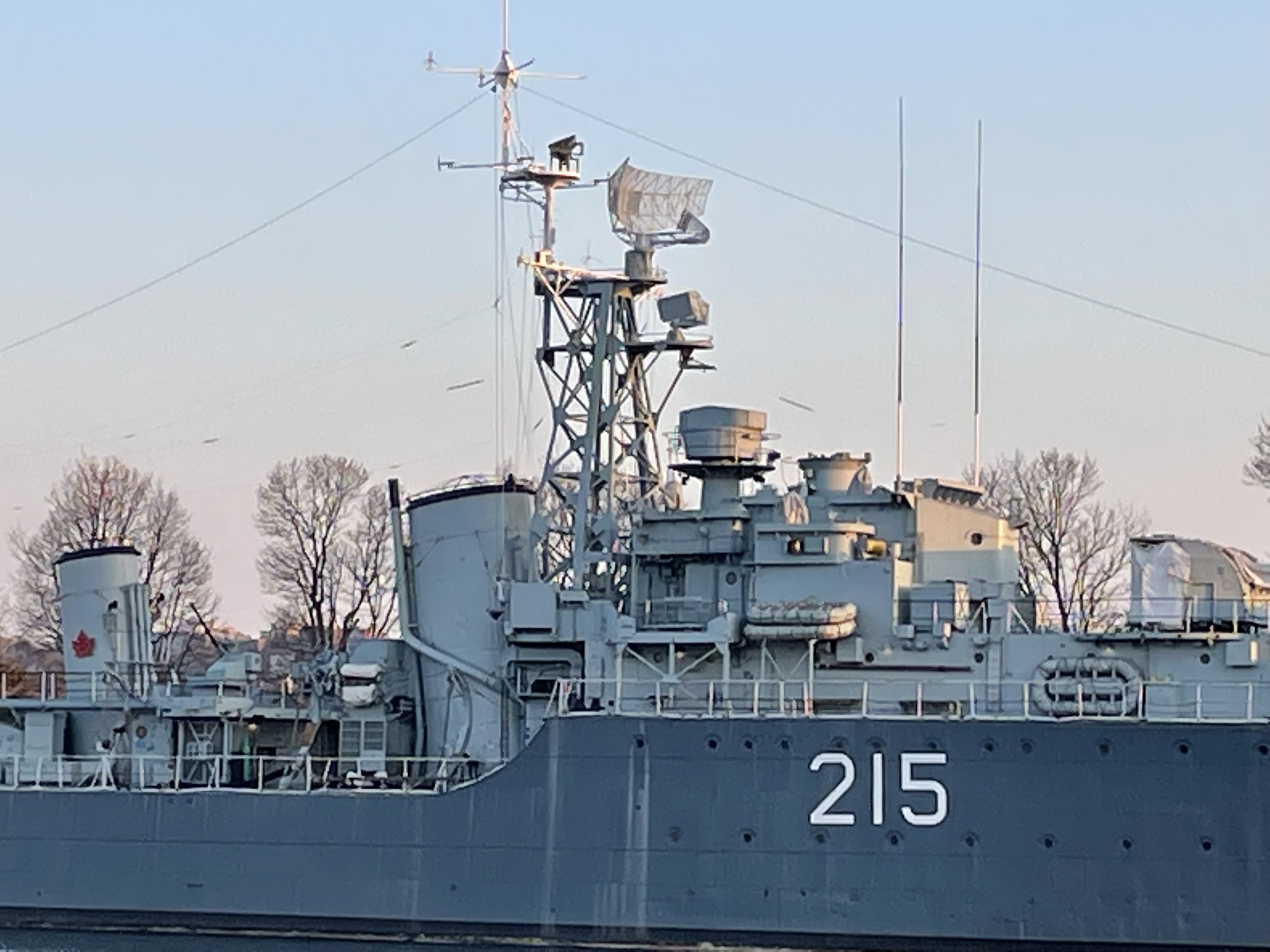
That makes it all the more fitting that Canada’s two naval museum ships should both be Second World War veterans. HMCS Haida is the very last of the twenty-seven Tribal Class Destroyers built for the Royal Navy, Royal Australian Navy and Royal Canadian Navy. Heavily-gunned for her time - armed with six 4.7” guns - under the command of Commander (later Vice-Admiral) Harry DeWolf CBE DSO DSC, she had a distinguished record in the Channel in 1944-45. DeWolf’s nickname amongst the men was “Hard Over Harry”, which tells us something about his approach to ship-driving. It is said that pound for pound, Haida under DeWolf sunk more enemy shipping than any other ship in the allied navies.
Saved from the breaker’s yard in the 1960s by an intrepid group of RCN veterans and other maritime enthusiasts, Haida (pictured at top) was designated a Canadian national historic site in 1984. And in 2018, she was named the ceremonial Fleet Flagship of the RCN.
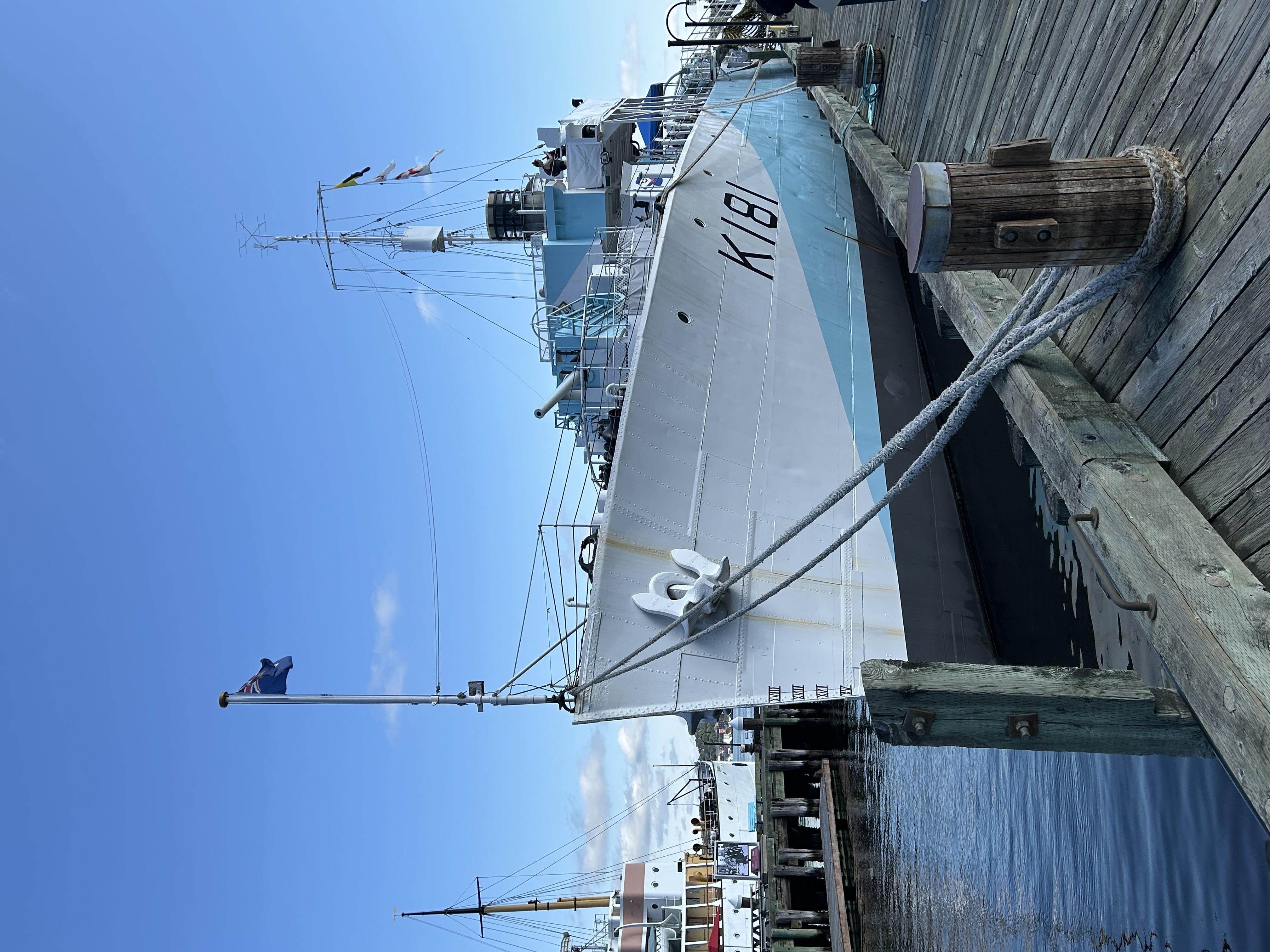
If Haida and the other Tribals represented the glamorous part of the wartime navy, HMCS Sackville represents the other end of the spectrum. She is the last of the Flower Class Corvettes, those ungainly, uncomfortable little ships which were built in a hurry, yet which carried the strain of most convoy escort work in the face of the omnipresent U-boat menace. “Cheap and nasties”, Churchill famously called them. “They may be cheap”, was the sailors’ reply, “but they are more nasty to us than they were to the Jerries!”
For a corvette, most of which were forgotten almost as quickly as they were built, Sackville’s record was an illustrious one. In August of 1942, she was part of the escort force for convoy ON 115, which was attacked by two successive wolf packs. Sackville badly damaged U-43 and U-552, and caused a third u-boat, U-704, to have to break off its attack on the convoy. For his part in the defence of ON 115, the captain, Lt Commander Alan Easton, was awarded the Distinguished Service Cross. It was purely by chance that she was saved, for she had been converted to a civilian research vessel after the war. It was that which kept her afloat, and available for restoration to her wartime condition after she was retired from civilian use.
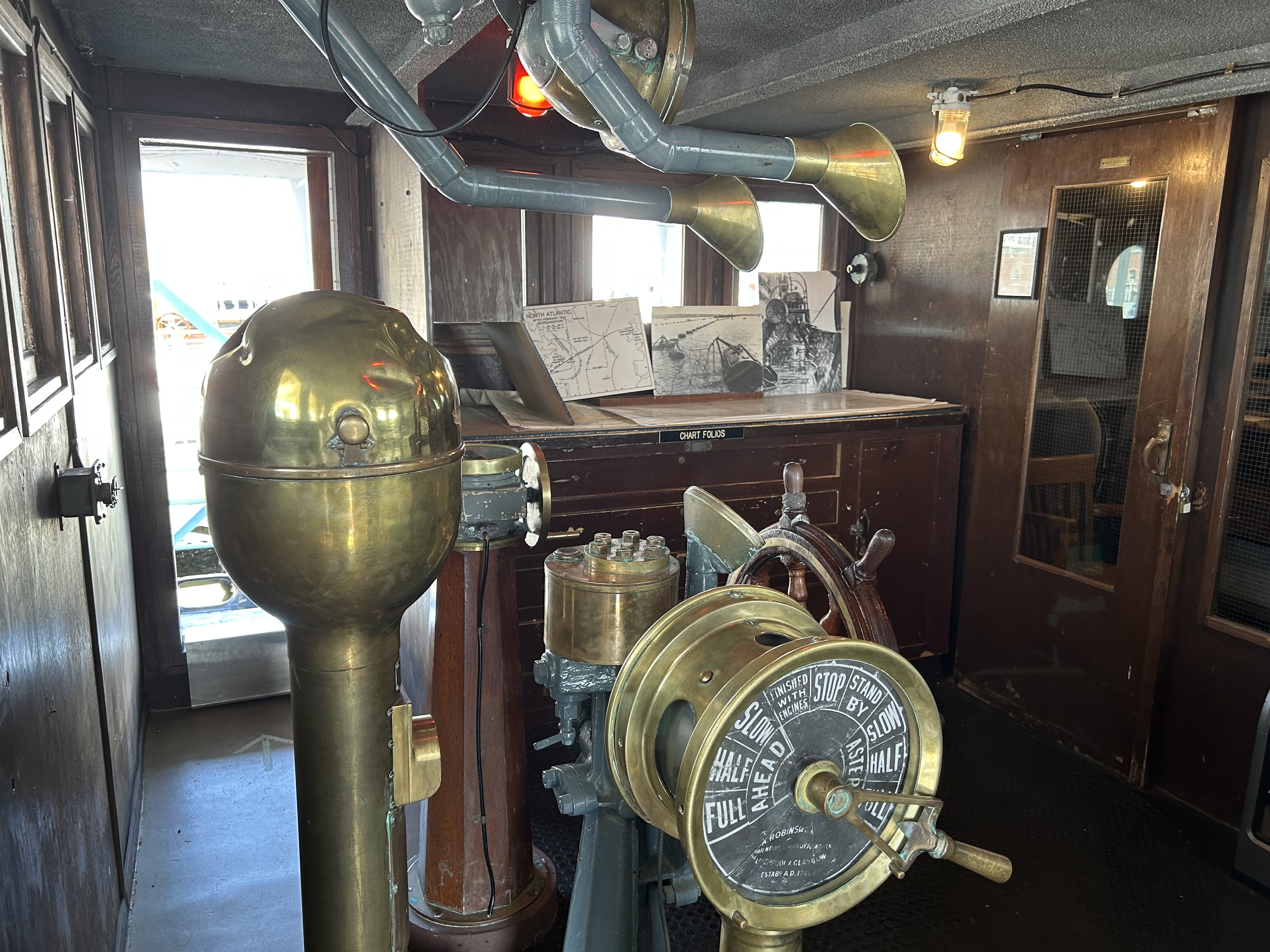
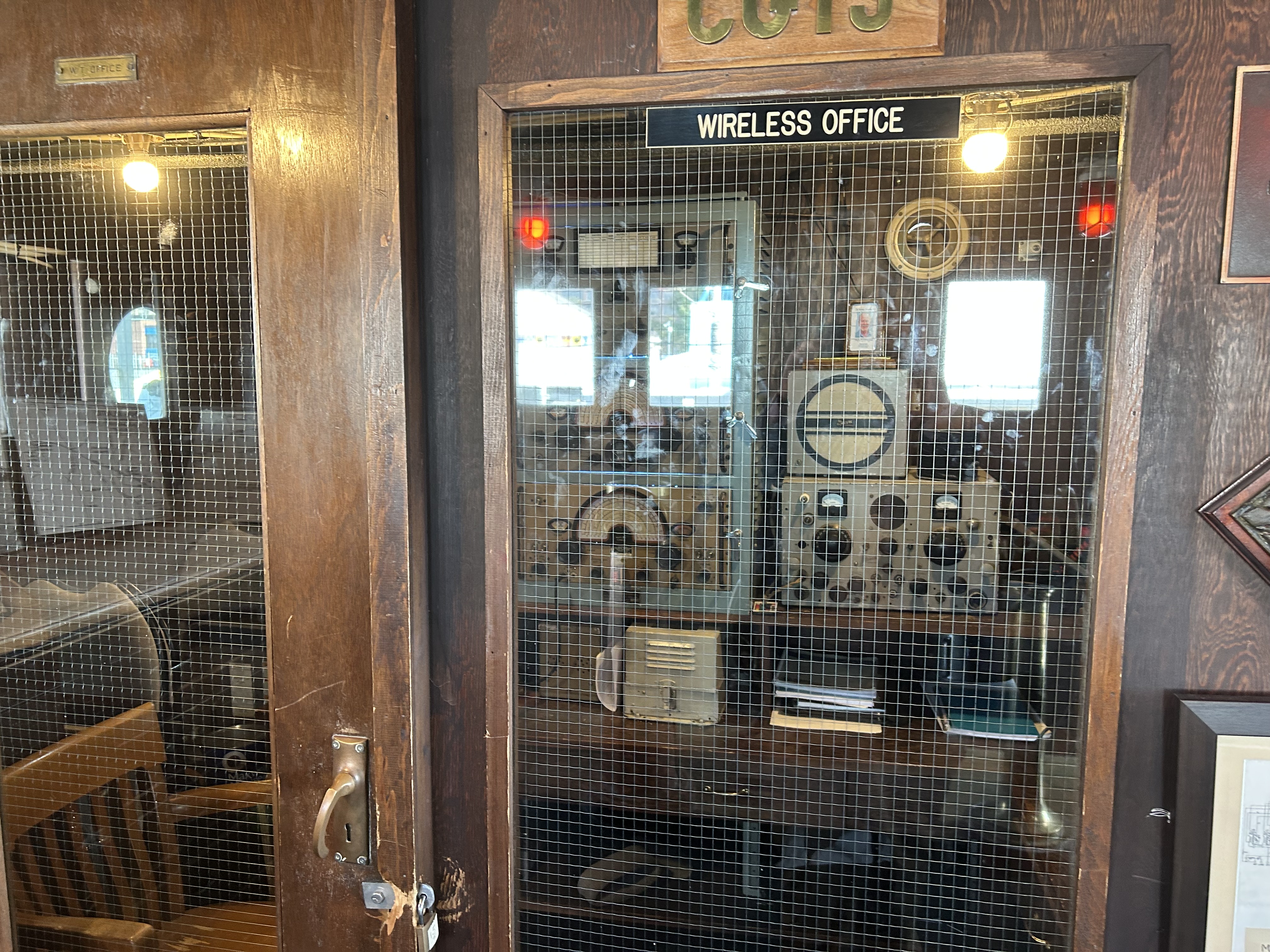
Unlike Britain’s great naval memorials like HMS Victory and Warrior, or America’s USS Constitution, Haida and Sackville are of a time of living memory - like HMS Belfast or Cavalier. Yet they are no less important for that. Meticulously restored, together, they give us a glimpse of what our fathers and grandfathers endured, and how they lived and worked, during the great struggle of 1939-45. For anyone interested in wartime naval history, they are a definite must-visit!
For information on visiting HMCS Haida, see https://parks.canada.ca/lhn-nhs/on/haida
And for HMCS Sackville, see https://www.cnmt.ca/
* * *
Dr Ian Holloway KC is a lawyer and Professor of Law at the University of Calgary, in Canada. He is a retired Chief Petty Officer in the Royal Canadian Navy and Lieutenant in the Royal Australian Navy.