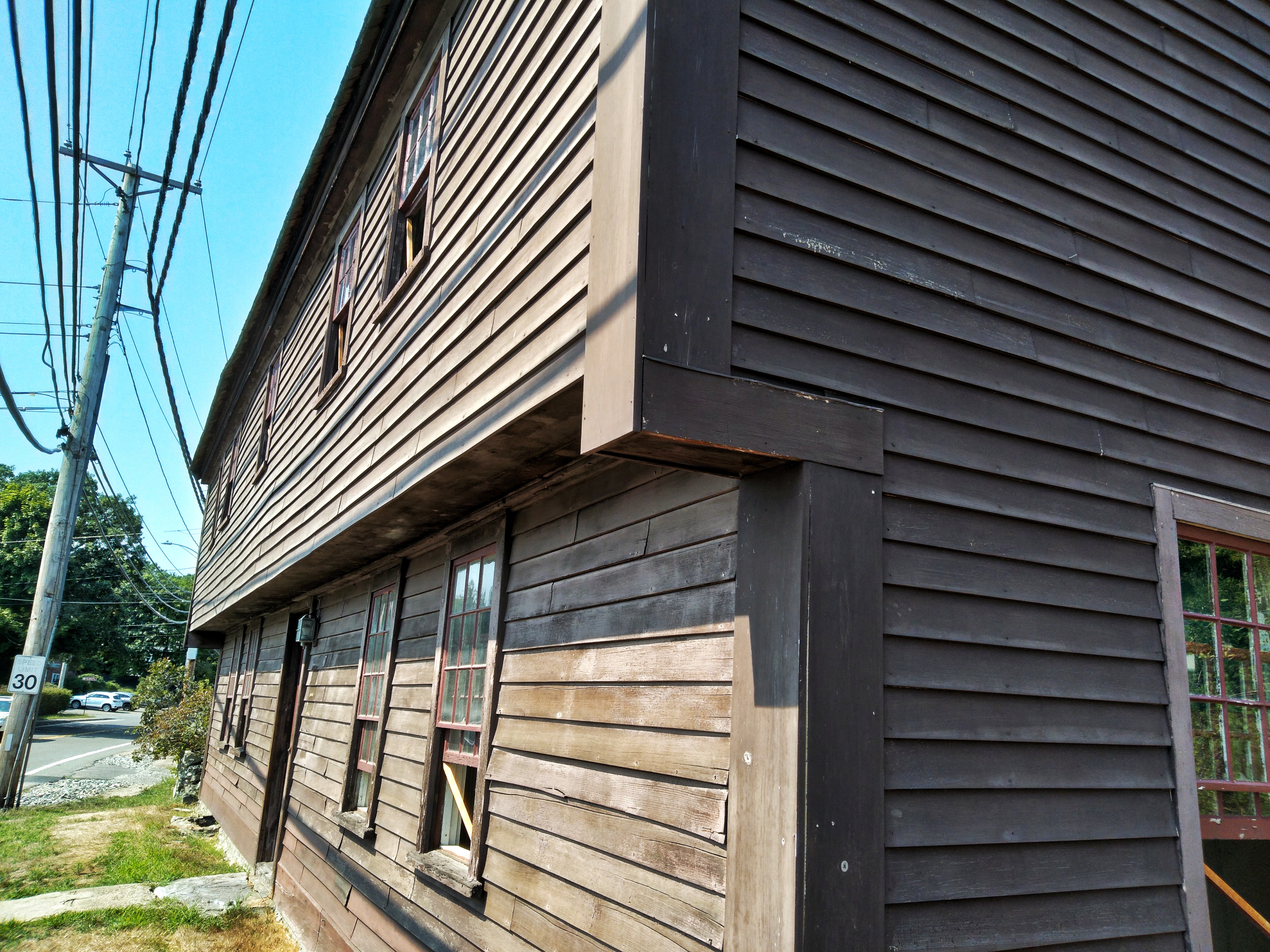
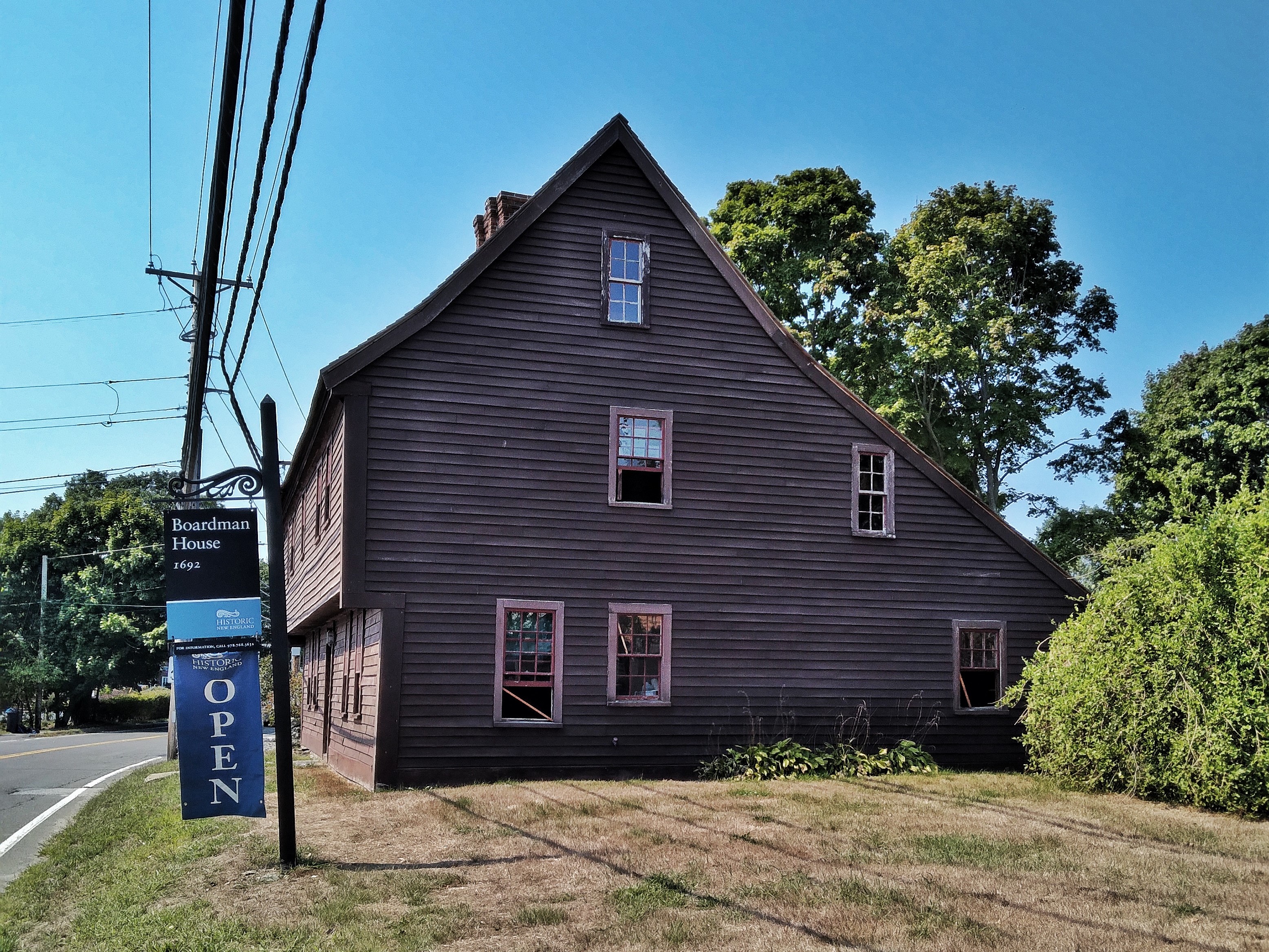
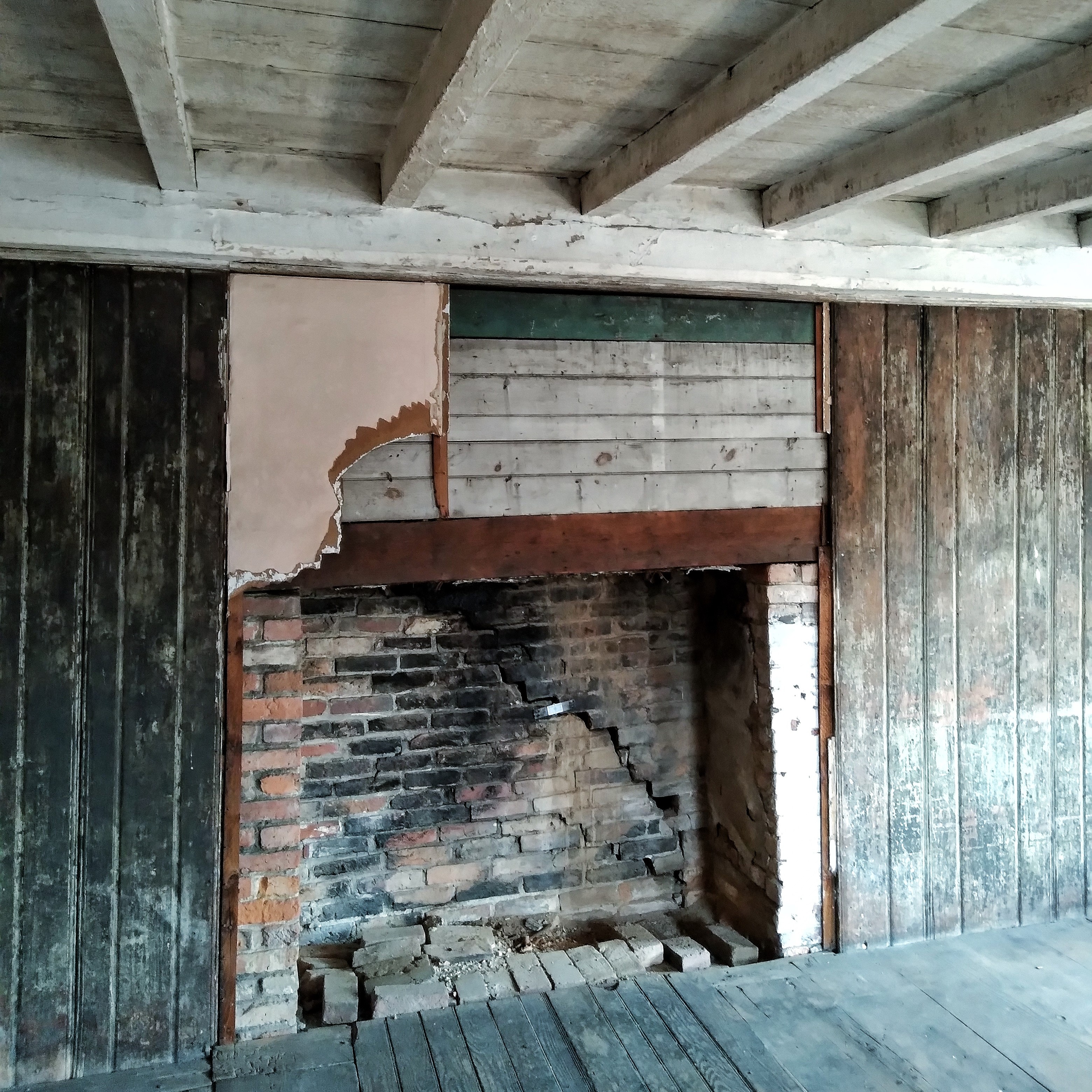
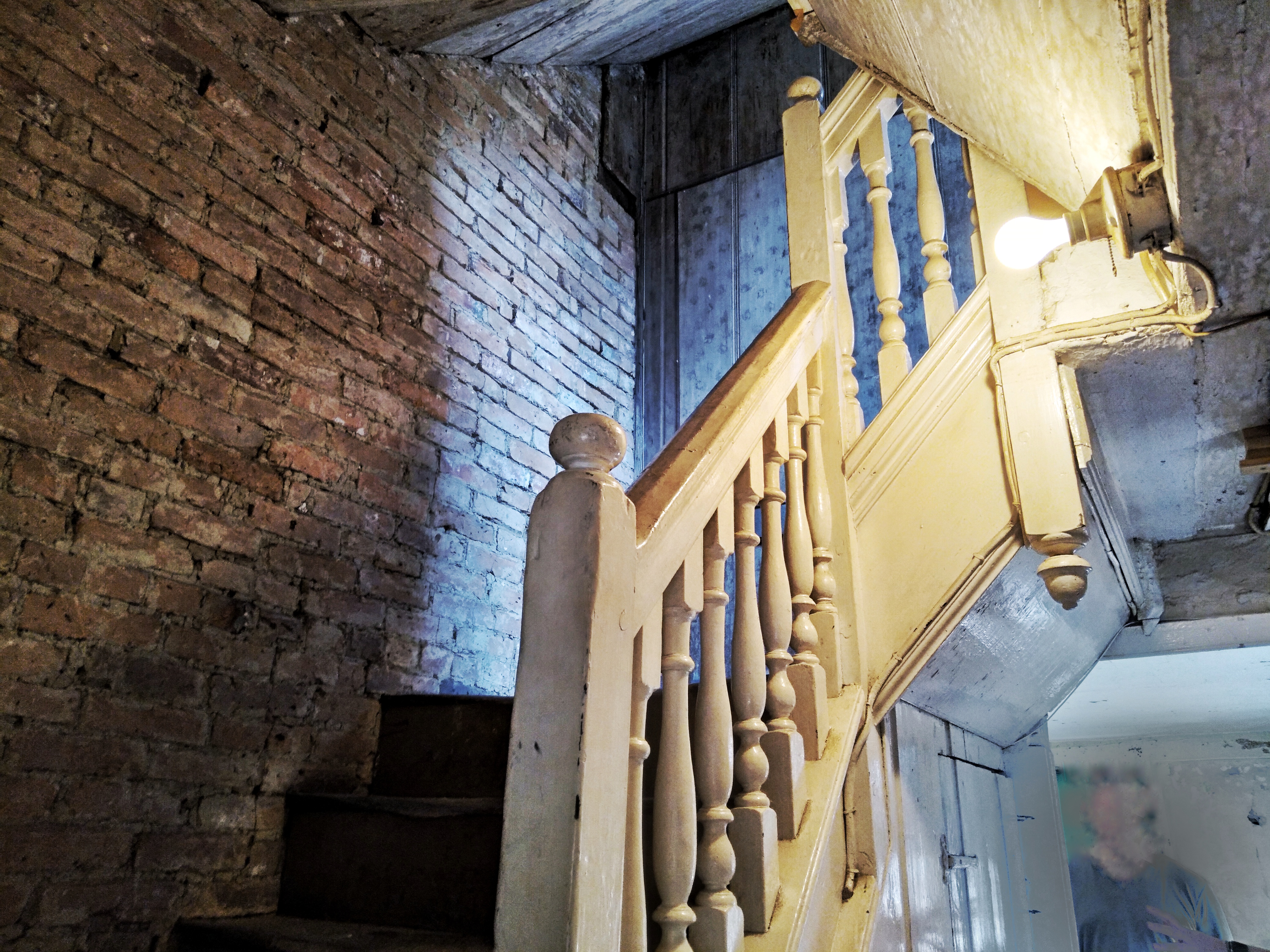
Boardman House in Saugus, MA, a study house museum owned and operated by Historic New England since 1911, and listed on the National Register of Historic Places since 1966. Like other 17th century buildings maintained as study houses, or those never restored in order to act as a teaching tool, Boardman House had minimal furniture. For those who enjoyed exploring every part of the house, the tour guide allowed guests to stand in the fireplaces and explore the attic and basement.
Located north of Boston in the Essex National Heritage Area, the town of Saugus was first settled by European colonists in 1629 and incorporated by 1815. The town served as an early industrial center and fishing port and is now home to several history-focused attractions. Also in this town is Saugus Iron Works National Historic Site, marketed as the “Birthplace of the American Iron and Steel Industry”. On this site, the National Park Service has restored working mills, water wheels, and forges to demonstrate how early European colonists smelted iron. The mill and surrounding land was owned by William Paine from Suffolk, England. In mid December of 1650, Scottish prisoners of war who had lost the Battle of Dunbar to the English were brought against their will to work in Paine’s mill. By the 1680s, after the mill closed down, Paine’s grandson Samuel Appleton Jr. took control of the large house on the property, which now serves as the visitor center.
Saugus is much busier and more populated than when the houses were constructed. While most of the very oldest houses are gone, two houses have been saved thanks to a pair of preservationists, the fancy term for old house nerds. Wallace Nutting was instrumental in the preservation of Iron Works House, while William Sumner Appleton, a descendent of the Iron Works House owners, founded what is now Historic New England and preserved Boardman House. As nice as preserving an old house may seem, Appleton made questionable decisions driven by ethnic prejudice to complete his project.
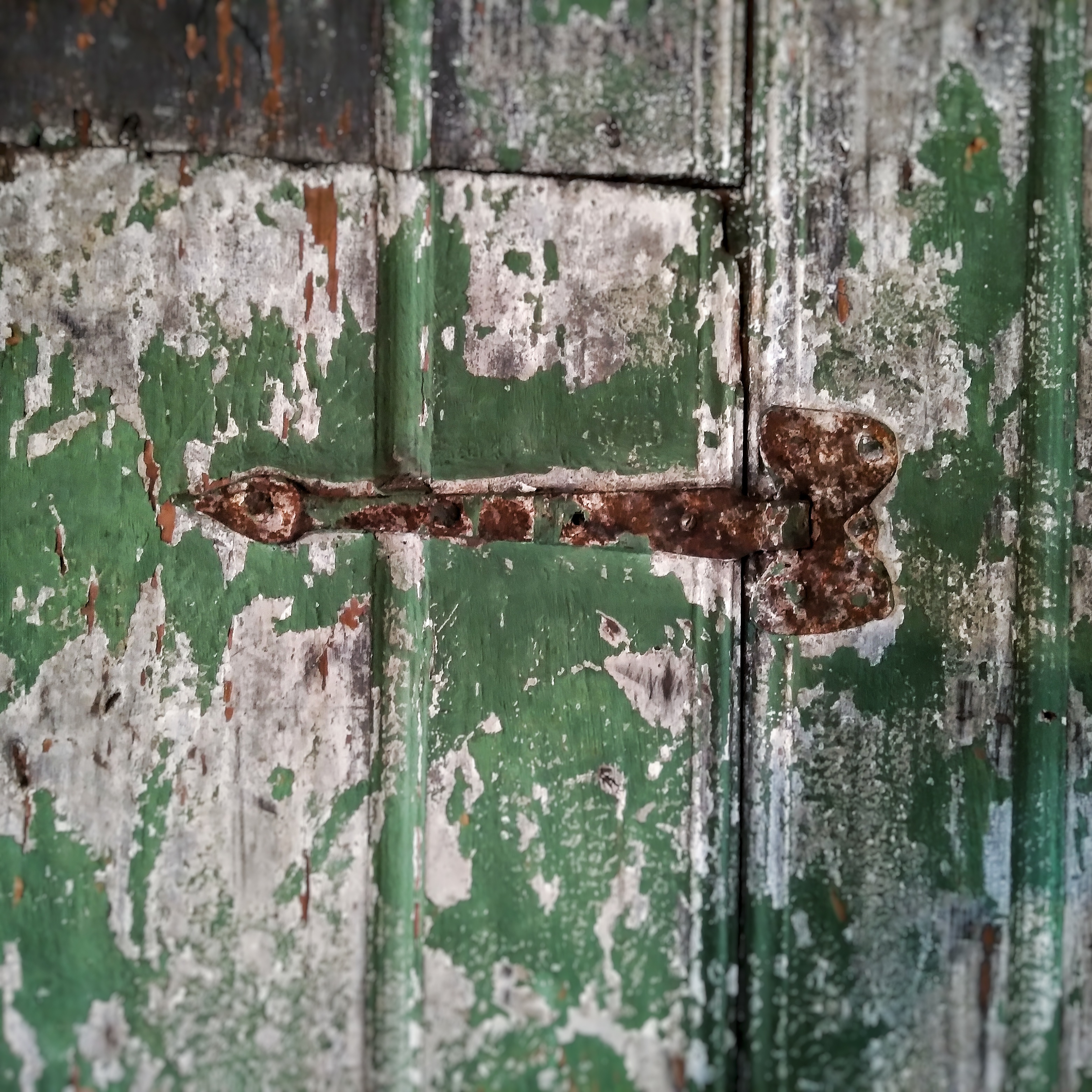
Let’s start with the beginning of the house. It was built using timber framing, a post-Medieval European technique where pegs made of soft woods like pine connected a pair perpendicular of notched beams made of hardwoods. These structures predate widespread usage of nails. Even with the nearby ironworks, metal was expensive and used sparingly on door hinges. Other features common in houses from this time period include rough, wooden clapboards on the exterior; a thick, wooden skirtboard on the bottom of the wall; and roof boards on the ceiling. Boardman House does deviate from common building techniques to the construction of its room. The builders used few rafters (large wooden beams making the peak of the roof) but many purlins (small wooden beams attached to the rafters and parallel to the floor).
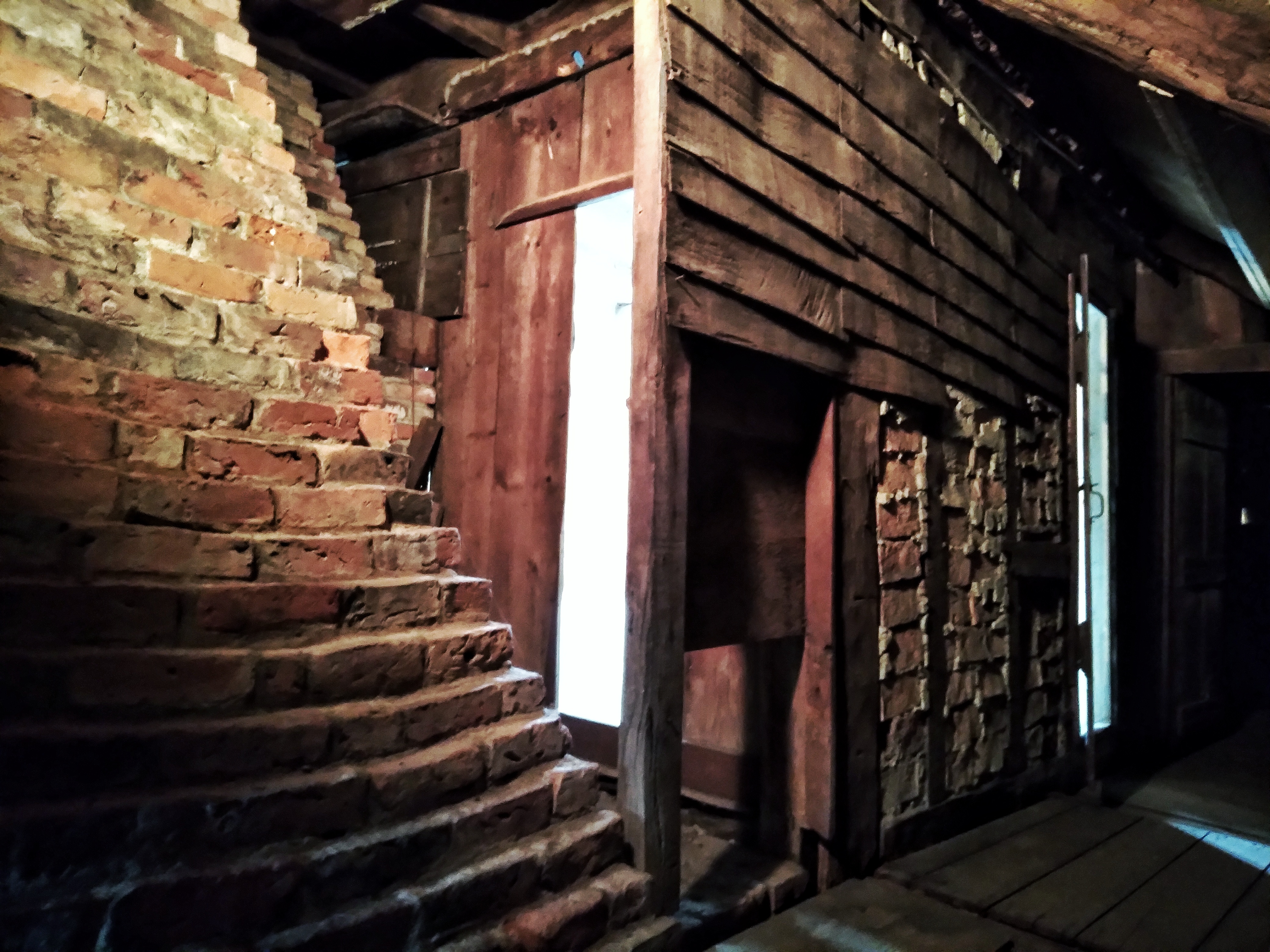
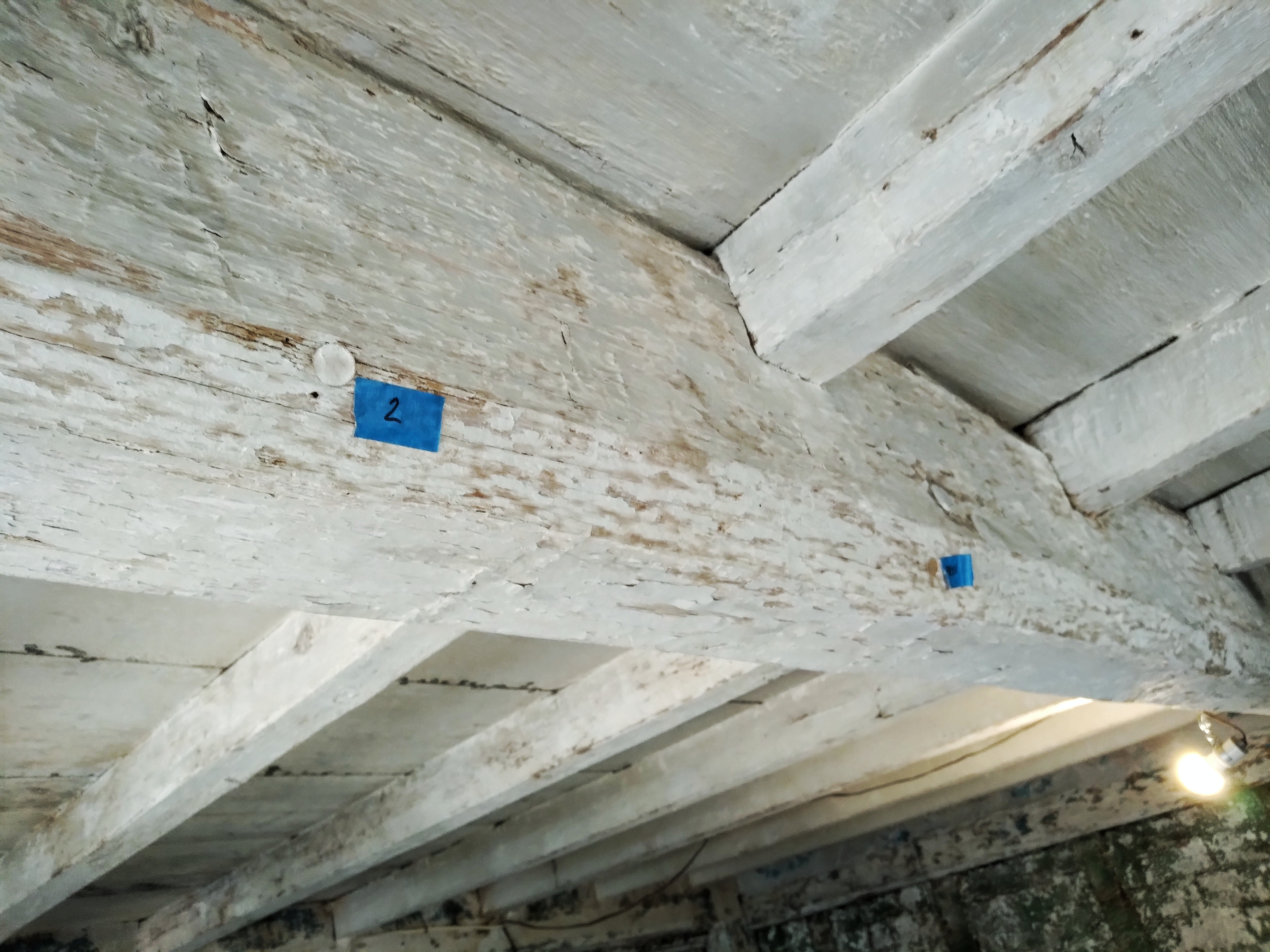
Historians currently believe William Boardman bought land to build a house in 1686. The Boardman House was previously thought to be built the next year in 1687, but research conducted by the Oxford Dendrochronology Laboratory proved that the house was built in 1692. In the next four years until his premature death at age 38, Boardman made improvements to his house, including a kitchen lean-to. This addition is super exciting for house nerds, because the original exterior features of the house were preserved in the wall. The Boardman family lived in this house until 1911, making decorative updates along the way, until they sold the property to Jacob Wilbur, a real estate dealer and precursor to modern day housing developers.
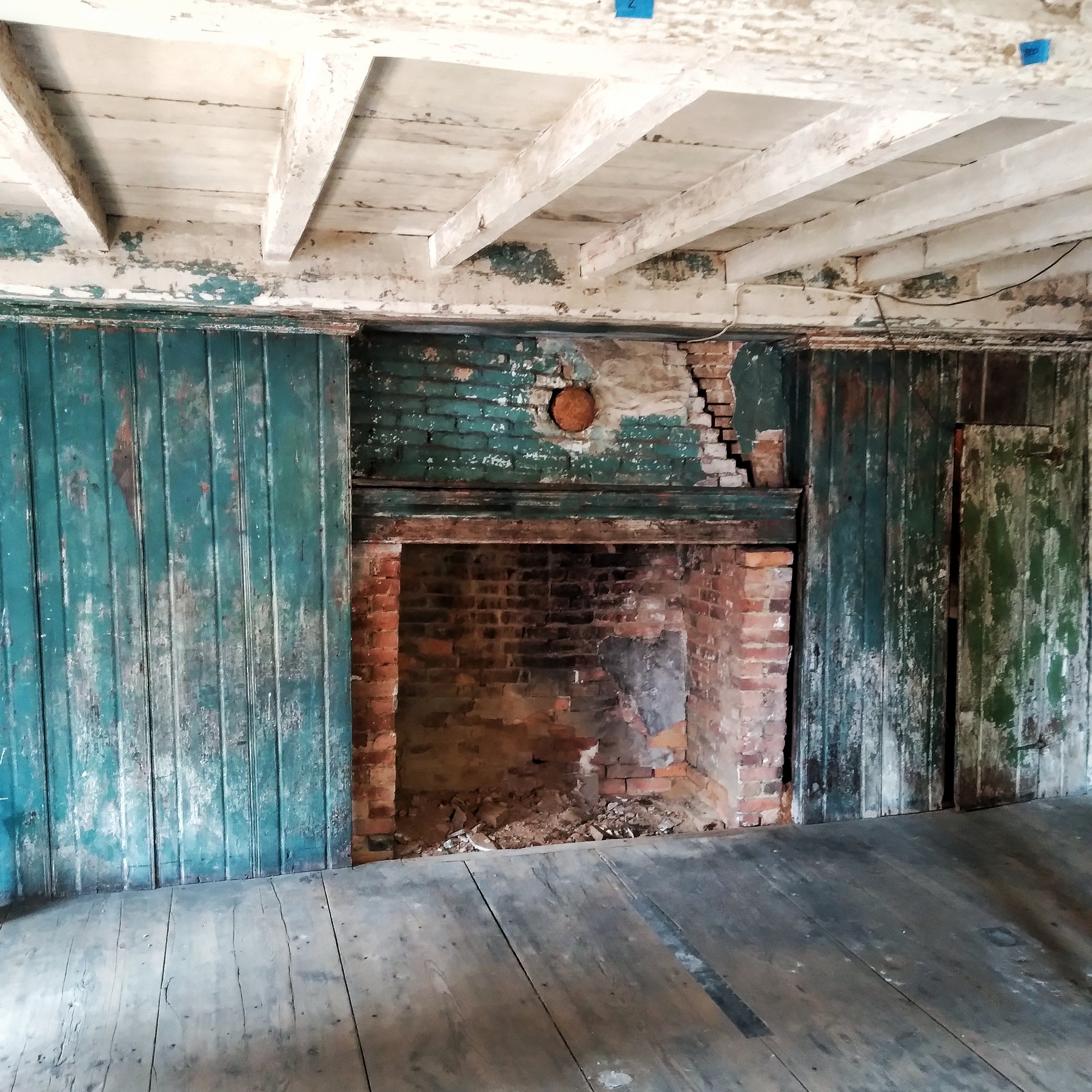
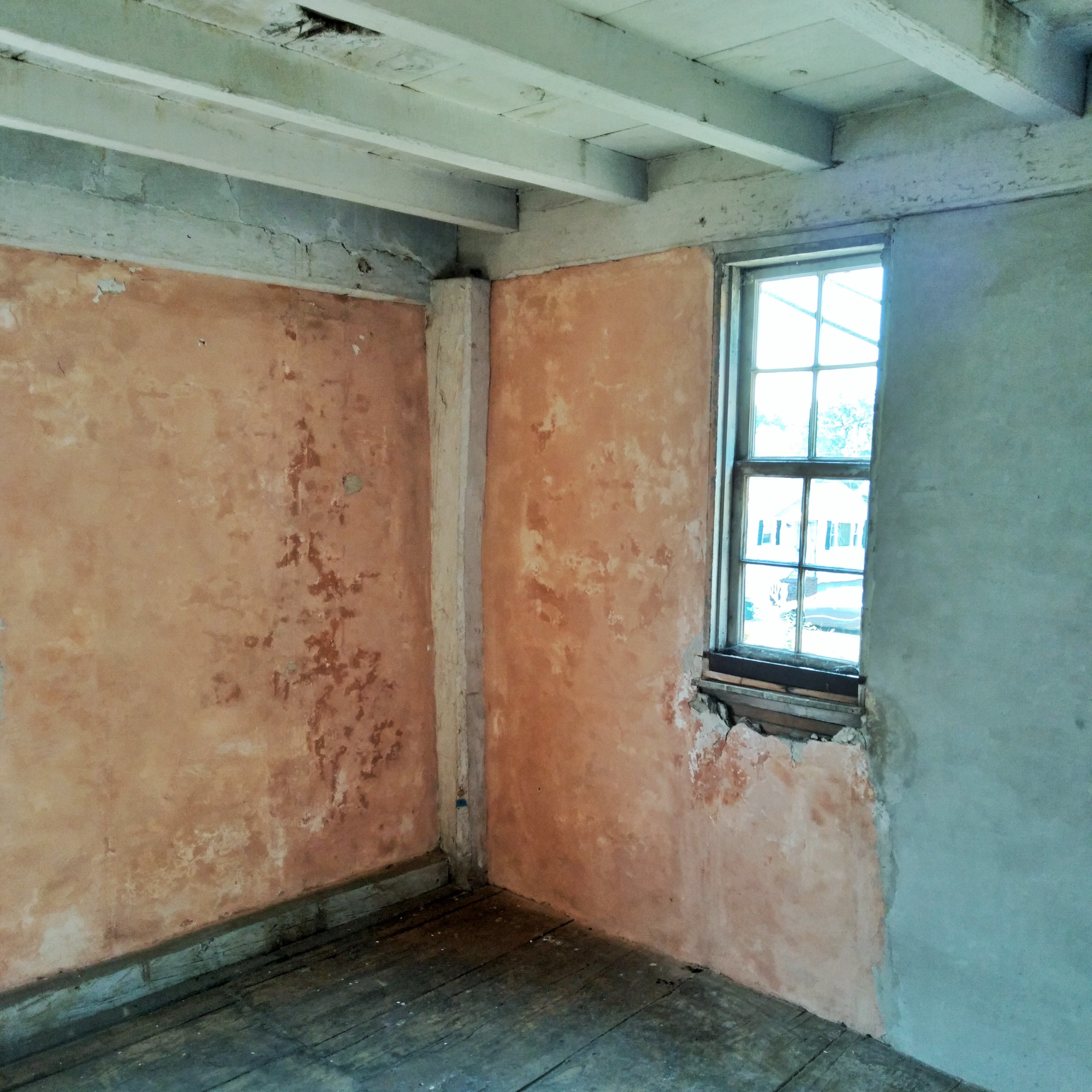
For a few years, several Italian families lived in the house at the same time. This time period was called the Giolitti Era in Italy, as people from the southern part of the country were systematically oppressed by Prime Minister Giovanni Giolitti and other high ranking political leaders, who deemed them racially inferior. They sought refuge in a land of opportunity, only to face similar discrimination in America. Even with these hardships in mind, the families made the Boardman House cheerful by painting the upstairs room a Mediterranean shade of pink. Unfortunately, Appleton was not filled with such cheer and evicted the families upon purchasing the property.
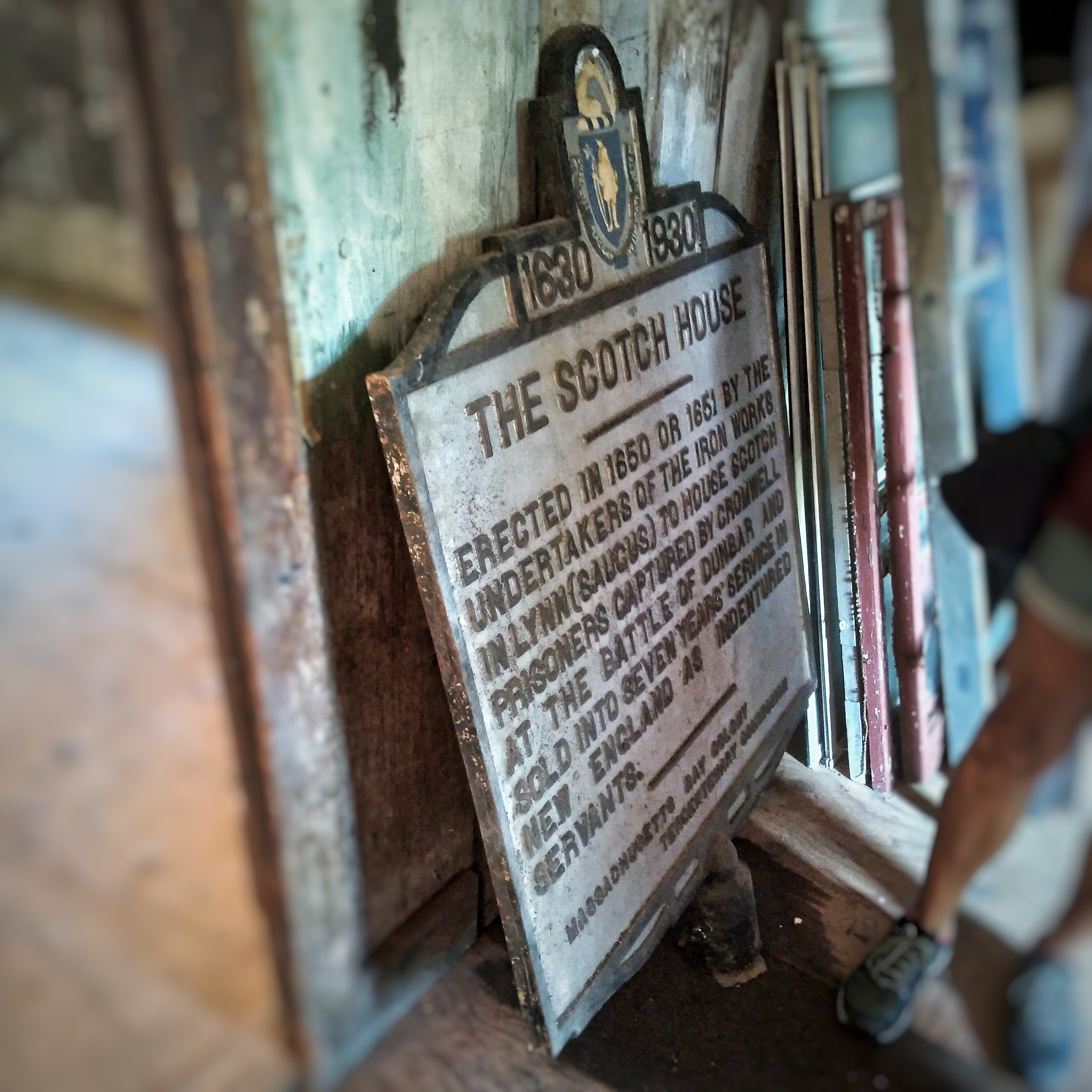
But what about the Scottish residents like at Iron Works House? Before dendrochronological research, the house was believed to be built in 1650 to house Scottish workers at Saugus Iron Works, leading to other incorrect names like “Scotch House” after potential residents and “Bennett House” after the first recorded European occupant of the property, Samuel Bennett. Call it clever or deceptive, this marketing technique was used by Appleton to garner donations from Scottish-Americans to restore the house. A sign with this information was put up by the Massachusetts Bay Colony Tercentenary Commission in 1930 and still resides in a closet at Boardman House.
As a smaller, less popular property, open hours for Boardman House are somewhat unusual. Tours are given on the second Saturdays and third Thursdays of the month on the hour at 11:00 a.m., 12:00 p.m., and 1:00 p.m. Tours last about 45 minutes, but visitors on early tours are permitted to continue exploring the building during open hours. The tour is standard HNE small house pricing: $10 for adults, $9 for seniors, $5 for students and children, free for HNE members and library pass holders (like me!). As with most historic house museums, the home is not accessible for those using a wheelchair or with limited mobility. Steep steps and low lighting make the space difficult to navigate even for young, agile visitors. Proceed with caution and listen to advice from your guide whenever you are in the house. A virtual tour of the house is available onsite only at this time.
* * *

Abigail Epplett is a marketing consultant open to working with humanities-focused organizations. She holds an MA in Museum Education from Tufts University, where she researched the history of New England from Plymouth to the Civil War. To learn more about her adventures with museums, visit her current blog at abbyeppletthistorian.blogspot.com.
Abigail is Historian-In-Residence at the National Museum of Mental Health Project: https://www.nmmhproject.org/