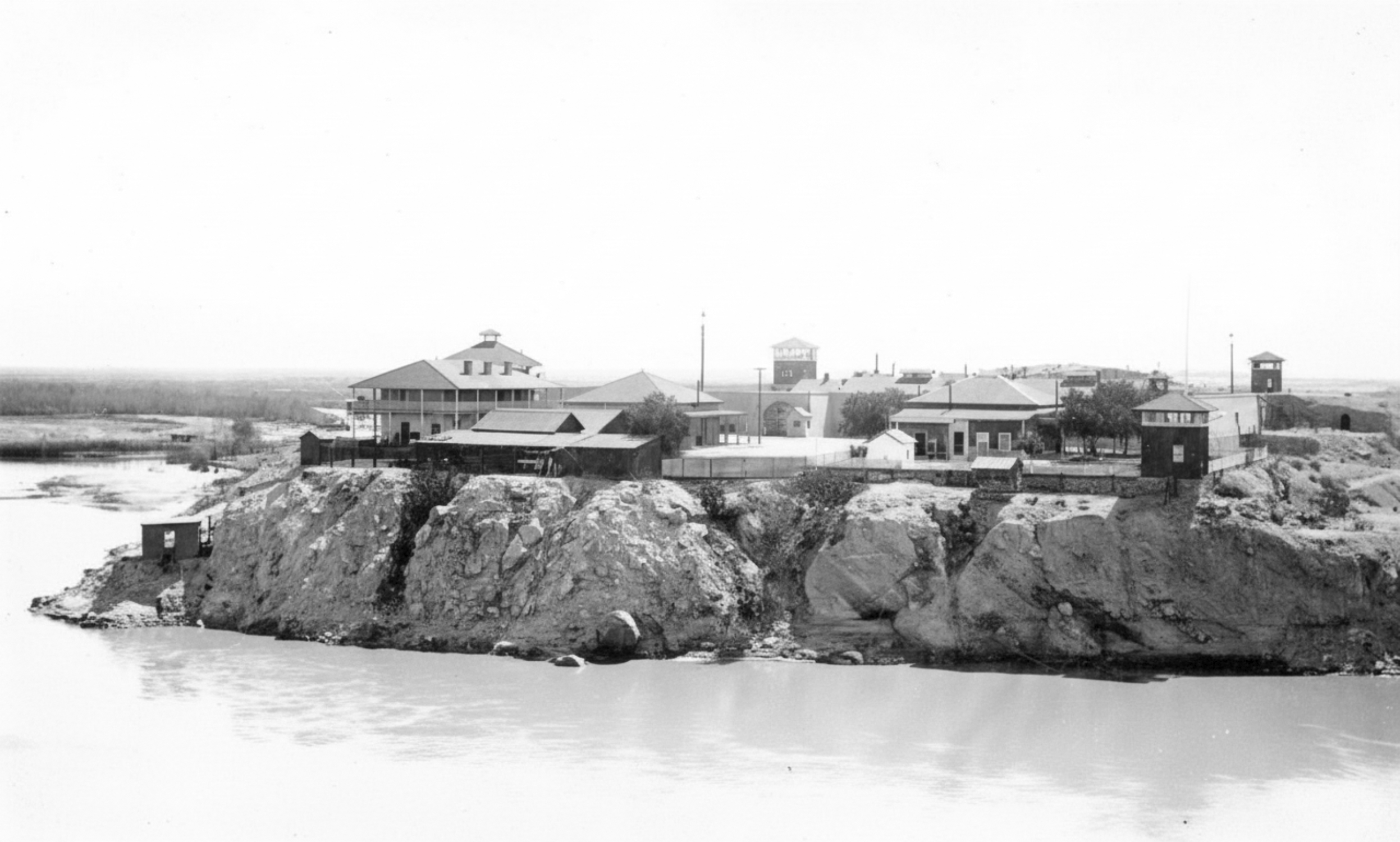
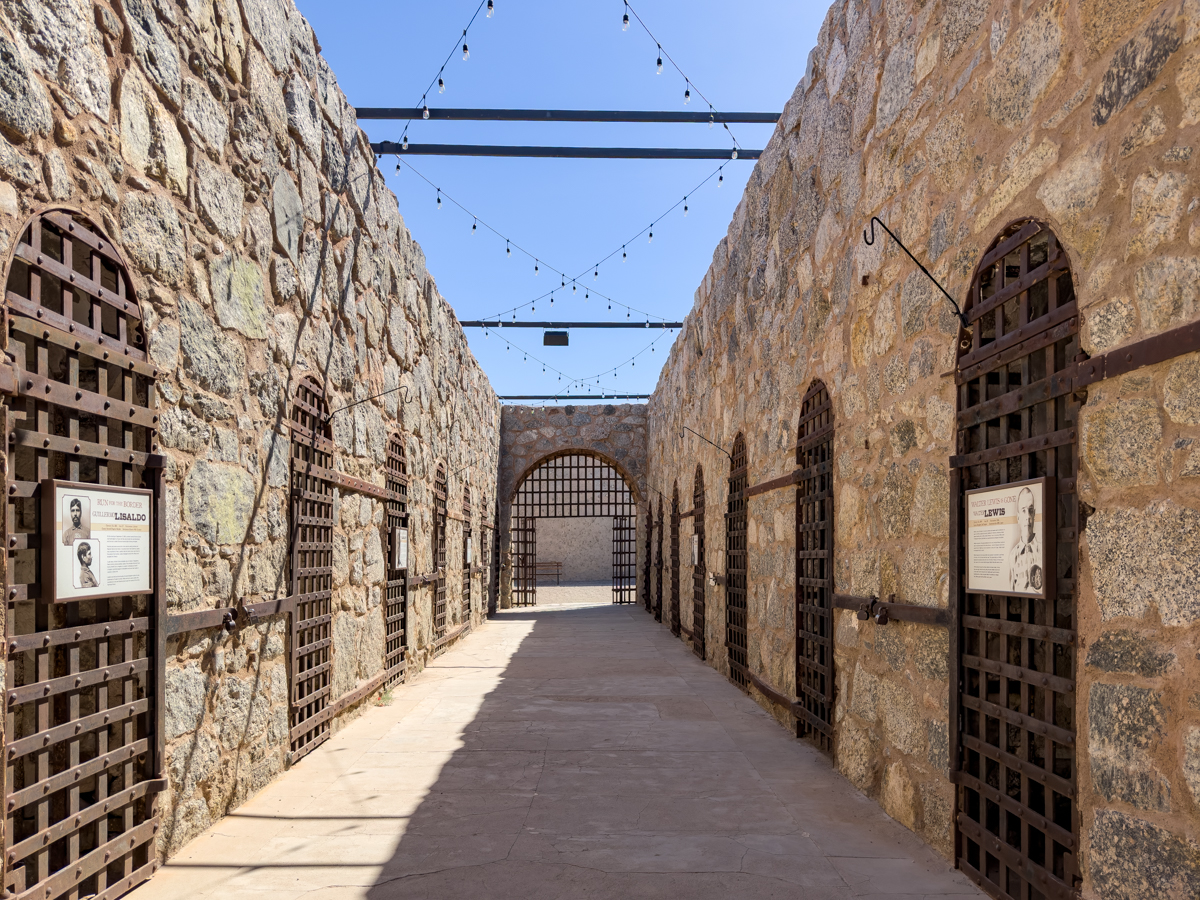
Some museums display objects in cases. Yuma Territorial Prison State Historic Park lets you walk into the object itself.
On Prison Hill above the Colorado River, the former prison is now a museum where visitors enter cells, punishment spaces, and exhibits of Arizona’s territorial era. This immersive experience sets the mood for your journey through the site.
The prison opened in 1876 and held 3,069 prisoners in 33 years. Only 29 of them were women.
The museum does more than retell an Old West prison story, however. Building on your exploration of the grounds, it illustrates how the design of the prison, the methods of punishment, efforts for reform, approaches to interpretation, and strategies for preservation together create a memorable museum experience.
From the hilltop, it’s clear why escape was tough from Yuma Territorial Prison. The Colorado River and sheer cliffs earned it the nickname “Desert Alcatraz.”
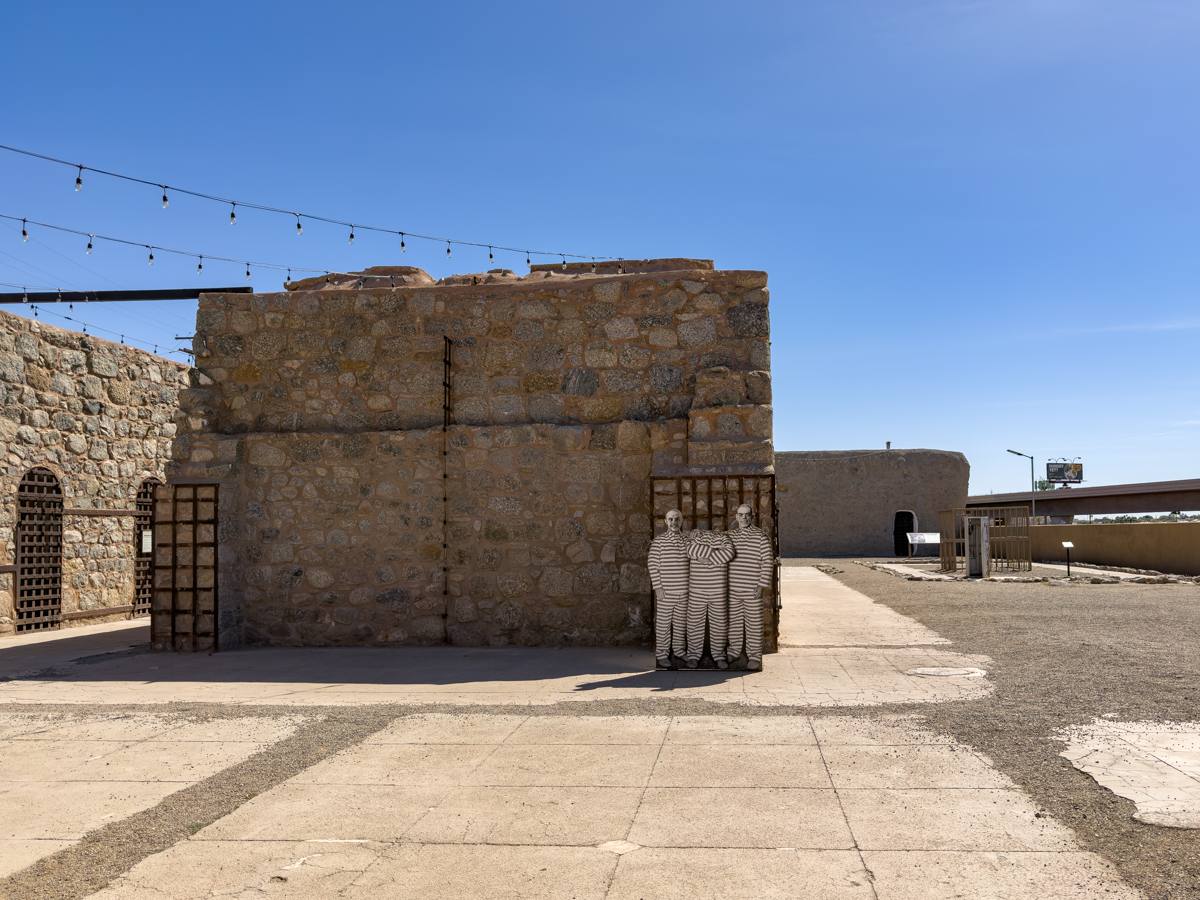
Inside, the prison quickly moves past the usual frontier jail stereotype. Early conditions were harsh, and overcrowding made the cells even harder to imagine as livable space.
The Dark Cell removes any soft-focus version of frontier history. When I stand in the center of the cell, illuminated only by a flashlight, seeing the conditions that difficult prisoners endured, only my imagination fills in the gaps.
Next door, the criminally insane cell shows how prison officials dealt with inmates they could not control or did not understand.
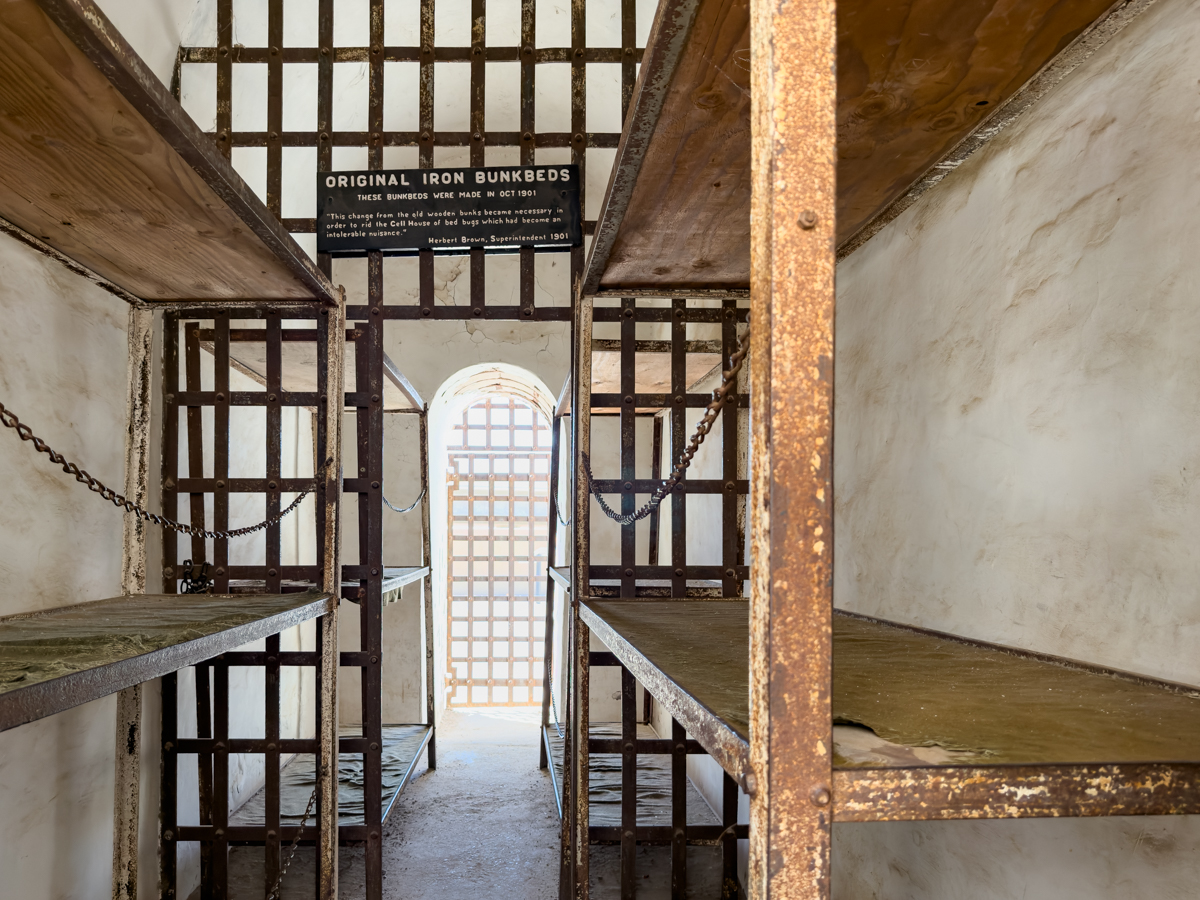
Cramped, blunt, and hard to romanticize, the cells remain the most direct part of the visit. Visitors learn how prisoners were processed, identified, and controlled from the moment they arrived.
The sally port’s two-door system makes that logic clear. This small design detail says much about prison operations.
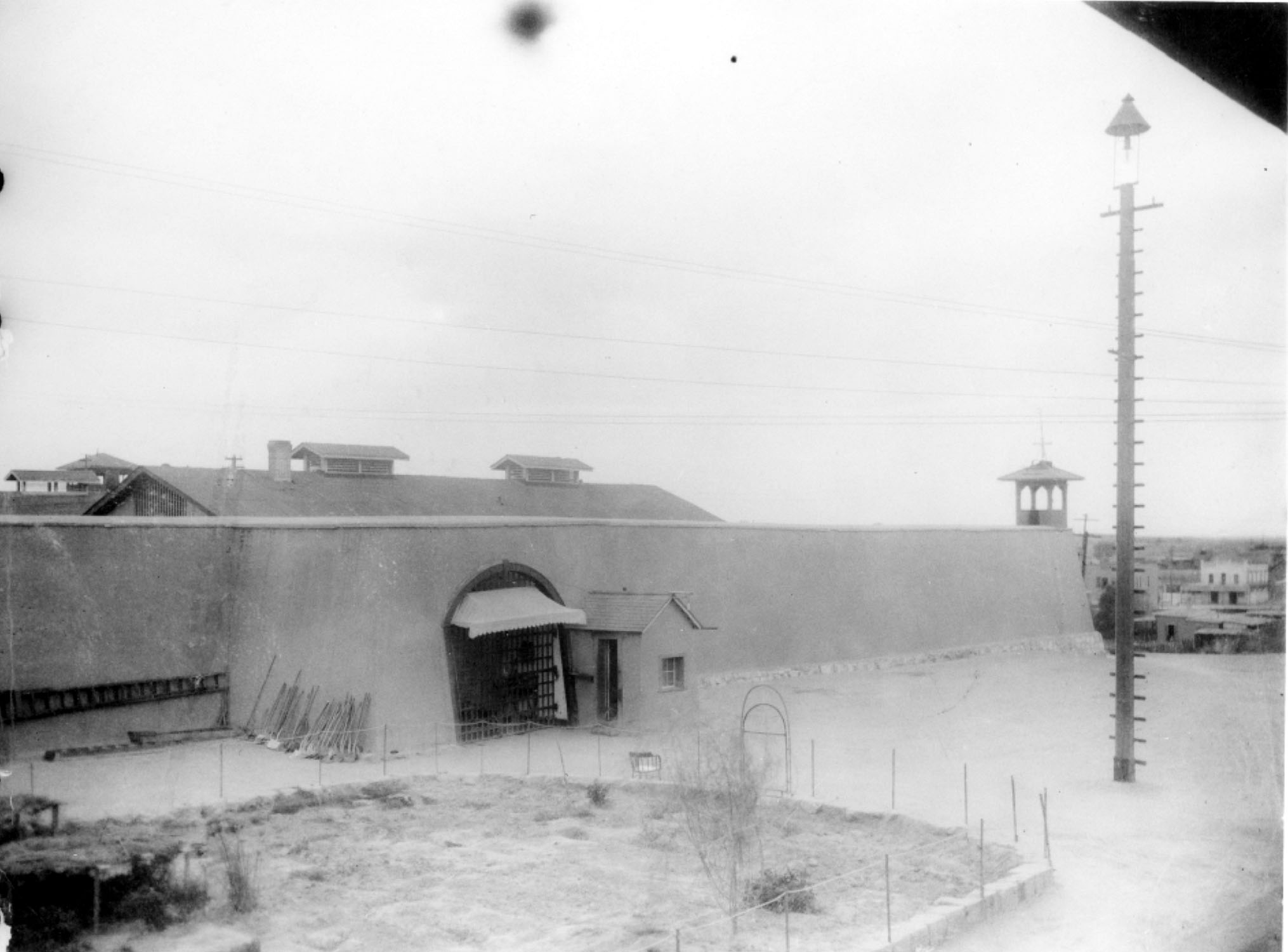
The main gate sallyport provided enough space for a wagon to enter and be secured before the interior door opened to the prison. The cells offered the same level of security but only provided enough space for one person. This feature prevented the guards from being rushed by the inmates.
Under the leadership of F.S. Ingalls and Thomas Gates, two standout superintendents at Yuma Territorial Prison between 1883 and 1891, the prison became known for its progressive treatment of prisoners.
Medora Ingalls, F.S. Ingalls' wife, pushed education, structure, hygiene, and more humane routines. She raised funds and furniture to make the prison library the largest collection in the Arizona Territory.
Eventually called the "Country Club on the Colorado,” the prison had a full-scale hospital, a marketplace where inmates sold goods, and a barber shop that doubled as a dental office.
Upon intake, prisoners received a comb, a toothbrush, and a shave. Inmates made their own clothing and shoes. These artifacts are preserved and recreated for visitors.
The prison balanced care with discipline. Well-behaved prisoners had a reasonable life; difficult ones faced harsh punishments, such as a heavy ball and chain.
Most prisoners worked 8–10 hours a day, 5 days a week. On Fridays, locals came to the prison for a 25-cent show, raising money for the funds. Saturdays were for dental or barber visits. Sundays were for church.
The prison featured amenities like a telephone, electricity, running water, and a generator. Even the locals used the facility’s library, as such conveniences were unavailable elsewhere.
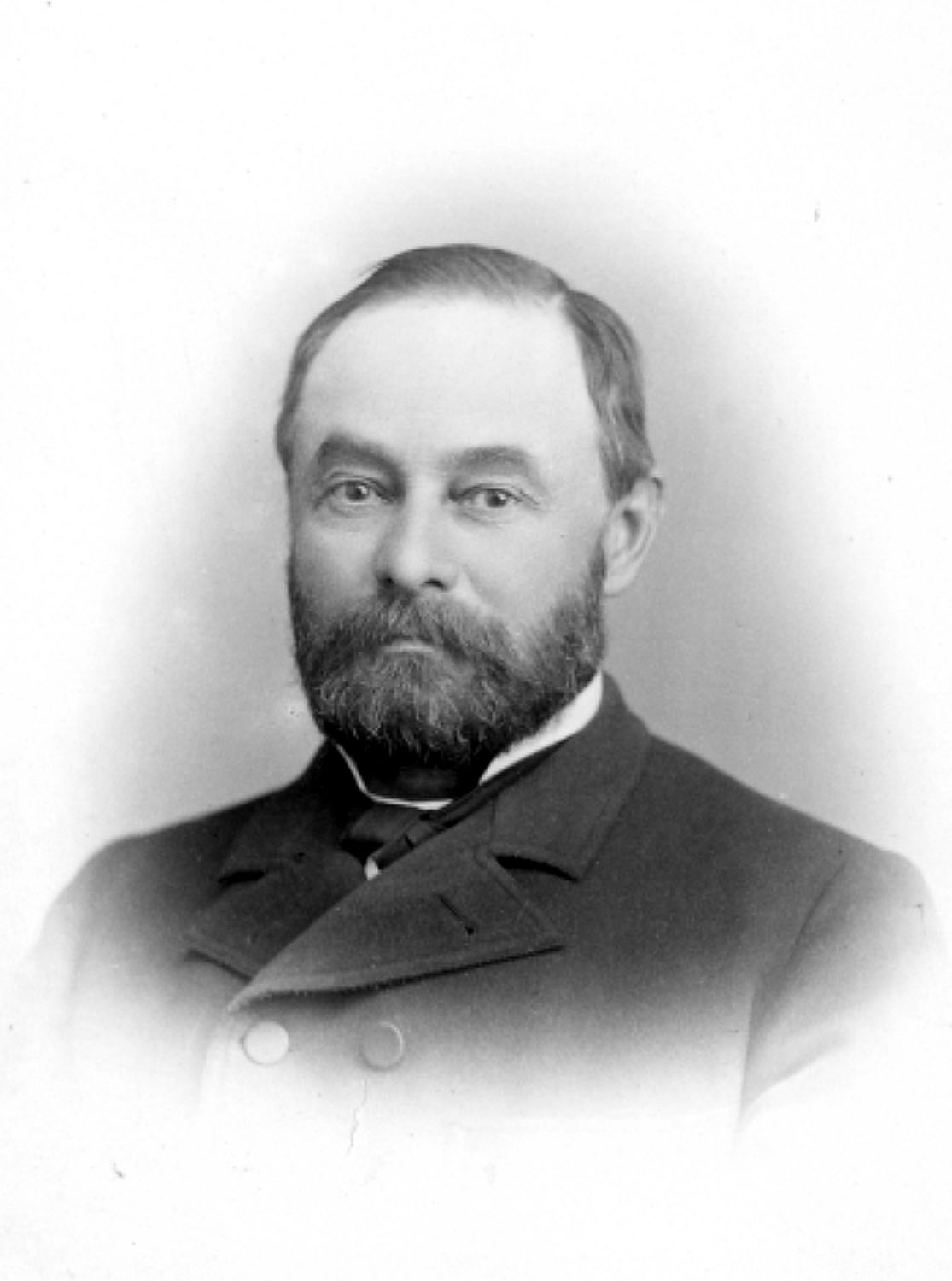
In one of Yuma Territorial Prison’s most dramatic episodes, several inmates launched a violent escape attempt on October 27, 1887, in what became known as the Gates Riot. Superintendent Thomas Gates was taken hostage and wounded during the fight. The breakout failed, and four convicts died, making the riot one of the prison’s defining moments.
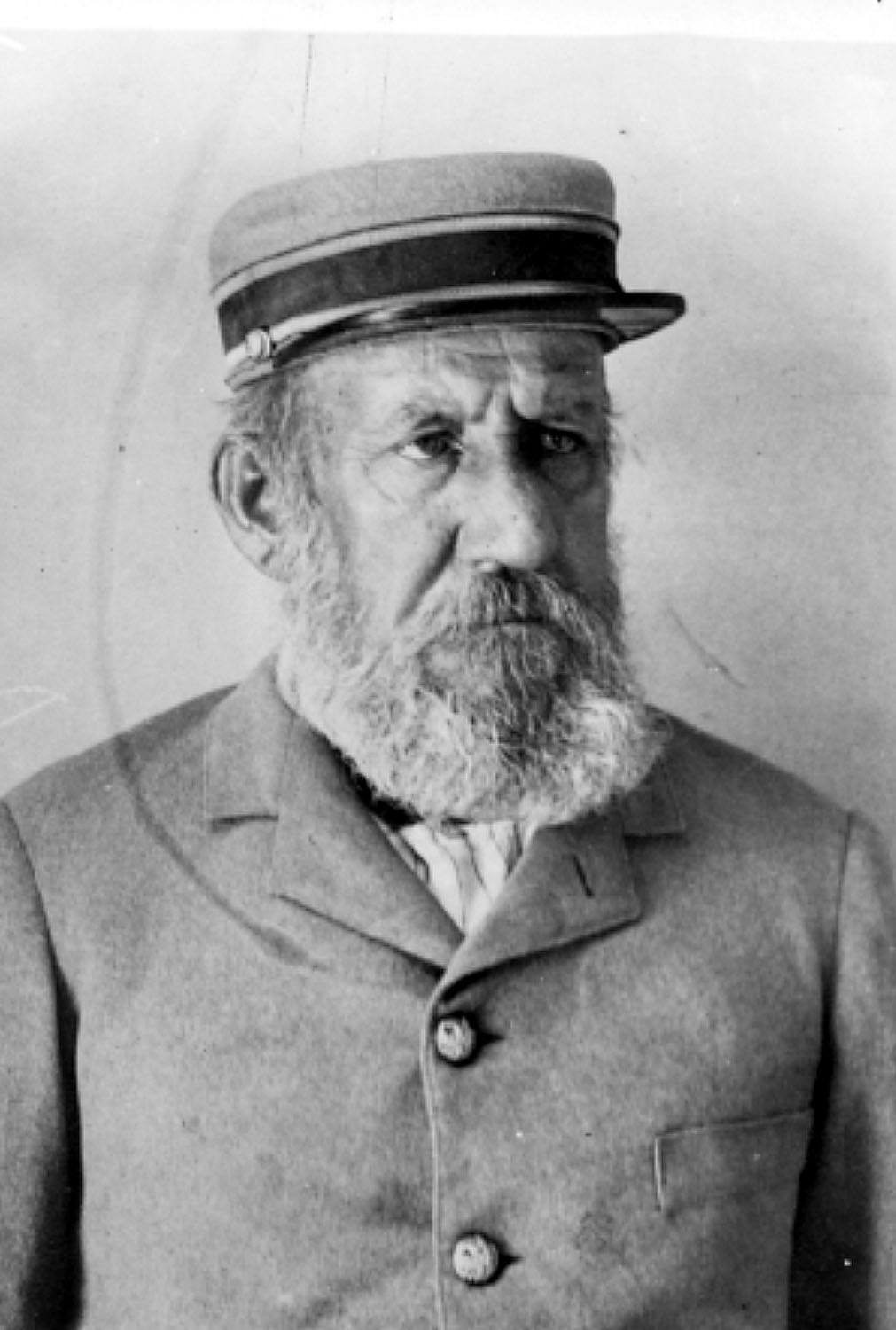
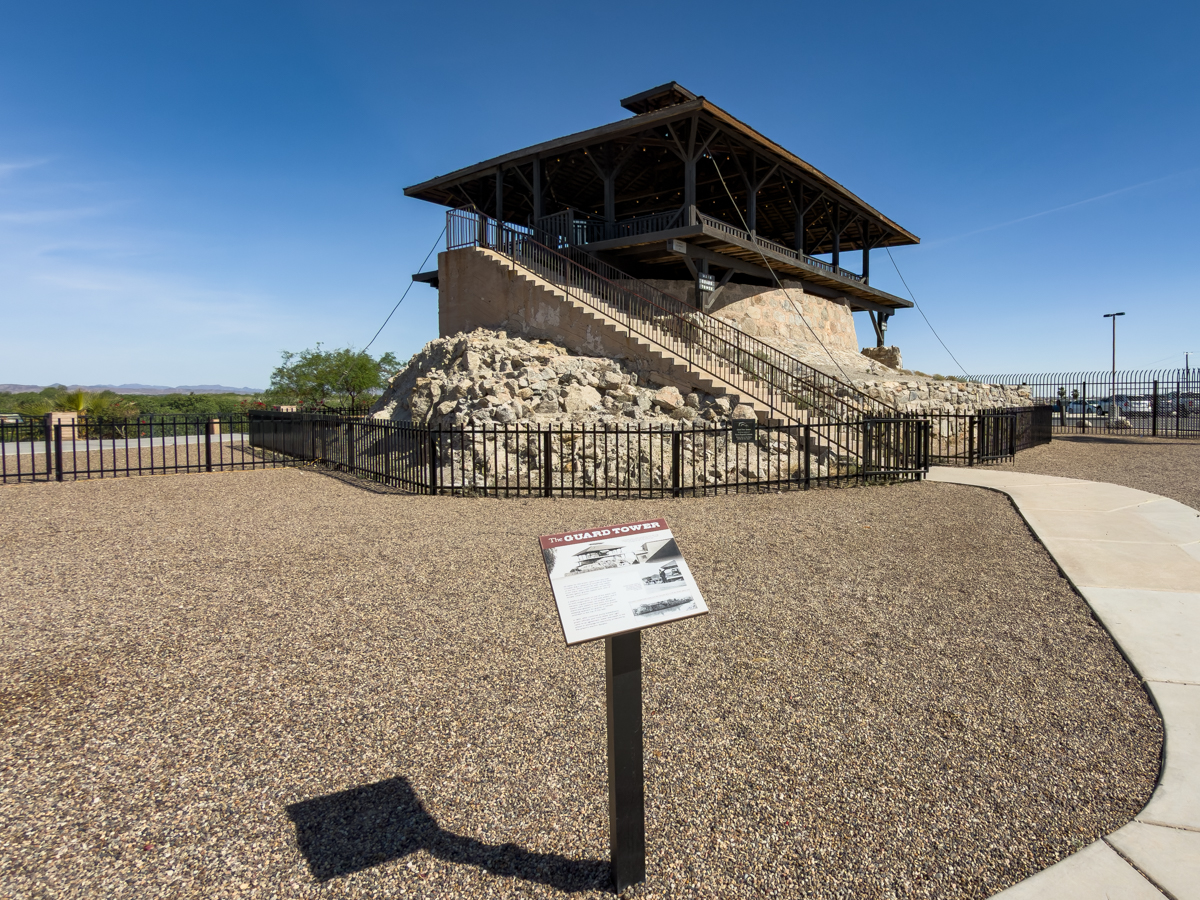
B.F. Hartlee, the tower guard, ended the Gates Riot with skilled marksmanship, saving Thomas Gates’ life.

A few people help hold the story together. Medora Ingalls stands out because she represents the prison’s reform-minded side.
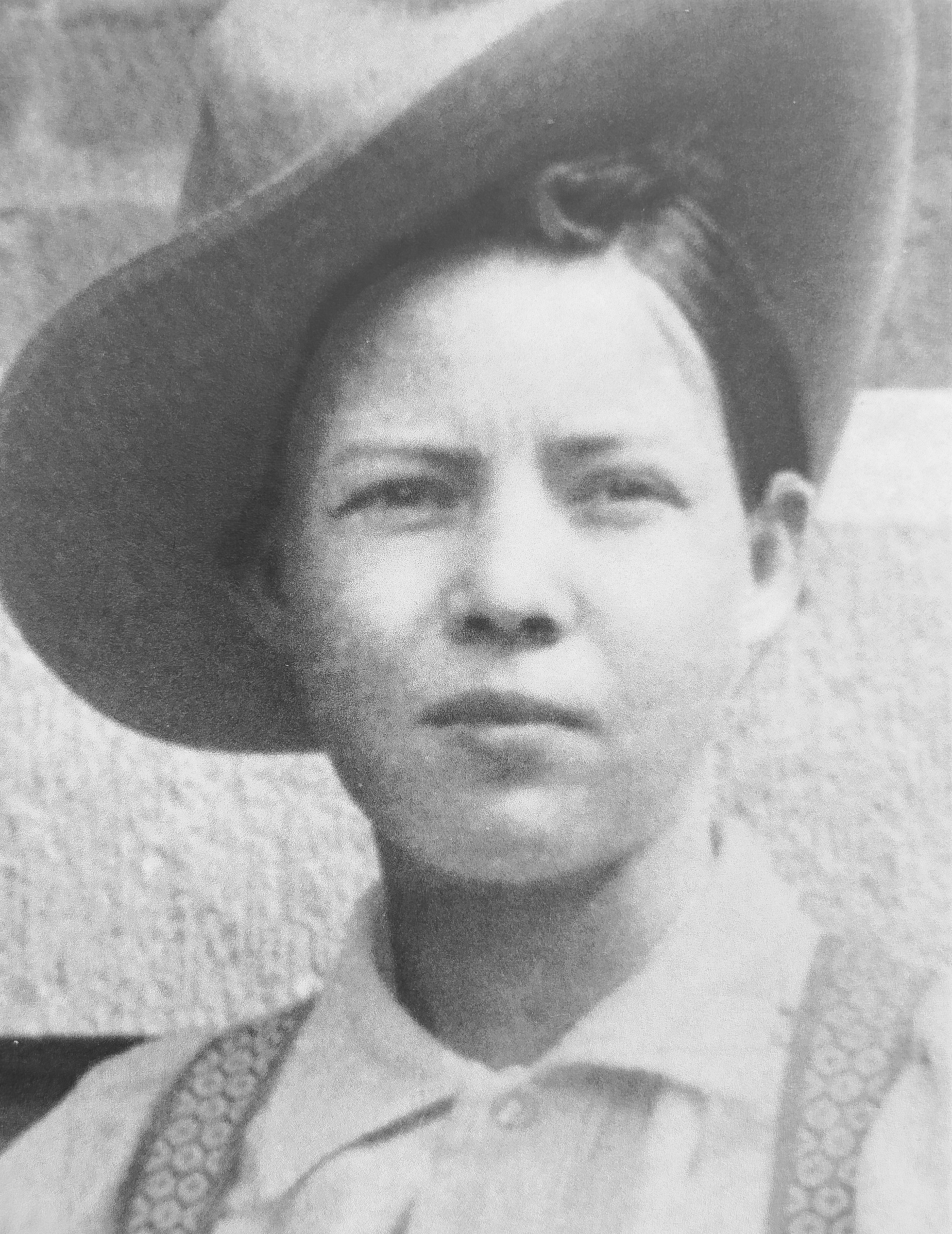
Prisoner Pearl Hart, who disguised herself as a boy during stagecoach robberies, still draws attention because her fame adds to the legend and shares the prison’s lesser-known history of women inmates. She enjoyed some notoriety and earned an early release from prison.
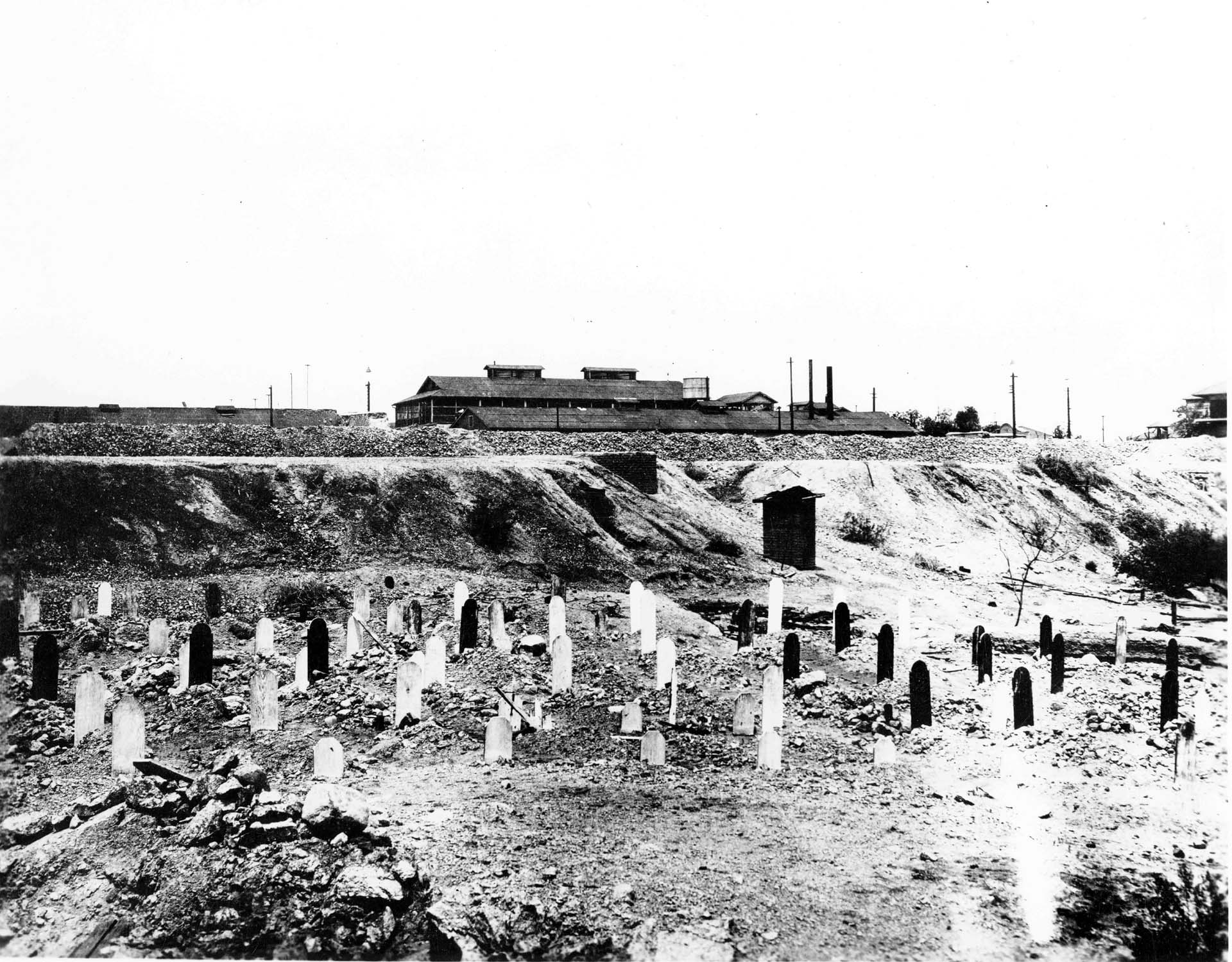
During the prison’s operations, 111 prisoners died, and 104 were buried in the cemetery outside the main gate. Family members claimed seven bodies and took them elsewhere.
The original markers disappeared over time from weathering or were taken as souvenirs.
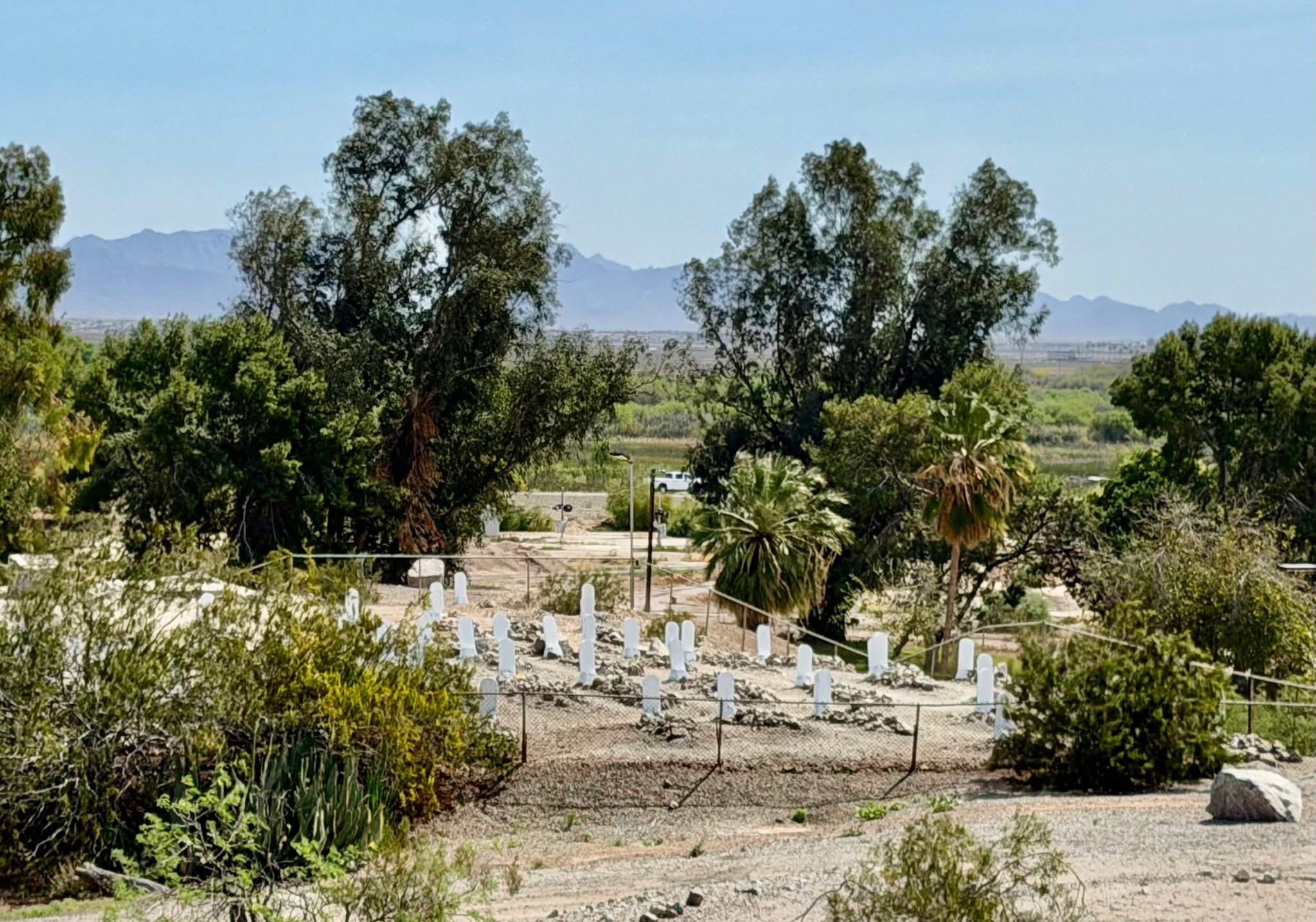
The new markers, crafted by local Marines, were installed the day after my visit, before the Marines shipped out for foreign duty.
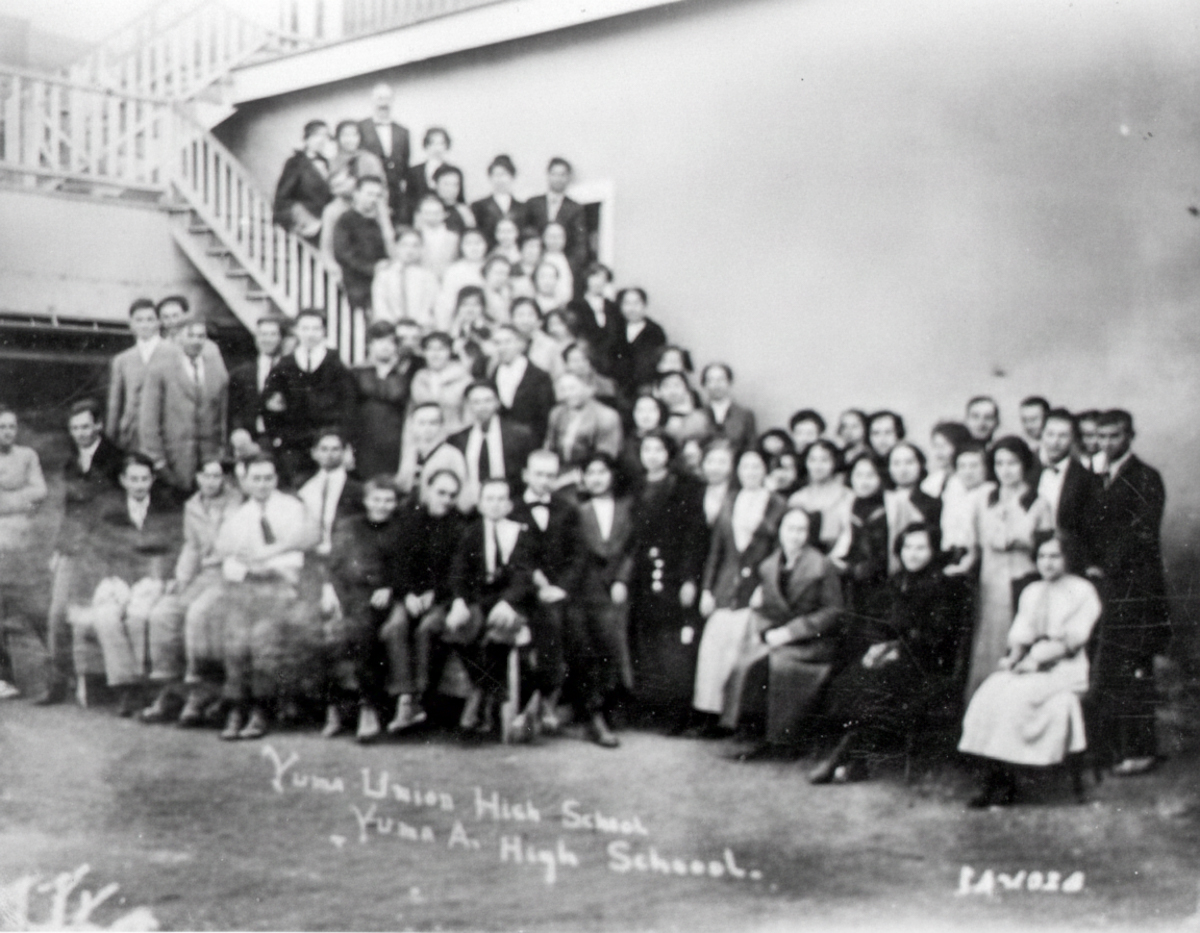
After the prison closed in 1909 due to overcrowding, the buildings served as Yuma High School from 1910 to 1914, and the school's mascot, the Yuma Criminals, was named after the prisoners.
Local preservation efforts helped turn the site into a museum. The town banded together to preserve the prison in the 1940s, with Clarissa Windsor as the first historian and curator.
Ongoing restoration actions and community involvement keep the story alive, leading to the prison's 150th anniversary in 2026. Preservation is a key part of its identity.
The prison has been featured in multiple movies, including "The Badlanders,” "The Three Musketeers,” and the recent “Ambush at Dark Canyon,” which was shot with an iPhone.
The prison's history includes voice-over work for movies, with our guide, Ace Crye, providing the voice for Phineas Clanton.
Yuma Territorial Prison Museum has a strong reputation as a haunted place. Ghost tours and spooky events lean into stories about former inmates, a grieving woman near the river, and a child in a red dress. Believe it or not, that paranormal experience is now part of the museum’s identity.
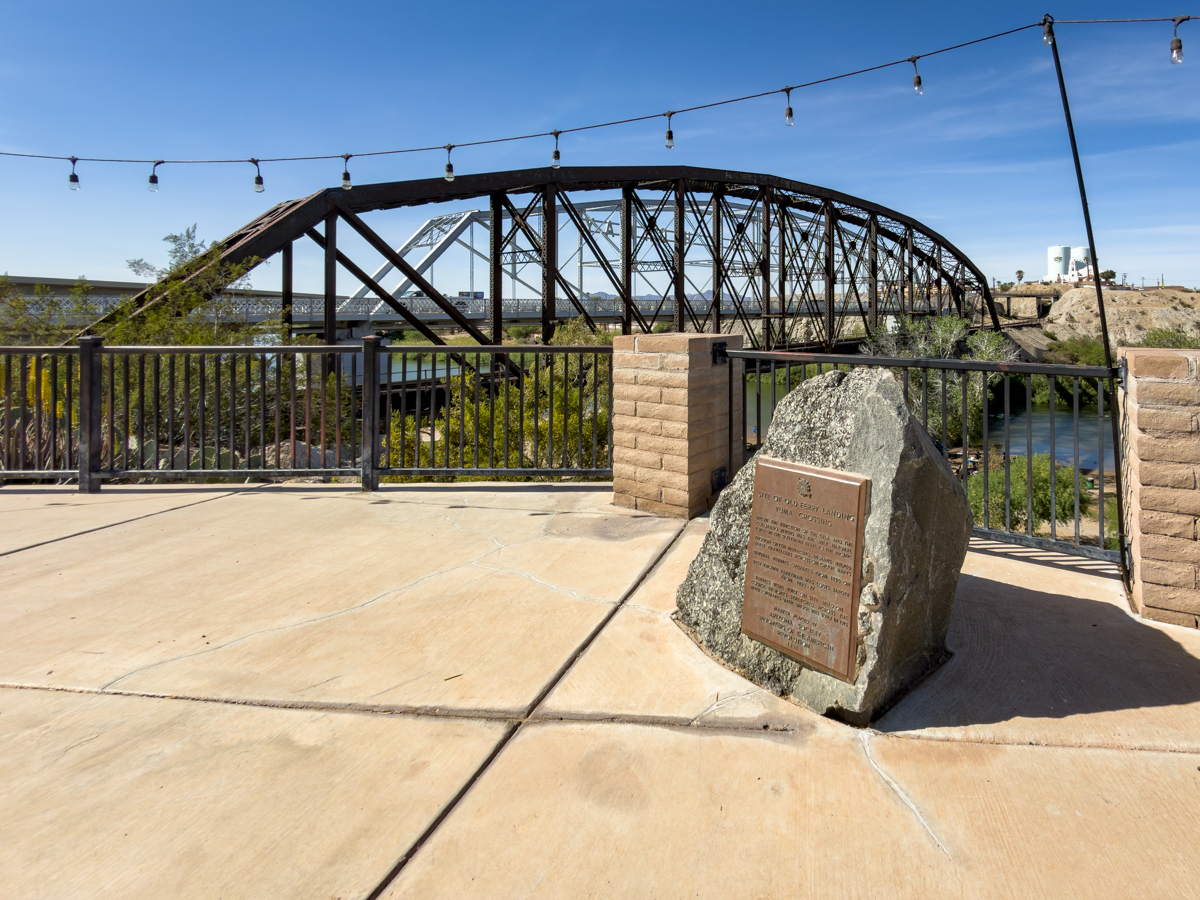
Yuma Territorial Prison stands out today as both a vital cultural site and a model for maintaining history through community effort and interpretation.
Open 7 days a week
Summer Hours: 8:30 am – 4:00 pm (June 1 to September 30)
Seasonal Hours: 9:00 am – 4:30 pm (October 1 to May 31)
Park Entrance Fee
Adult (14+): $10.00
Youth (7-13): $7.00
Child (0-6): Free
Confirm hours and fee at the Arizona State Parks website.
Yuma Territorial Prison State Historic Park
220 N. Prison Hill Road
Yuma, AZ 85364
928-783-4771
The writer was hosted.
* * *

Julie Diebolt Price is a seasoned photographer, author, and travel writer with over 35 years of experience. Her diverse career spans travel, documentary, corporate, stock, and event photography.
As a business entrepreneur, she leverages her extensive experience in various industries to teach aspiring photographers and business owners the essentials for success.
Julie focuses on what matters, learns by doing, and isn’t afraid to break a rule or two along the way.
Learn more at PhotoTravelWrite.com.
julie@jdpphotography.com