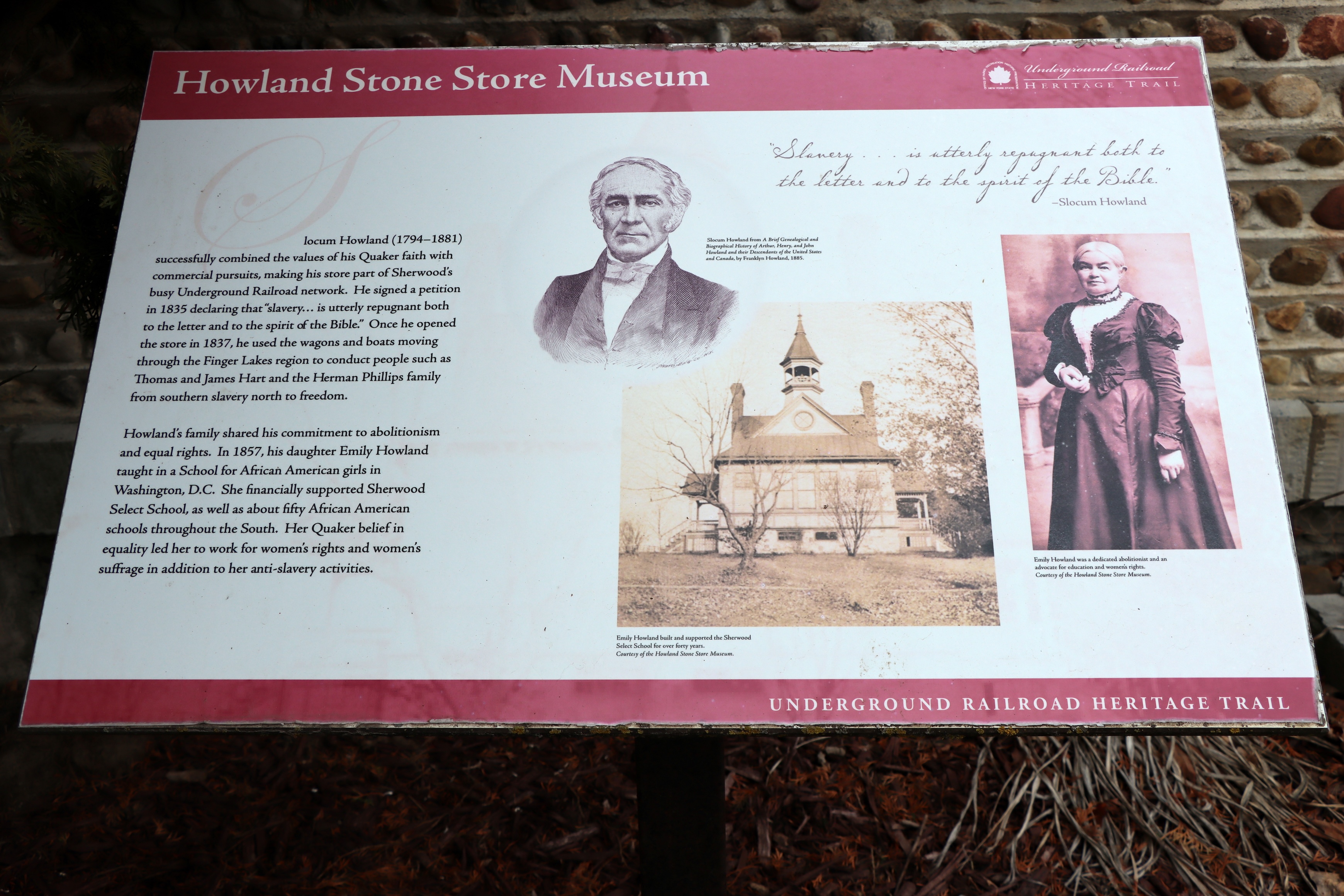
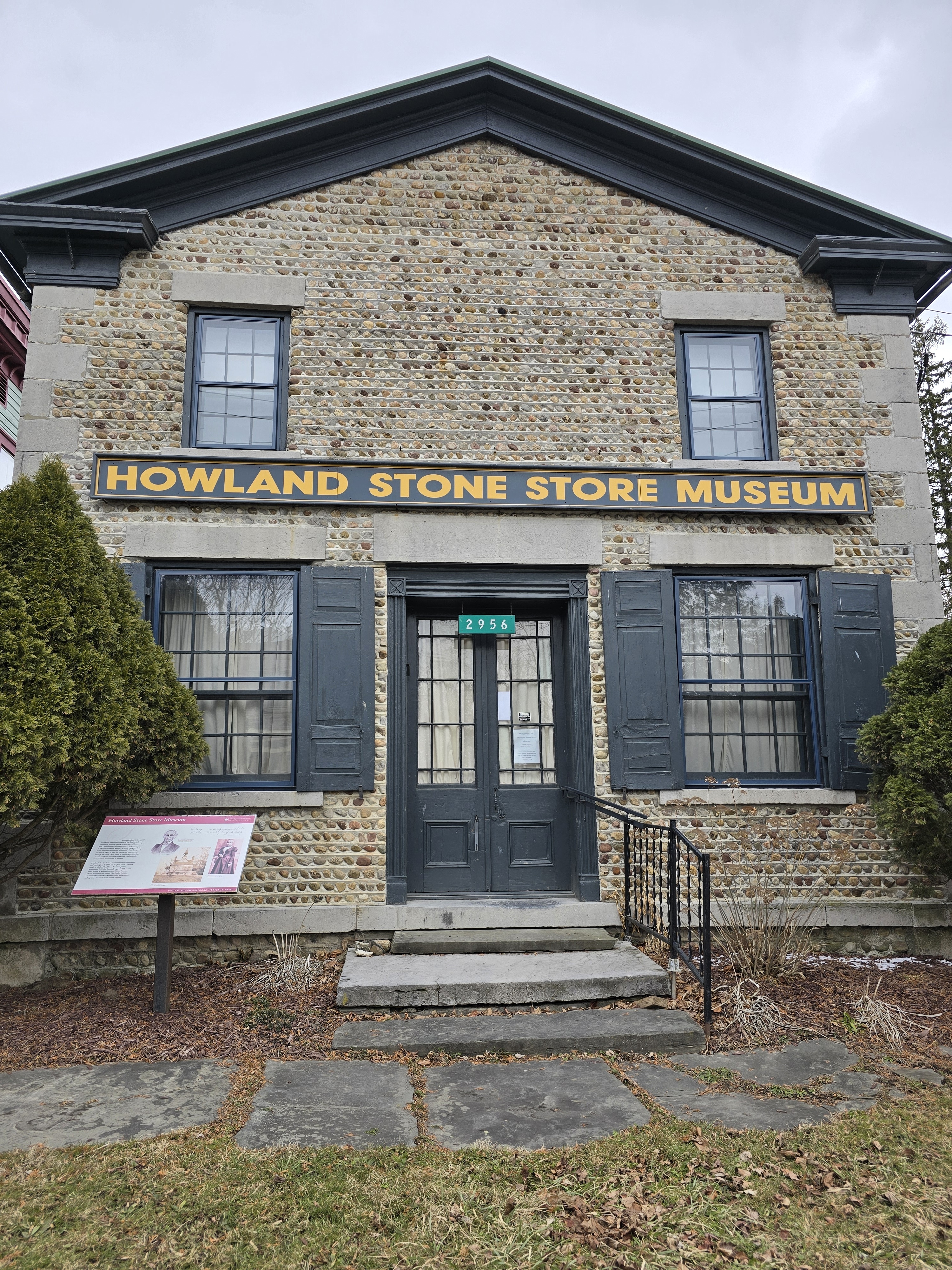
Slocum Howland was the son of pioneer Benjamin Howland. His cobblestone store was built in 1837 and was intended to serve the local community and regional businesses. I was very interested in visiting – for a few reasons. Slocum was a fierce advocate for the equality of all and took part in the Underground Railroad, using his many connections to help shelter freedom seekers and ensure they reached safety along their journey. The family belonged to the Society of Friends. Quakers began pushing for the end of slavery in the late 1600s, and formally petitioned Congress for abolition in 1790. They were also involved with the suffrage movement – I’ve been interested in learning about both since I was a kid.
Emily Howland was the only daughter of Slocum and his wife, Hannah. She was also a Quaker humanitarian and educator. From 1857 to 1859, she taught at the Normal School for Colored Girls, also known as the Miner School for Girls, in Washington, D.C. She became heavily involved with formerly enslaved African Americans in Virginia during and after the Civil War, where Emily taught them how to read and write. During her lifetime, she either founded or supported more than 50 schools for African Americans in the South.
She returned to Sherwood, NY, in 1870, continuing her work. In 1872, she founded the Sherwood Select School, becoming the consulting head until she was 100! She passed away at 102 but left a vibrant legacy for future generations to follow.
I’d also read somewhere that inside the walls of what is now a museum, there was a ‘cabinet of curiosities’ exhibit on the upper level. I’d never even heard the term before! You know me, my ears perked up, and I said “Yes!” when I was invited to climb a steep staircase to check it out.
The store is gorgeous outside – built of cobblestones in a distinctive regional style. Between 1,000 and 1,200 cobblestone structures were built in North America during the period from the completion of the Erie Canal to the end of the Civil War. There are about 170 cobblestone buildings in Wayne County alone – and that’s where I first saw them and fell in love with their charm and uniqueness.
It was interesting to learn that, depending on the size of the home, builders would use between 3,500 and 7,800 cobbles to face just the front of the house! Just for a point of reference – a cobblestone typically fits in your hand. A talented mason could usually lay about 18 to 24 inches of wall during his 10-12-hour day. Can you imagine how long it must have taken him to construct a home with stones that size? And, he was paid $1.00-$1.50 a day, plus a place to stay. In today’s world, that meant he was paid, at most, $38.15 an hour. Doesn’t seem right, for all of the craftsmanship he lent to the project, does it?
I loved walking inside, learning more about the Quaker family, how they treated every person as an equal, and how they advanced so many causes, including women’s rights, education, and the abolitionist movement. I gasped when I spied a rare Underground Railroad pass on display, and I grinned when I learned the museum also carries one of the largest known collections of suffrage posters. Honestly, they showcase a plethora of other related items.
It was a surreal feeling, looking over the many posters, political cartoons, and drawings which offered visitors like me a look-see into the movement’s efforts to persuade and move people to action during that perilous time in history.
On the first floor, I studied two long wooden boards. They measure about three feet long and carry inspirational mottoes. One said, “Remember thy creator in the days of thy youth,” and the second one declared, “What man has done may be done by man.” The docent who was showing me around the store explained that the signs had once hung in a local home, which had been established in 1871 as Sherwood, New York’s first school. The motivating words had hung on the schoolroom wall for, get this, nearly 150 years!
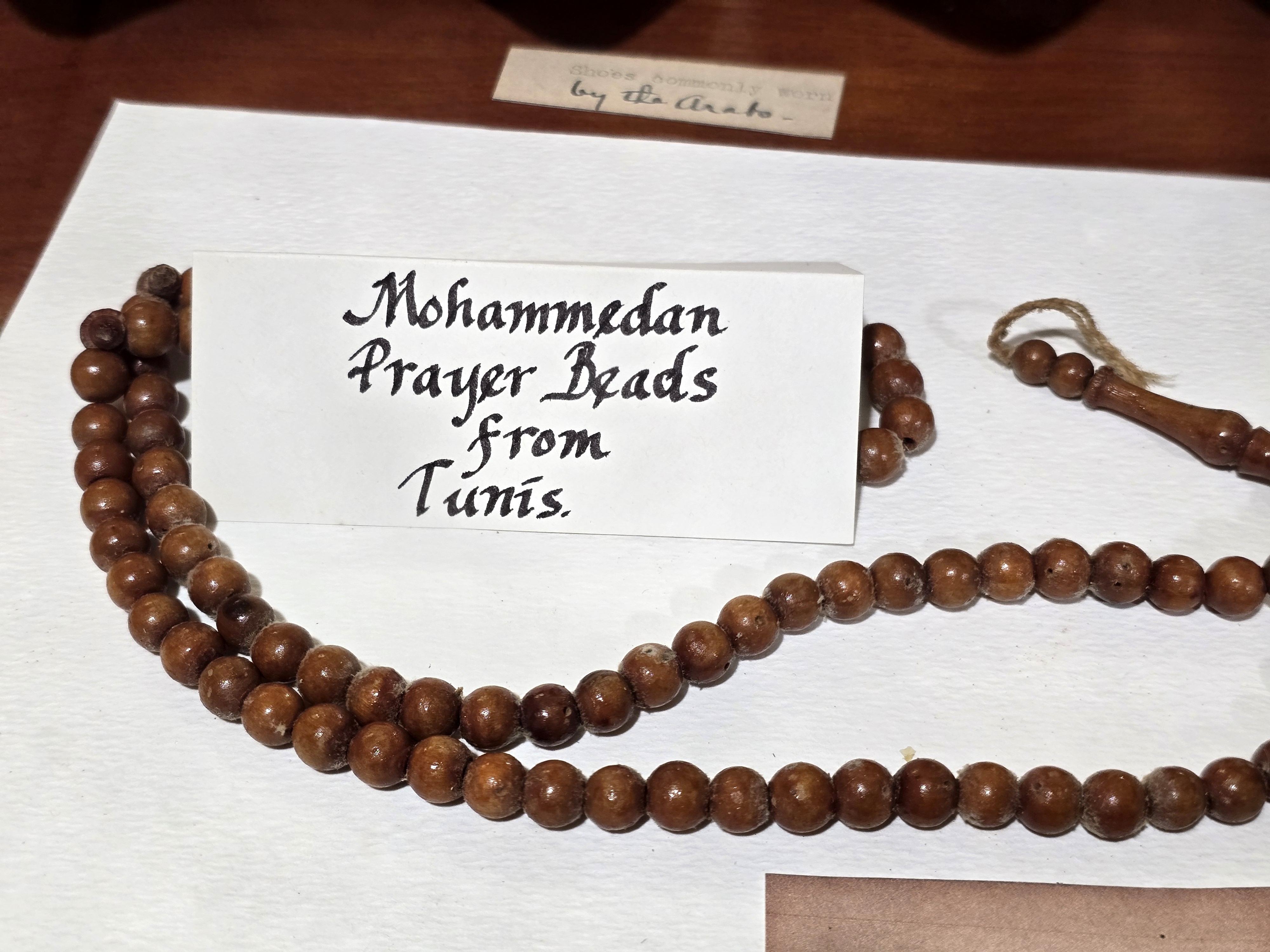
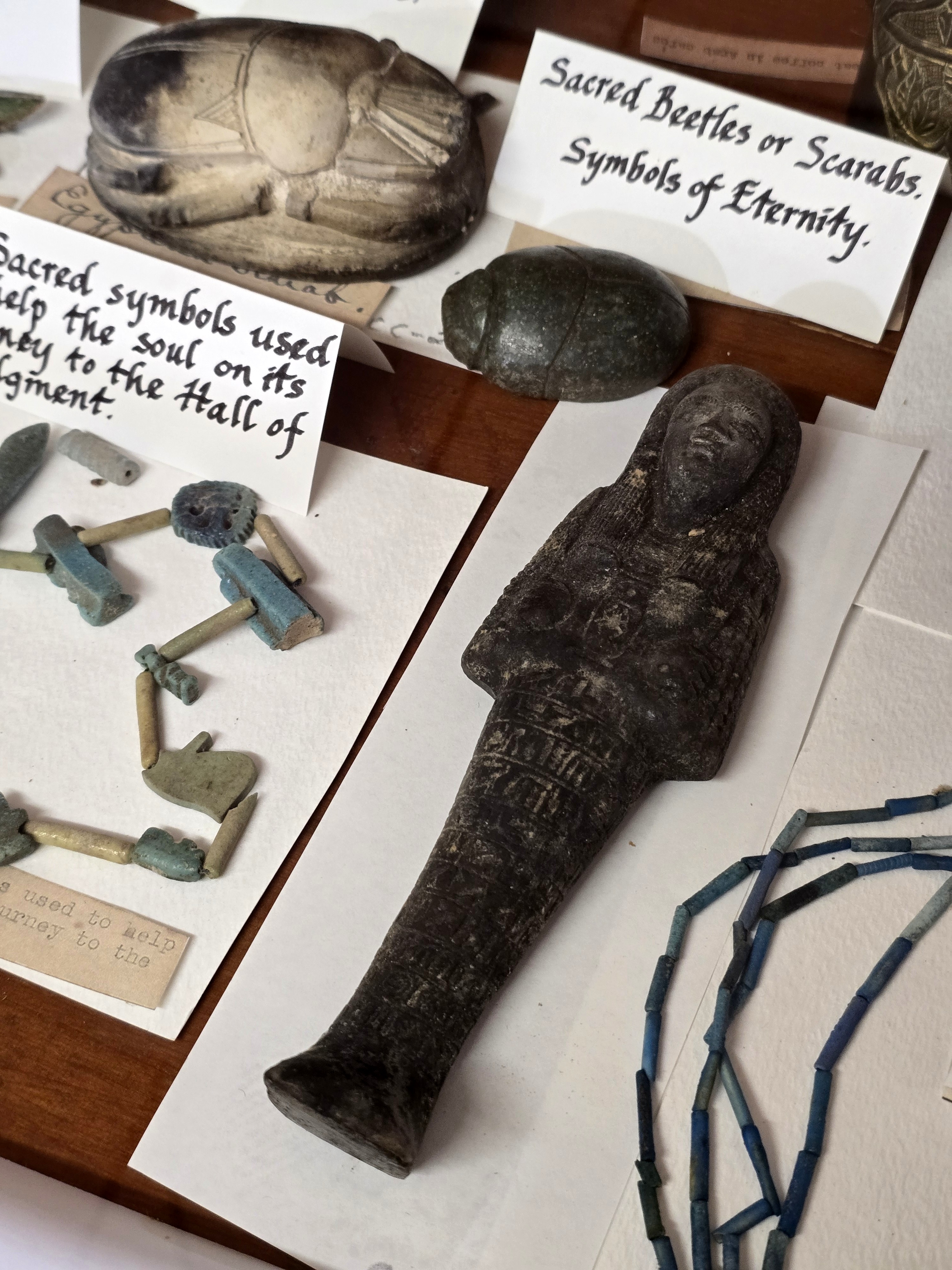
When the docent invited me to see the “cabinet of curiosities,” I was very excited. The term was new to me, and she could tell from the expression on my face that my interest had been piqued. “These have been around for centuries,” she told me. “By definition, the phrase means a collection of objects. Maybe they’re focused on natural history, geology, ethnography, archaeology, or even religious and historical artifacts. It might even be a combination of all.” She shared that most curiosity cabinets are limited to folks who have the time and means to create and maintain them.
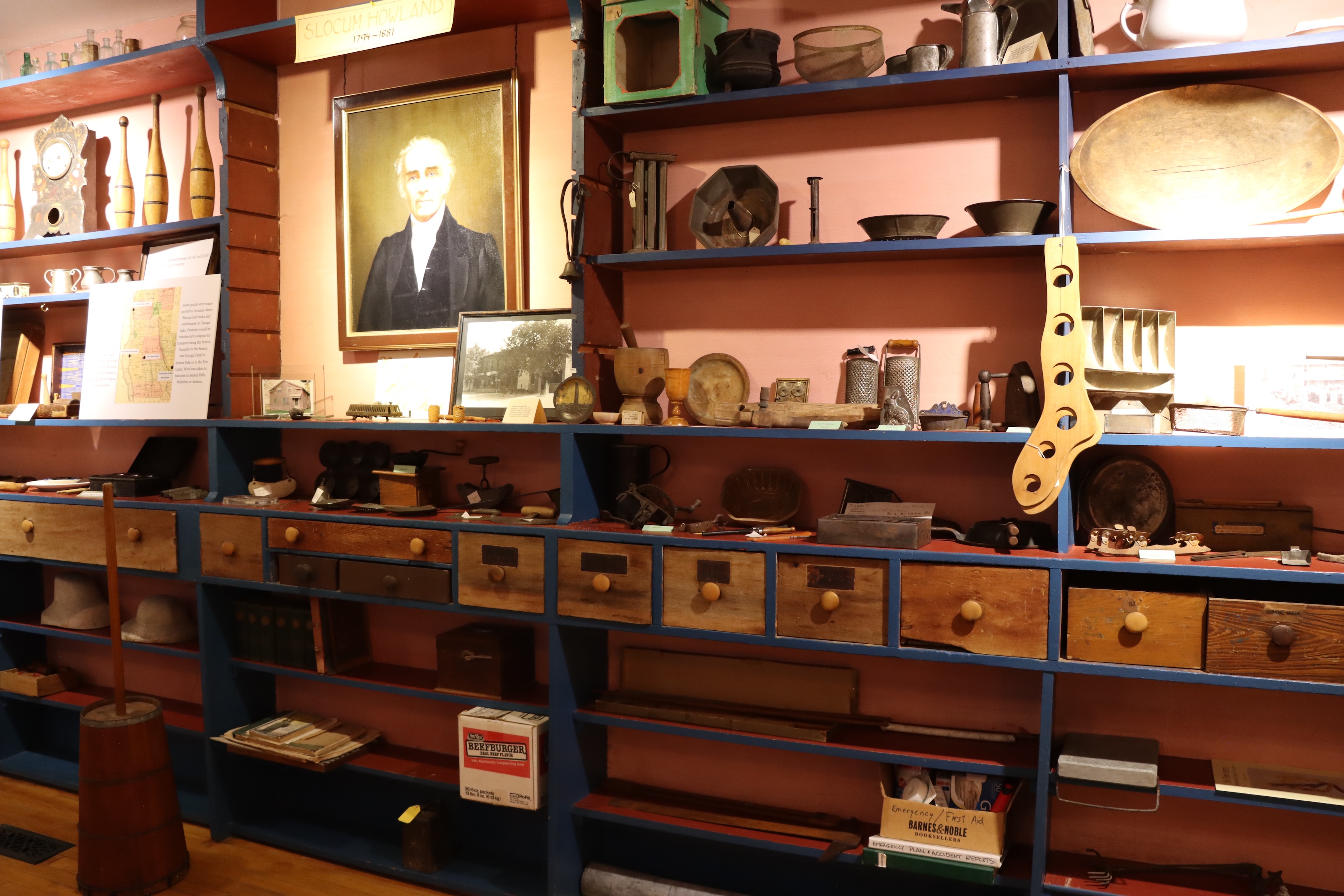
Emily Howland and her niece, Isabel, both of whom had never married, fell into that category. “They had the wherewithal to travel all over the world during the late 19th and early 20th centuries,” the docent states as we walk into a large open room overflowing with wood and glass cases. When I say that the items in each were categorized and clearly named, believe me, they were. You could tell that hours and days, weeks, months, and years had gone into organizing the vast collection. I was in awe.
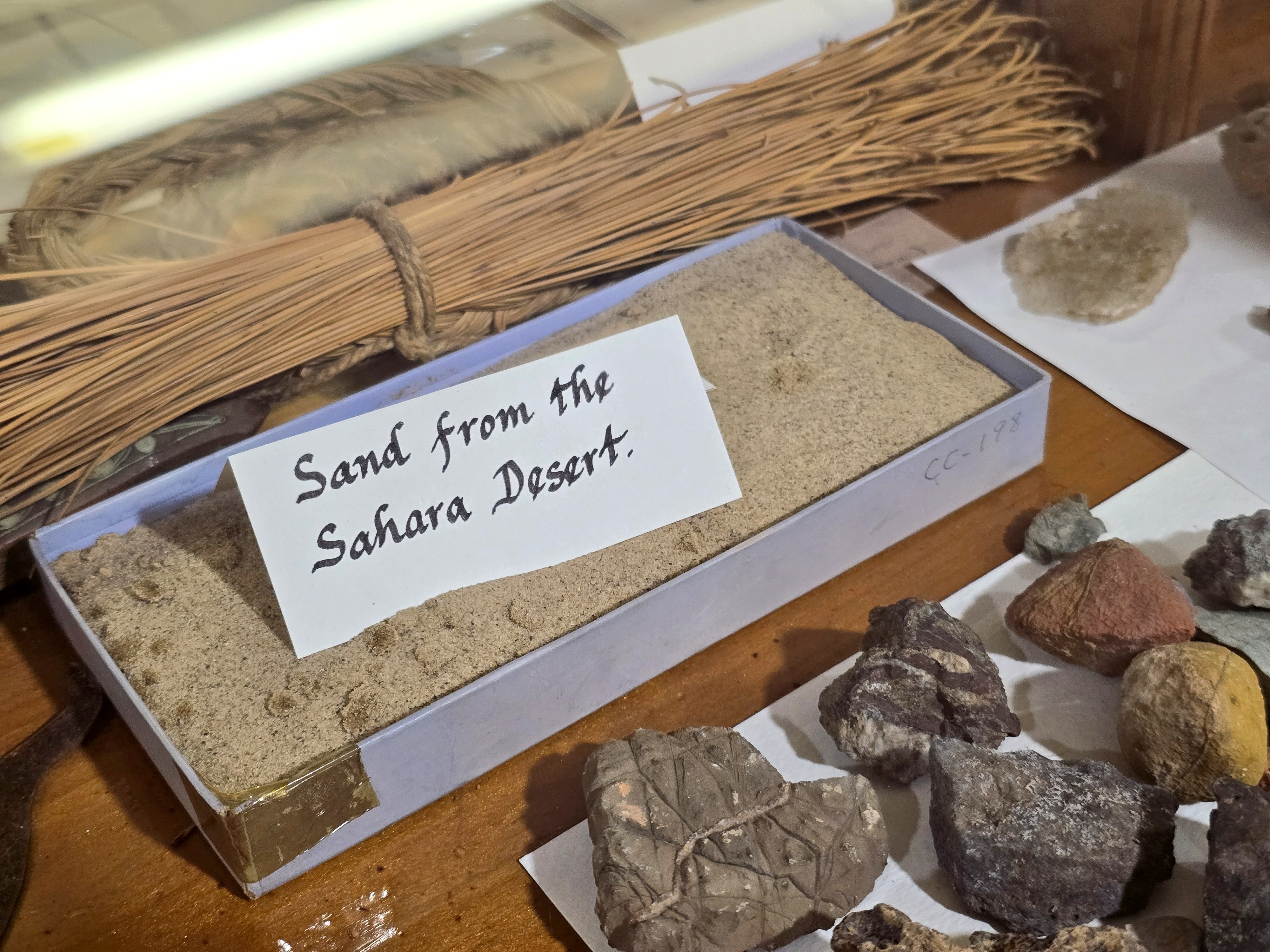
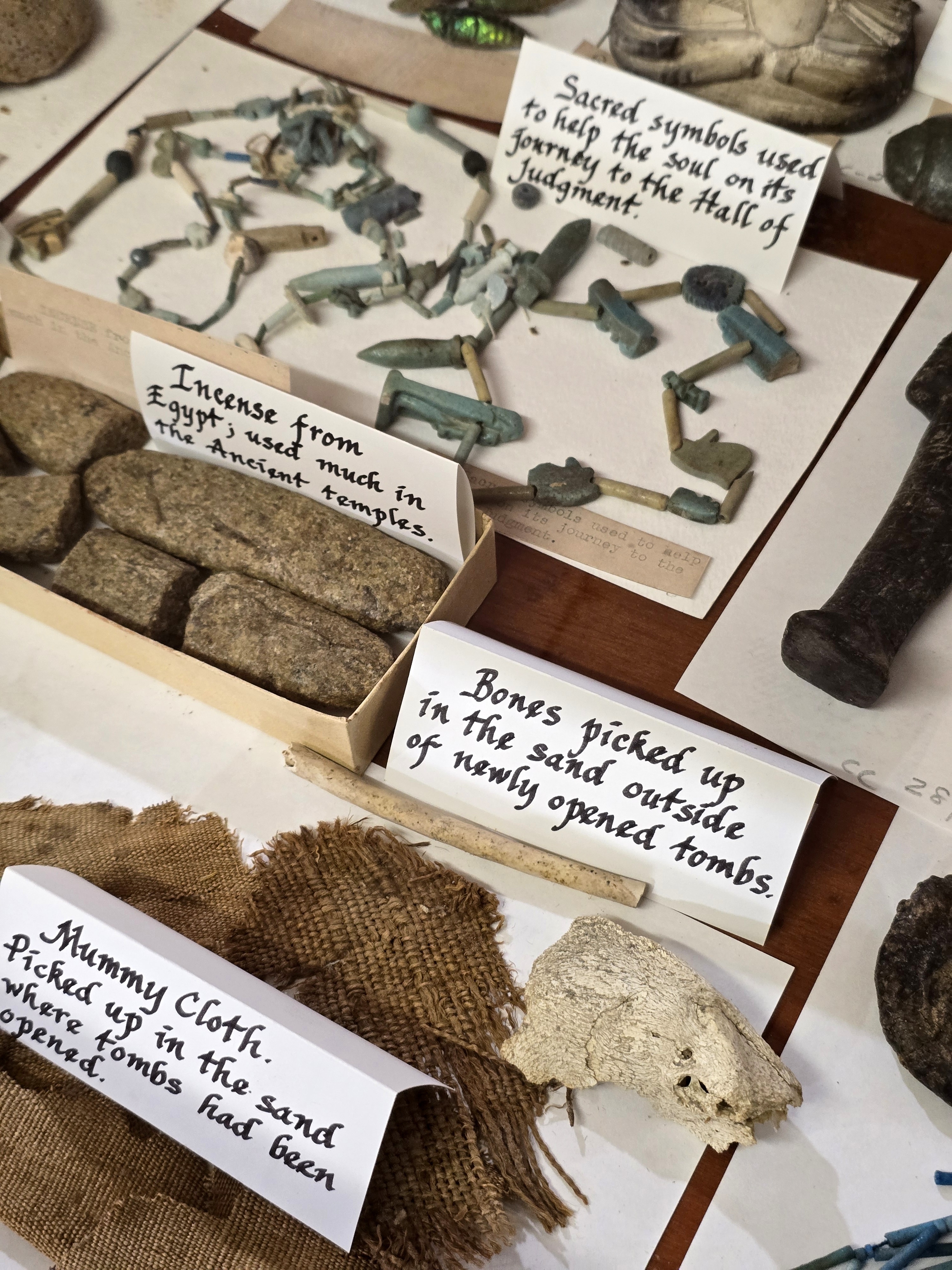
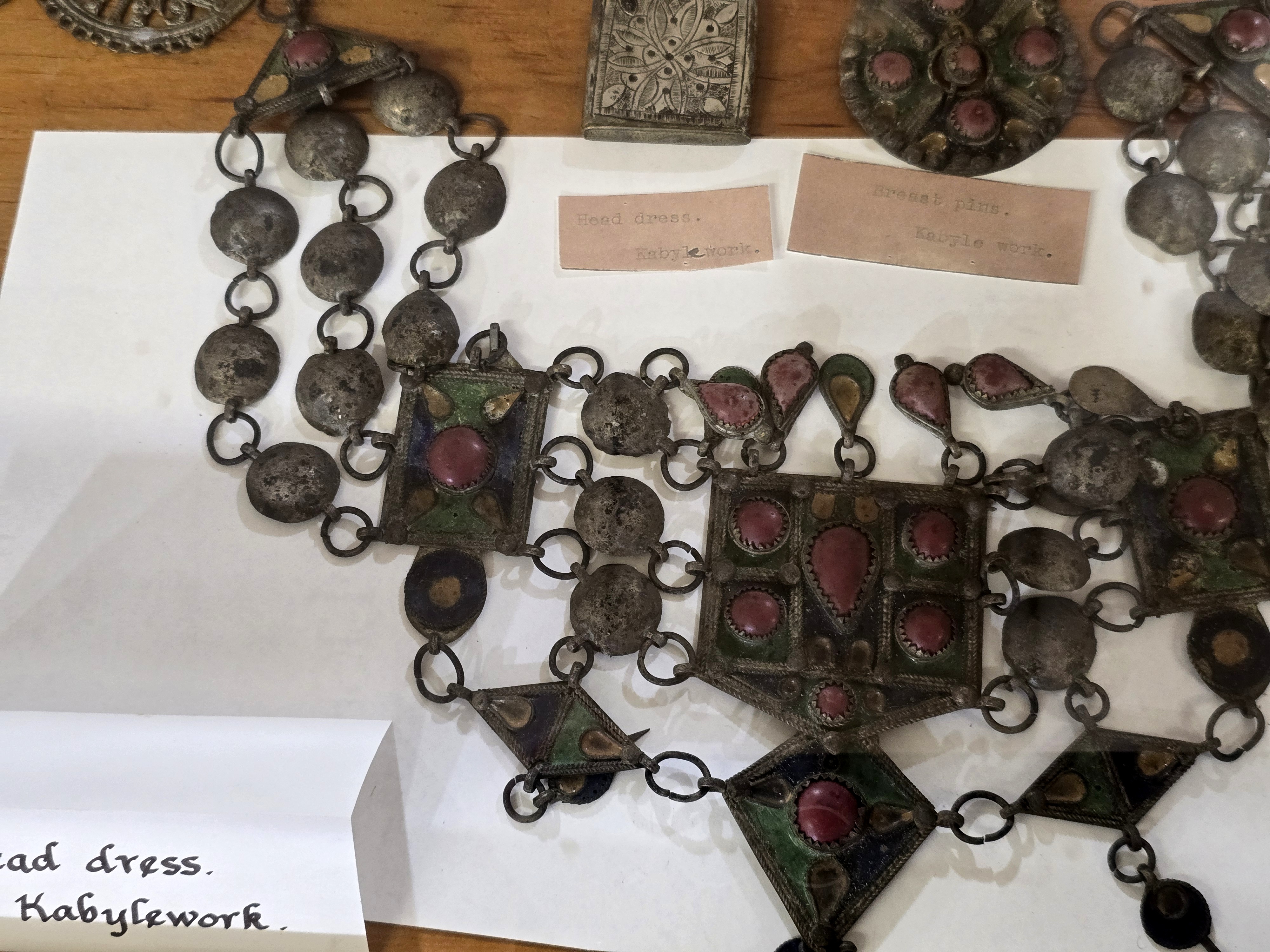
There were sacred symbols used to help the soul on its journey to the Hall of Judgment. I spotted a small box filled with sand from the Sahara Desert, a small piece of marble from the floor of the Temple of Zeus in Olympia, Greece. I fell in love with a handcrafted doll made by the Seminole Indians in Florida, dated 1929. Arabic writing from the Mahdi’s Bible, Mohammedan Prayer Beads from Tunis, beautiful shells from the vicinity of the Fountaine Channel, Scarabs, and various pieces of jewelry are just a few of the thousands of artifacts meticulously displayed there.
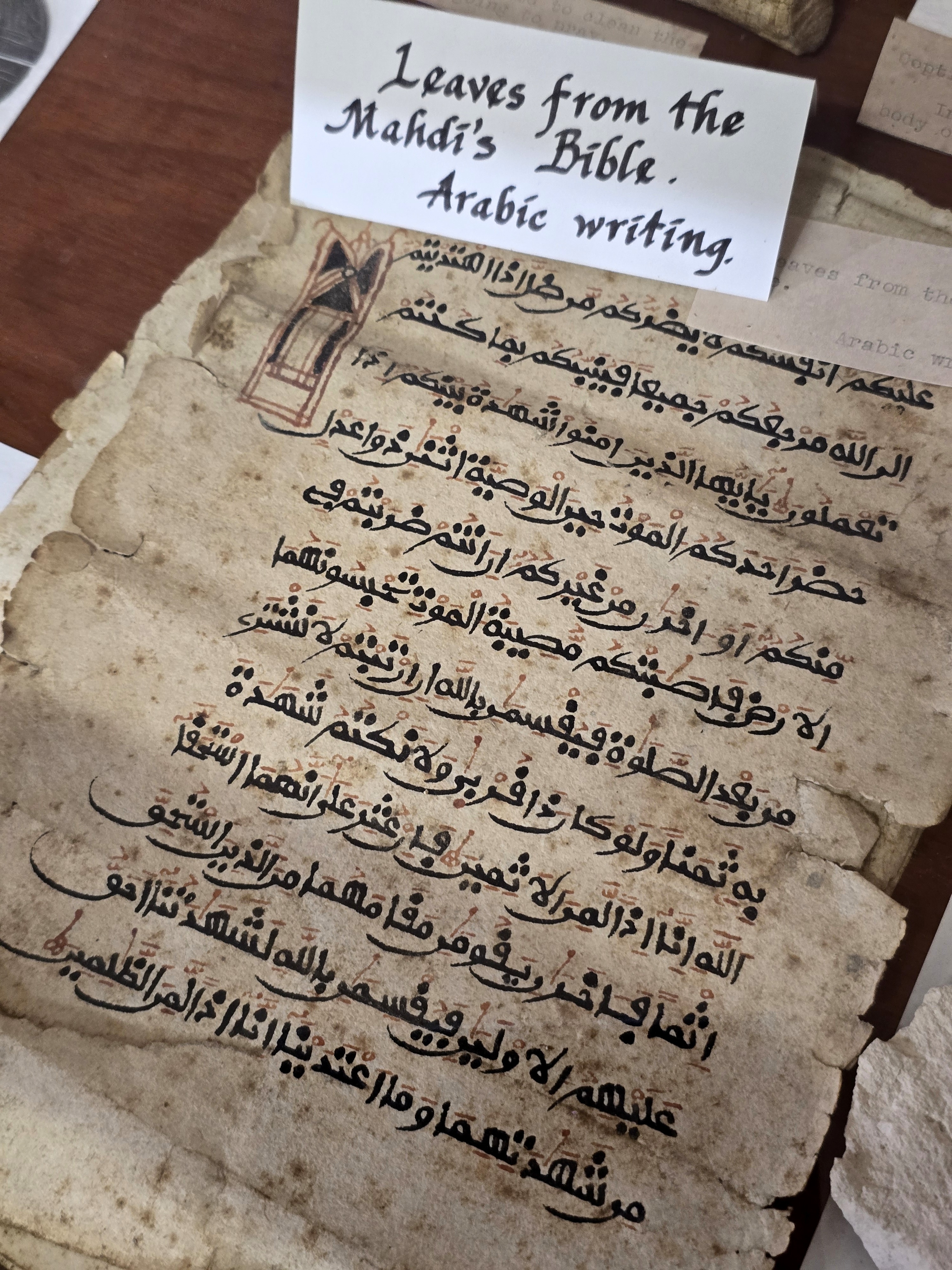
Can you find the seagrass the two women brought back from the Sandwich Islands, now known as Hawaii? How about pistachio nuts from the Holy Land, a Syrian horseshoe, and a Confederate $2 bill? I saw locusts – but never knew that they were considered an Arab delicacy until then. There was also a 100-year-old piece of pita bread. Yes, you heard that right. I wouldn’t want to take a bite of it, though!
It was such a fun, informative visit, and it left me wondering. How many ‘cabinets of curiosities' are there in the country? The world? Have you seen any? I’m going to research it and find some others to explore and learn about. I’ll keep you posted, no worries!
Opendore was Isabel’s home. Slocum’s granddaughter was also a philanthropist, teacher, and suffragist. She rebuilt her childhood home and named it “Opendore” because she was determined to open it to the surrounding community. Isabel graduated from Cornell. Following a path similar to that her aunt Emily had traveled, Isabel taught at the Sherwood Select School and founded the Sherwood Library, Museum, and Hospital. If you have time, go and learn more about Opendore and its history; it's only a few steps from the museum, and you won’t regret it.
The museum will be open for regular hours, 1-4 pm on Saturdays and Sundays, beginning May 2nd, 2026.
If you want to visit during the off-season, as I did, you can call or email for information and arrange tours with a five-day notice.
Parking:
There is parking in front of the store. If you decide to visit Opendore, which is well worth a visit and tells more of the Howland family story, they have a new parking lot there.
* * *

Theresa St. John is a freelance travel writer, photographer, and videographer based in Saratoga Springs, New York. She is interested in WWII history, museums, food, slavery, the Underground Railroad, interviewing interesting people, restaurant reviews, local travel, anything ghost-related, and the Erie Canal, among other things. Theresa loves to travel and sinks her feet into the moments of places she visits. Her photography essays, along with the written word, help tell the story to readers everywhere.