Above: © Acropolis Museum, photo: Nikos Daniilidis
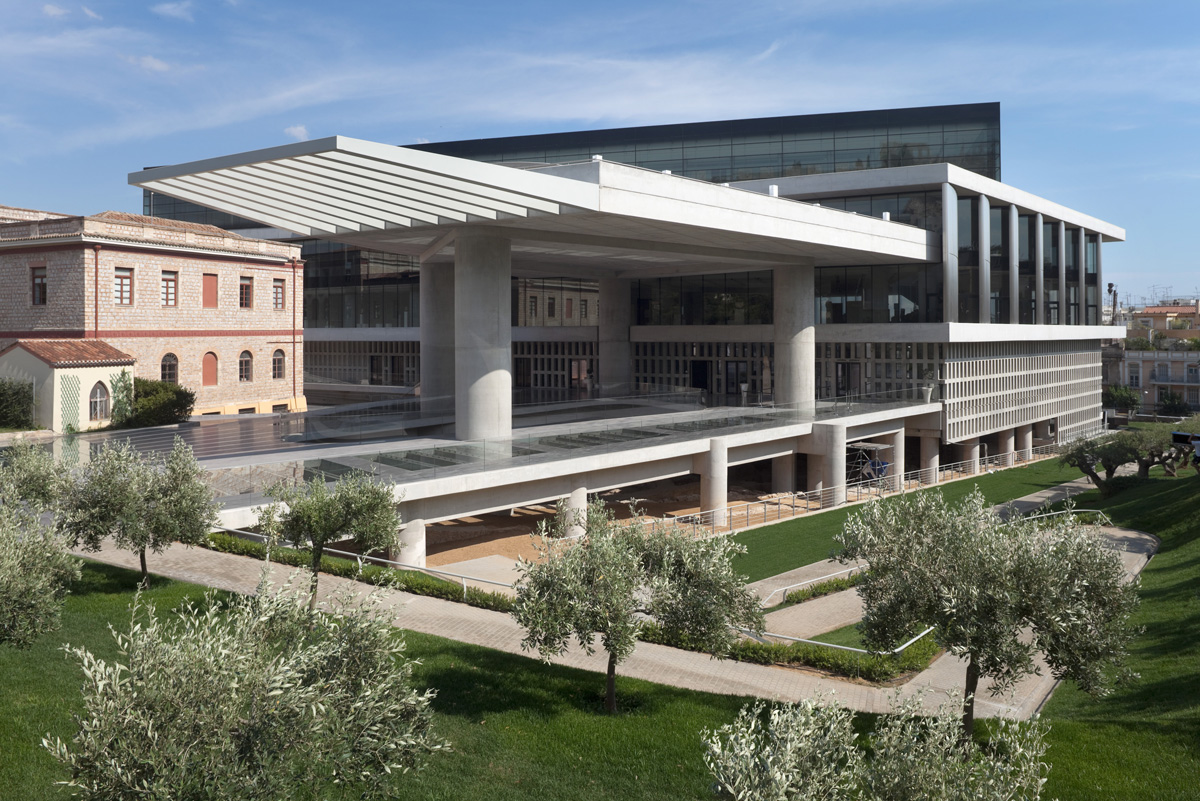
Few museums in the world make a statement as elegantly as the Acropolis Museum in Athens. A spectacular home for some of ancient Greece's greatest treasures, from the moment visitors arrive, it becomes clear that this is no ordinary museum.
For those who are unsure, the term ‘Acropolis’ includes the fortified hilltop citadel and archaeological site, whereas the ‘Parthenon’ is the famous ancient temple situated within the hilltop complex.
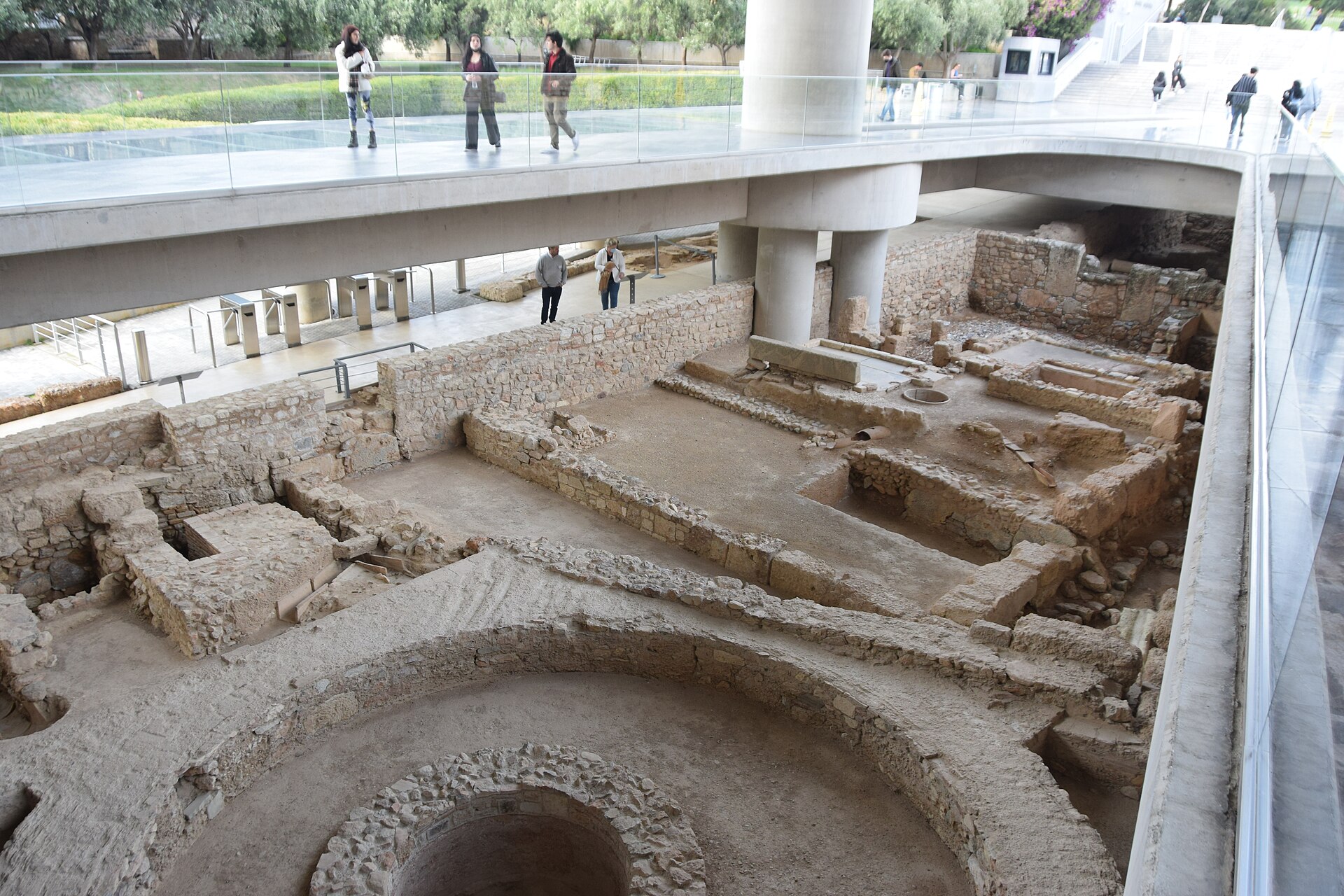
Before stepping inside, visitors find themselves looking down through vast glass panels at an ancient neighbourhood buried beneath the building. Streets, houses, workshops and courtyards from centuries of Athenian history lie preserved below their feet, creating the strange sensation of walking above a living archaeological site.
Inside, sunlight pours through the building's glass walls, creating an atmosphere that feels surprisingly open and modern. Everywhere there is a sense of connection with the city outside, and above all with the Acropolis, dominating the skyline of Athens from every angle.
The museum sits at the foot of the Acropolis, in the shadow of the Parthenon, the temple that has come to symbolise the achievements of classical civilisation. Built nearly 2,500 years ago, the Parthenon was decorated with magnificent sculptures depicting gods, heroes, battles and religious ceremonies. Together they formed one of the greatest artistic achievements of the ancient world.
Today, however, that masterpiece is incomplete. The museum's top-floor gallery is designed to recreate the exact layout of the Parthenon. As visitors walk around the space, they see where each sculpture originally stood on the temple. Some of the pieces are there in their original marble splendour. Others are represented by pale plaster casts. The contrast is impossible to miss. The originals of many of those missing pieces are more than 1,500 miles away in London.
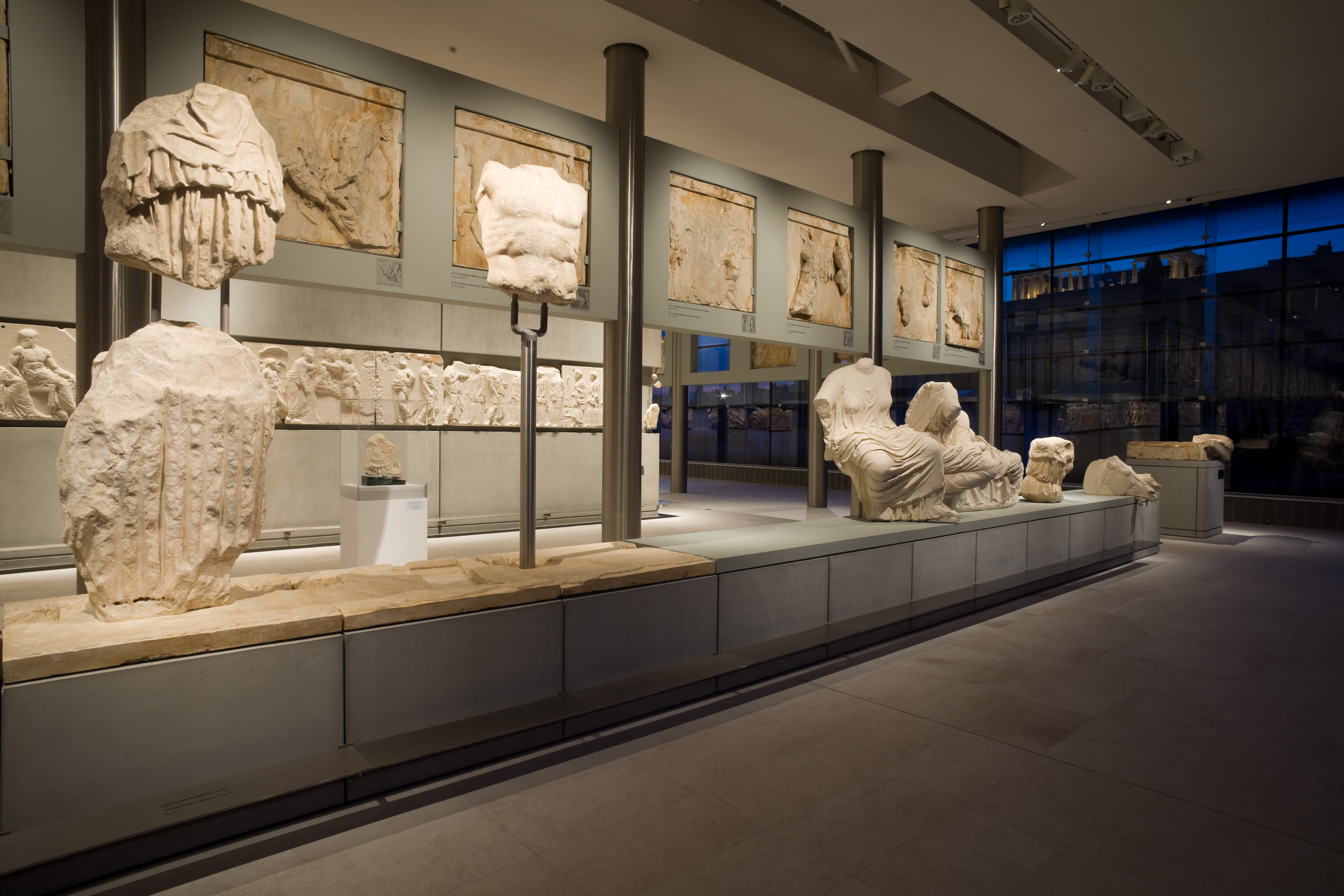
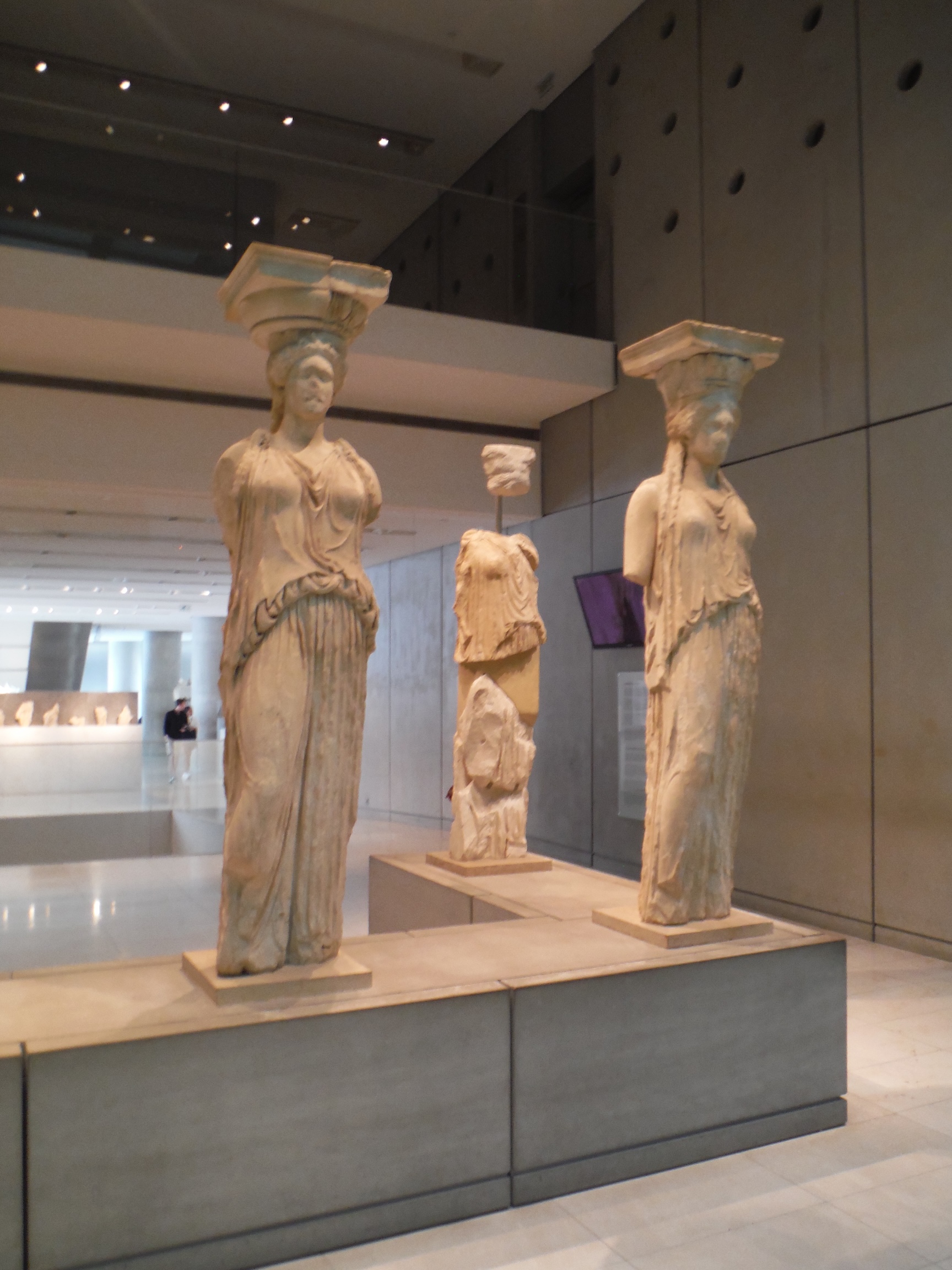
These sculptures are known as the Parthenon Marbles, although many people still refer to them as the Elgin Marbles, after the man who removed them from Greece more than two centuries ago.
The story begins at the start of the nineteenth century, when Greece was part of the Ottoman Empire. Thomas Bruce, the seventh Earl of Elgin, was serving as Britain's ambassador to the Ottoman court. Fascinated by classical antiquity, he obtained permission to study and record the monuments on the Acropolis. What happened next remains the subject of fierce debate.
Between 1801 and 1812, the Earl of Elgin's team removed large sections of the surviving sculptures from the Parthenon. Massive blocks of carved marble were lowered from the temple, packed into wooden crates and shipped to Britain. Eventually, the collection was sold to the British government and placed in the British Museum, where it remains to this day.
Supporters of Elgin argue that he acted legally and may have preserved the sculptures at a time when the Acropolis was vulnerable to damage and neglect. Critics argue that the sculptures were taken from an occupied country by a foreign aristocrat who exploited his influence. They also point out that the Ottoman rulers who granted permission were foreign occupiers and had no right to dispose of Greece's cultural heritage.
More than 200 years later, people are still arguing about who is right. What has changed dramatically is the setting in which the debate takes place. For many years, opponents of returning the marbles claimed that Greece had nowhere suitable to display them. That argument became much harder to sustain when the Acropolis Museum opened in 2009.
The museum was purpose-built with the sculptures in mind. Its most dramatic gallery is aligned with the Parthenon itself, visible through the windows just beyond. Standing there, visitors can look at the surviving sculptures and then glance up at the monument from which they came. It creates a powerful sense of connection between the objects and their original home.
The campaign to return the marbles has become one of the most famous cultural heritage movements in the world. Over the years it has attracted support from archaeologists, historians, artists, politicians and members of the public. One of its most passionate champions was the Greek actress and politician Melina Mercouri, who argued that the marbles were pieces of Greece's cultural identity.
The British Museum maintains that the sculptures belong in London. Its trustees argue that the museum provides a global context in which visitors can compare the achievements of different civilisations under one roof. They also insist that the marbles were acquired legally according to the standards of the time.
There are no easy answers, which is one reason the controversy has lasted so long. Yet for many visitors to Athens, the issue feels straightforward. As they stand in the museum's top gallery, looking from the sculptures to the Parthenon and back again, it is hard not to imagine how remarkable it would be to see the entire collection reunited for the first time in more than two hundred years.
Until that day comes the Acropolis Museum remains a place defined as much by absence as by presence. It houses some of the greatest artistic achievements of the ancient world, but it also tells a modern story about identity, ownership and the meaning of cultural heritage.
If you can visit Athens, I recommend making time to see this unforgettable museum. In the meantime, you can visit the official website at https://www.theacropolismuseum.gr/en
* * *

Tony Riches is the author of best-selling Tudor and Elizabethan historical fiction and lives in Pembrokeshire, West Wales UK. For more information see https://www.tonyriches.com/