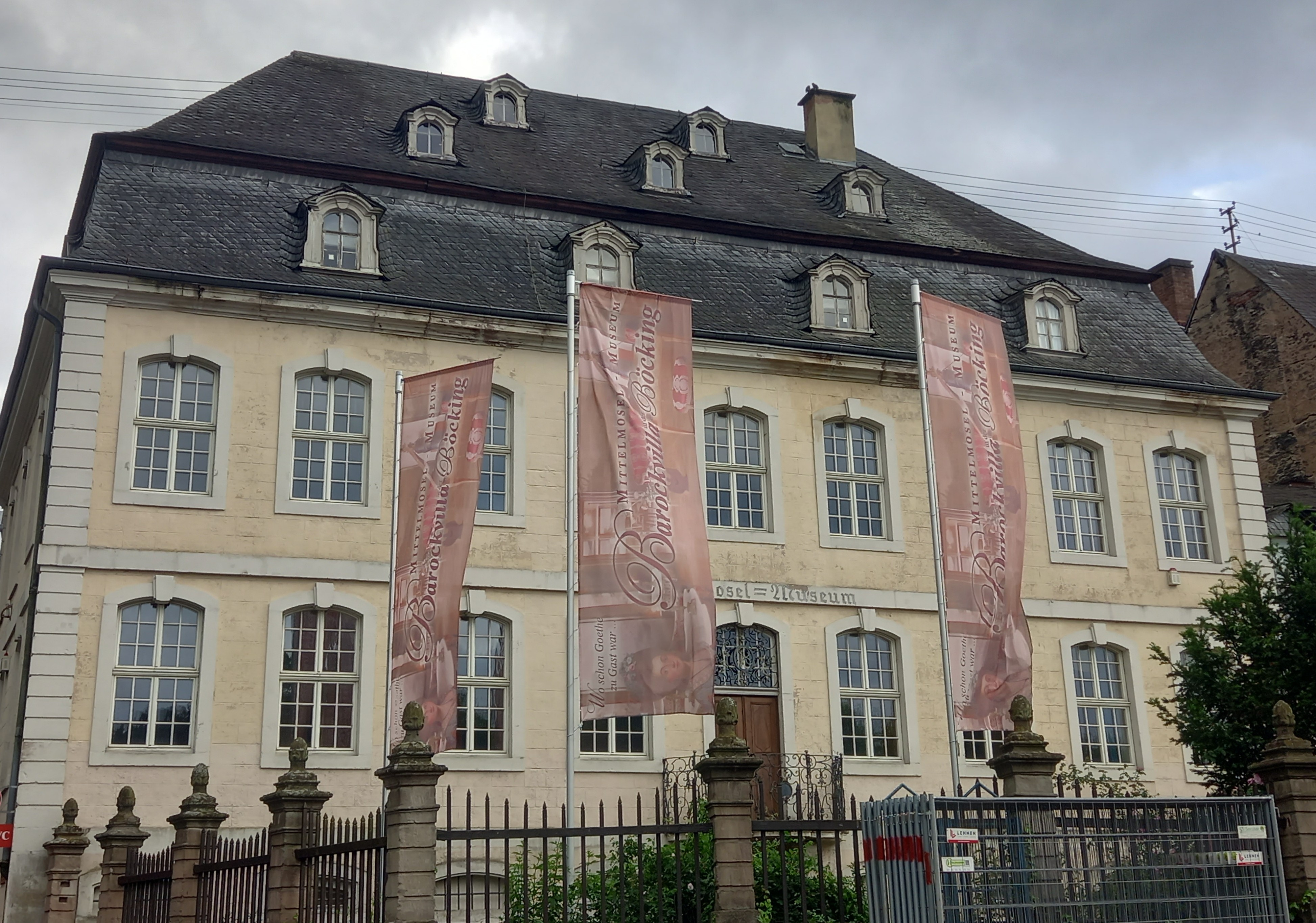
Above: Mittelmosel-Museum as seen from the Moselle promenade. Photograph: Gül Şen
The Baroque Villa Böcking, dating from the 1750s, today showcases the lifestyle of a wealthy upper-class family of the 18th and 19th centuries, as well as the local and regional history. Accordingly, it goes by the name Mittelmosel-Museum. It is owned and operated by the Municipality of Traben-Trarbach, located in the middle part of the Moselle River in western Germany. Over the centuries, the magnificent villa has seen a remarkable array of distinguished guests, including the German poet Johann Wolfgang von Goethe, the Prussian King Friedrich Wilhelm IV, and the French poet Guillaume Apollinaire, all of whom left their traces. Although the region boasts numerous museums, the Villa Böcking stands out among Baroque historic residences in the Rhineland-Palatinate, by its high-quality exhibitions, the original state of preservation, and its accessibility to the public.
The Mittelmosel Museum is located close to the banks of the Moselle River facing the ancient wine-growing city of Traben-Trarbach, which itself can boast a venerable history.
With more than twenty exhibition rooms on two floors and two attic levels, the museum allows to appreciate the lifestyle of the local middle and upper-classes during the 18th and 19th centuries, and provides some regional context.
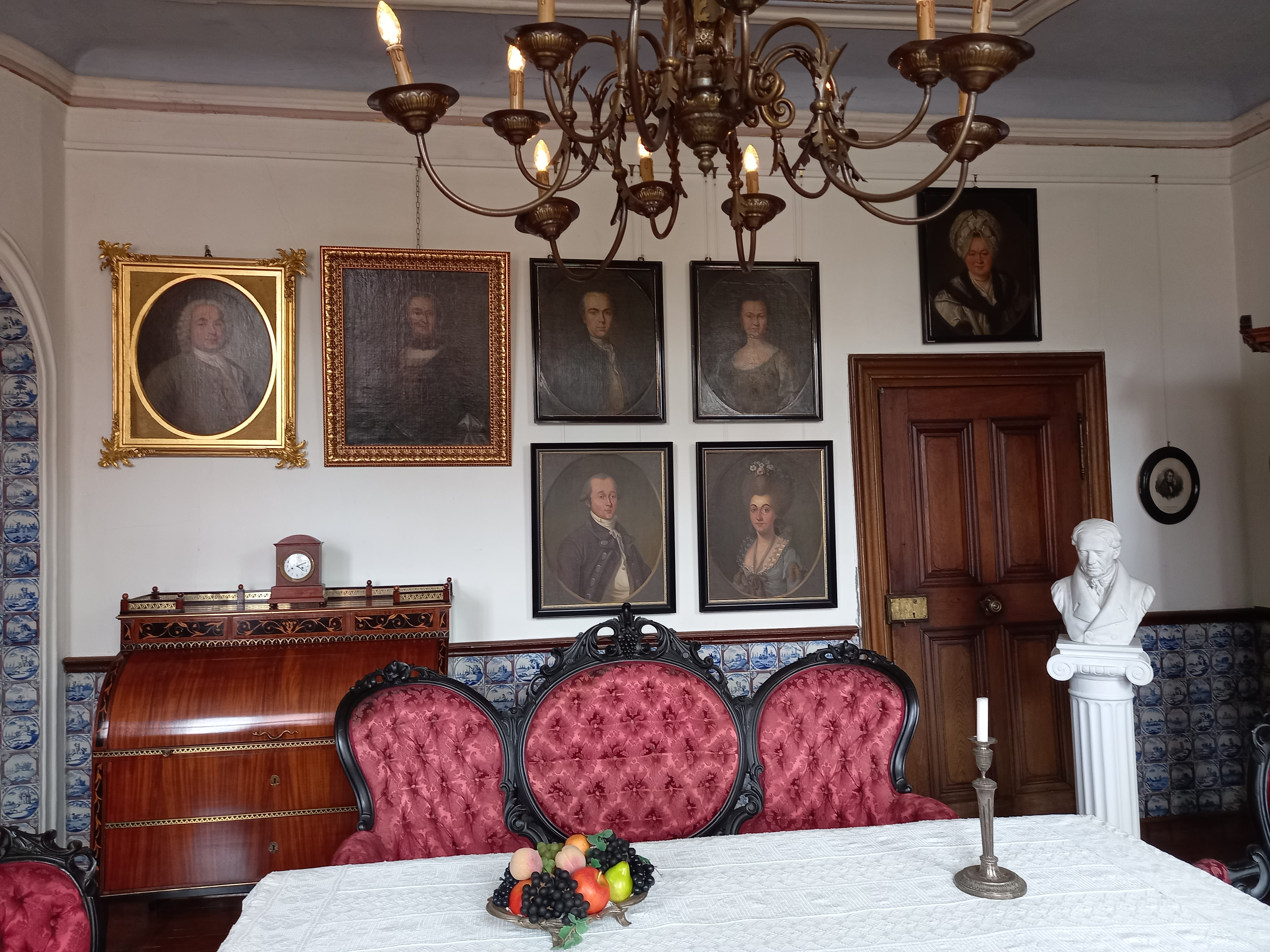
The history of the building goes back to the 1750s, when it was built by the wealthy merchant and bailiff Johann Adolf Böcking (d. 1770). Legend has it that it had been designed by his own son-in-law, the master builder Christian Ludwig Hauth; making the mansion truly a family affair. For six generations, the Böckings called this place home, and due to numerous marriages, their family tree grew entwined with other prominent dynasties of the German west, among them powerful industrialists like Krupp of Essen. Most remarkably, a granddaughter's dowry helped to create the founding capital of Villeroy & Boch in nearby Mettlach, a famous luxury ceramics company still thriving today. The original architecture of the building has been preserved completely; even surviving the devastating fire of 1857, which laid the greater part of the city to ruins. The family’s history is presented in the so-called Dining Room on the first floor, where the portraits of the family members from different generations are on display. One detail in this room, possibly overlooked by most visitors, are the Dutch tiles (Delftware) with maritime motives on the walls. During the 18th century, these were luxury items produced mostly in the workshops in Rotterdam and furnished wealthy residences in Germany.
Walking from room to room and climbing to the attic level, it is not only the precious antique furniture and objects d’art from two millennia that exude the very soul of Traben-Trarbach and the wider Moselle Valley. Regional history is covered with Stone-Age and Roman artefacts alongside medieval finds, relics of rural life mingle with the tools of craft guilds and contemporary weaponry. Most of the finds originate from excavations in and around the city. In particular, the medieval objects were uncovered during archaeological investigations within the extensive French fortress city Mont Royal, which once dominated the city, as well as Starkenburg, the medieval residence of the Counts of Sponheim. All await your curiosity. The local historical collection shown on the two attic floors is truly overwhelming. This remarkable collection was assembled over many decades by the museum’s founder, Dr. Ernst Willen Spies (1898–1975). Before opening the Mittelmosel-Museum, he shared his collection with the public through exhibitions in other venues in the city. Each floor of the Museum provides a unique perspective on the different dimensions of history, even the walls of the corridor halls are full of impressive original paintings and drawings, turning a walk in the museum into a historical journey.
I have visited this museum several times myself and never grew tired to inspect the treasures stored there. I keep making new and exciting discoveries. My favorite exhibits include the library, the music hall with its extraordinary, more than 200 years old fortepiano, and the fascinating artifact exhibition in the attic.
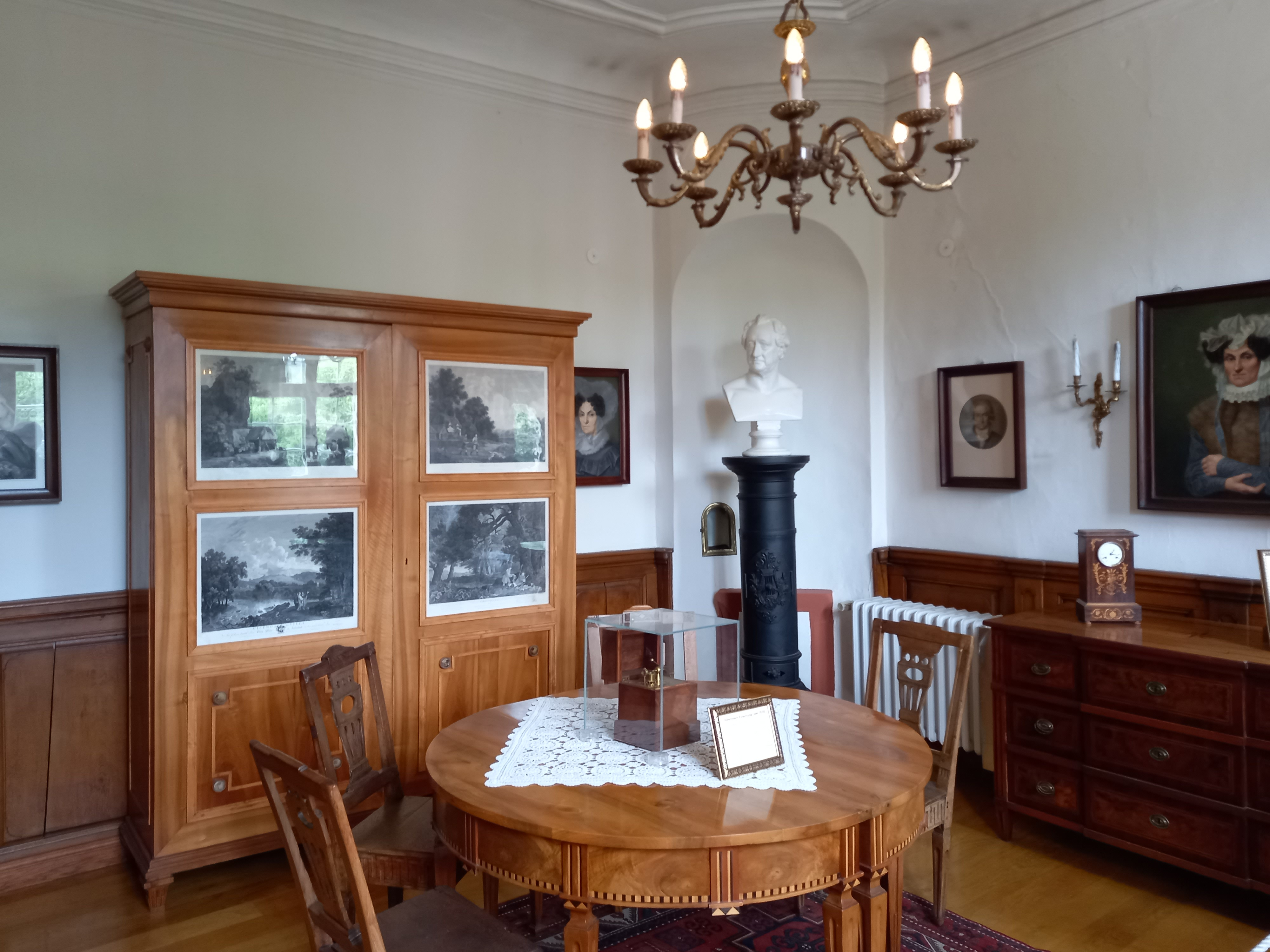
The so-called Goethe Room actually tells an adventure story, which is displayed on two of the paintings on the wall. In 1792, famous poet Goethe came to the Moselle River; not for poetry, but to as a military observer. He had joined the campaign of the Prussian army against revolutionary French, which eventually turned into a crushing defeat for the anti-French coalition armies. In the footsteps of the Prussians, Goethe traveled by boat from Trier to Koblenz during a cold November night, and almost drowned in the river Moselle when his vessel capsized during snowstorm. Relieved when catching sight of the lights of Trarbach, he landed at the shore and was welcomed by a wealthy merchant, who turned out to be no one else than Ludwig Böcking, landlord of the present museum. As for Böckings house, his own accommodation after the accident, Goethe remembered the English art printings in the room named to his memory, when he wrote his memoires thirty years later.
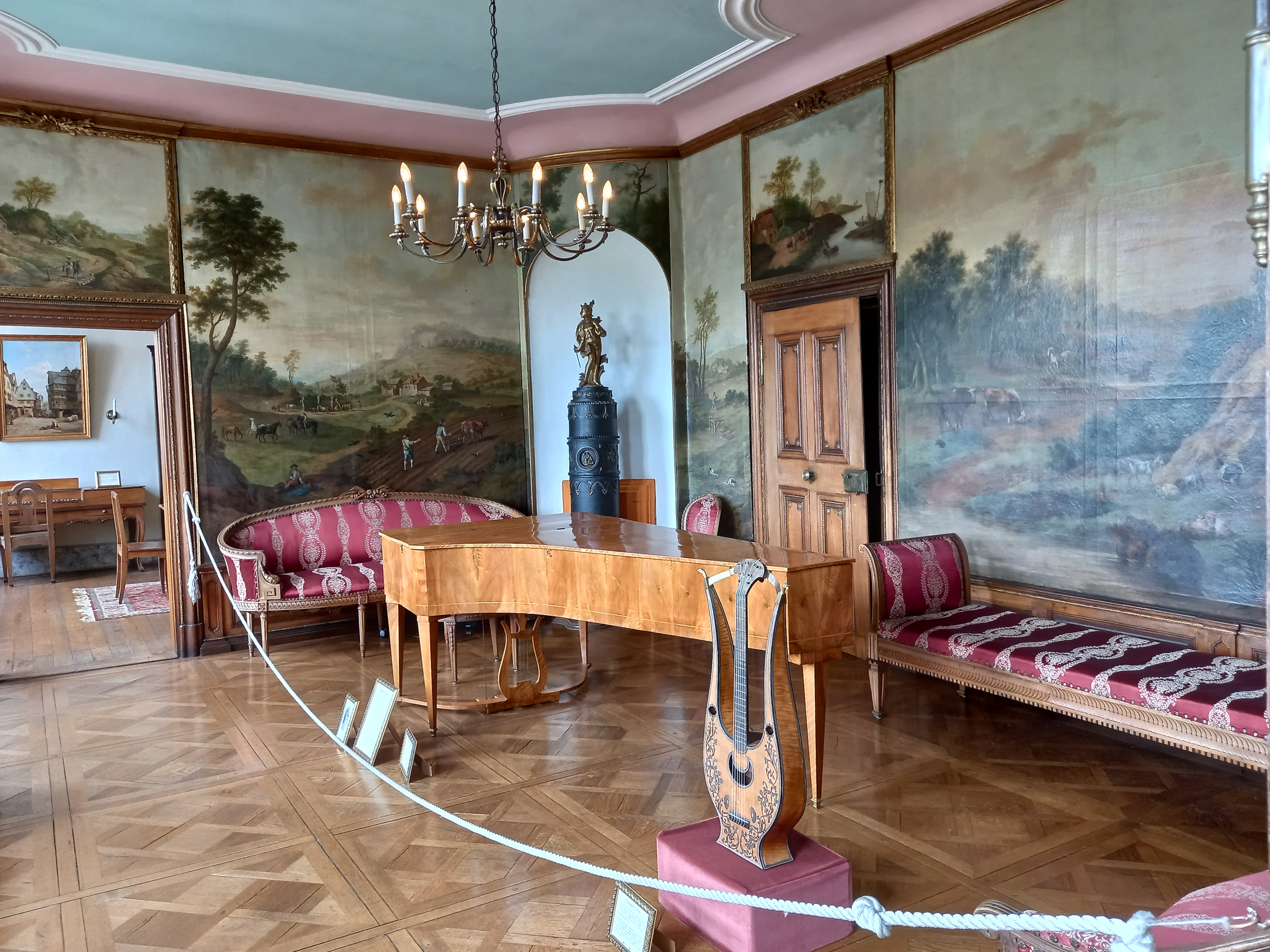
Upon entering the Music Salon, visitors will hear the sound of a fortepiano through an automated playback system. The historic instrument itself, however, is still played during special concerts organized by the museum. Being attended this year’s first concert, I was impressed how the piano sounds still extraordinarily powerful and astonishing. The fortepiano was built in 1811 by a woman – something extraordinary for this time: Nannette Streicher (d. 1833) built several pianos at the manufactory in Vienna after the death of her father, the piano maker Johann Andreas Stein. Nannette Streicher also built pianos for Ludwig van Beethoven to whom she was a close friend. Thus, Beethoven may have seen the piano himself and might have played it.
The library, sited on the same floor, has only been renovated and opened in the recent past. Aside from an impressive collection of incunabula (books from the first decades of book printing), it comprises a sumptuous number of books on theology, science and regional history, with a handwritten century copy of the Quran, possibly dating from the 18th century, as one of its highlights. The number of books displayed are approximately three thousand. Another attraction is a big and detailed globe, created in the 1950s by a local craftsman.
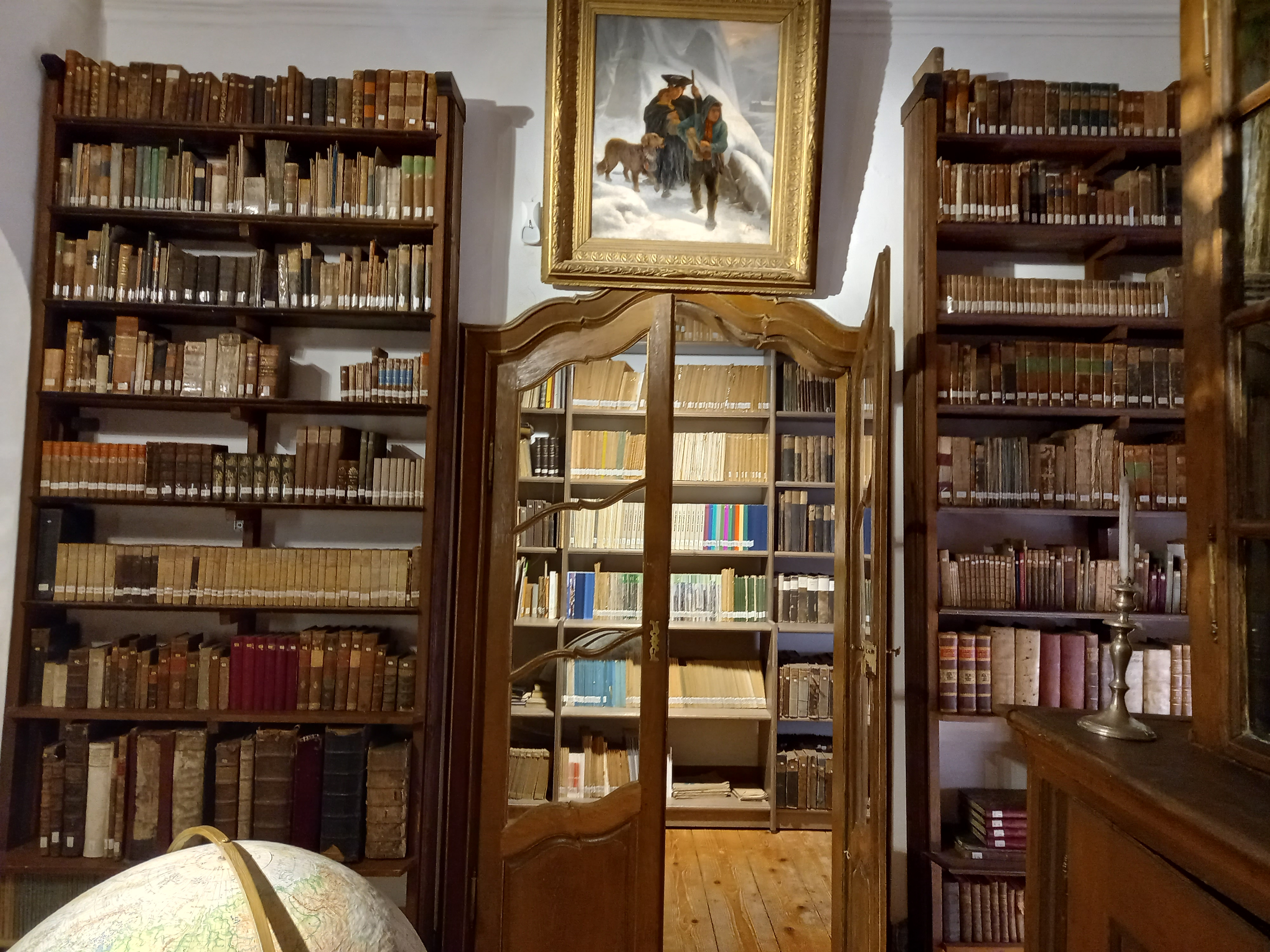
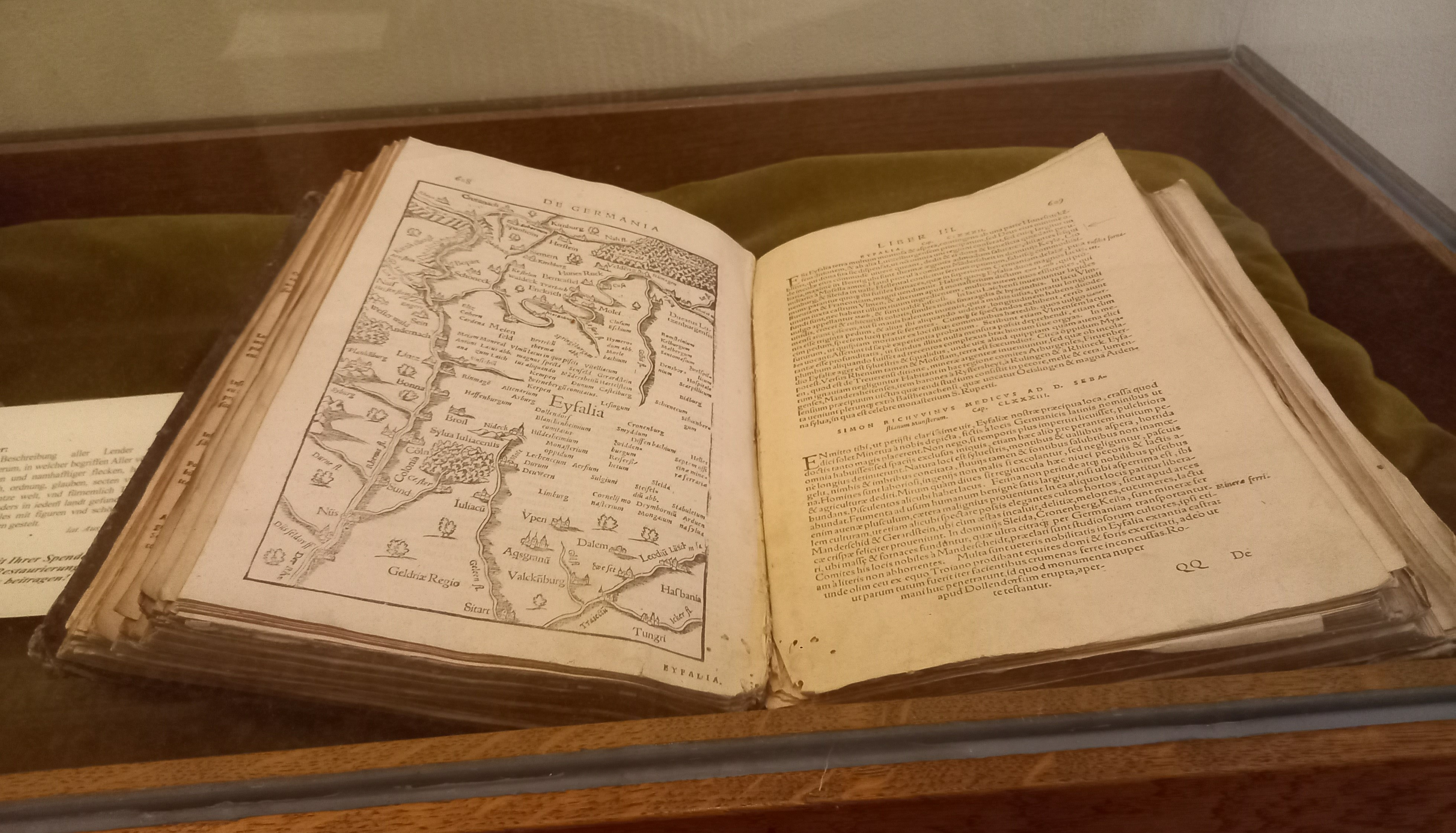
The Mittelmosel-Museum is a unique Baroque residence offering quite unique insights into the city life of Traben-Trarbach and the lifestyle of German upper classes in the 18th and 19th centuries in Germany. The museum's thoughtful curation and immersive exhibits in twenty rooms make it an essential stop for anyone interested in the history of 18th and 19th centuries, in regional history, and the art history of the Moselle region.
A guided tour held by the director of the museum himself is available for interested visitors. Tours for groups can also be booked outside of regular opening hours. The Museum is closed for a winter break between November 1 and l April 1 with the exception of the pre-Christmas Advent time. The regular opening hours are Tuesday to Friday: 10 a.m. – 5 p.m.; Saturday and Sunday: 12 p.m. – 4 p.m. The Museum is closed on Mondays. For updates, please visit the website: https://mittelmosel-museum.de/start-english/
* * *
Gül Şen is a historian of the early modern Ottoman Empire based in Germany. She has taught since 2010 on the history and culture of the Mediterranean, the Ottoman Empire, and the Middle East and authored several publications. Her current research focuses on maritime history and unfree labor in the early modern Mediterranean world. Beyond her academic work, Gül is actively involved in public and local history and serves on the board of the Association of Local History in Traben-Trarbach. In this role, she helps organize lectures and guided tours of historical sites and museums throughout the region and in neighboring countries.
Learn more at LinkedIn: https://www.linkedin.com/in/pd-dr-gul-sen-820422212
and Bluesky: https://bsky.app/profile/guel-sen.bsky.social