

In the first part of the article I discussed about the modern section of Scottish National Portrait Gallery and some of the unique paintings located there. As stated before I think of the Scottish National Portrait Gallery, located in the New Town of Edinburgh, as a visual historical encyclopaedia filled with known (more or less) figures in Scottish history, be it medieval, early modern or modern/contemporary.
As an early modernist I was looking forward to exploring the next section structured over several rooms and halls looking at some remarkable figures in Early Modern Scottish history. There are tens of fascinating portraits on display (full detailed list of what is currently on display available here).
One can observe several portraits and paintings of Mary, Queen of Scots (1542-1587) arguably one of the most well-known and talked about figures of Scottish history (1, 2, 3)
The visitor can explore and view many beautifully framed paintings and can begin with a mini-section dedicated to Charles I (1600-1649 by an unknown artist), painting of his execution (pictured above by an unknown artist, oil on canvas painted after 1649 also available here). There is also a painting done by Robert Peake of Charles as a child.
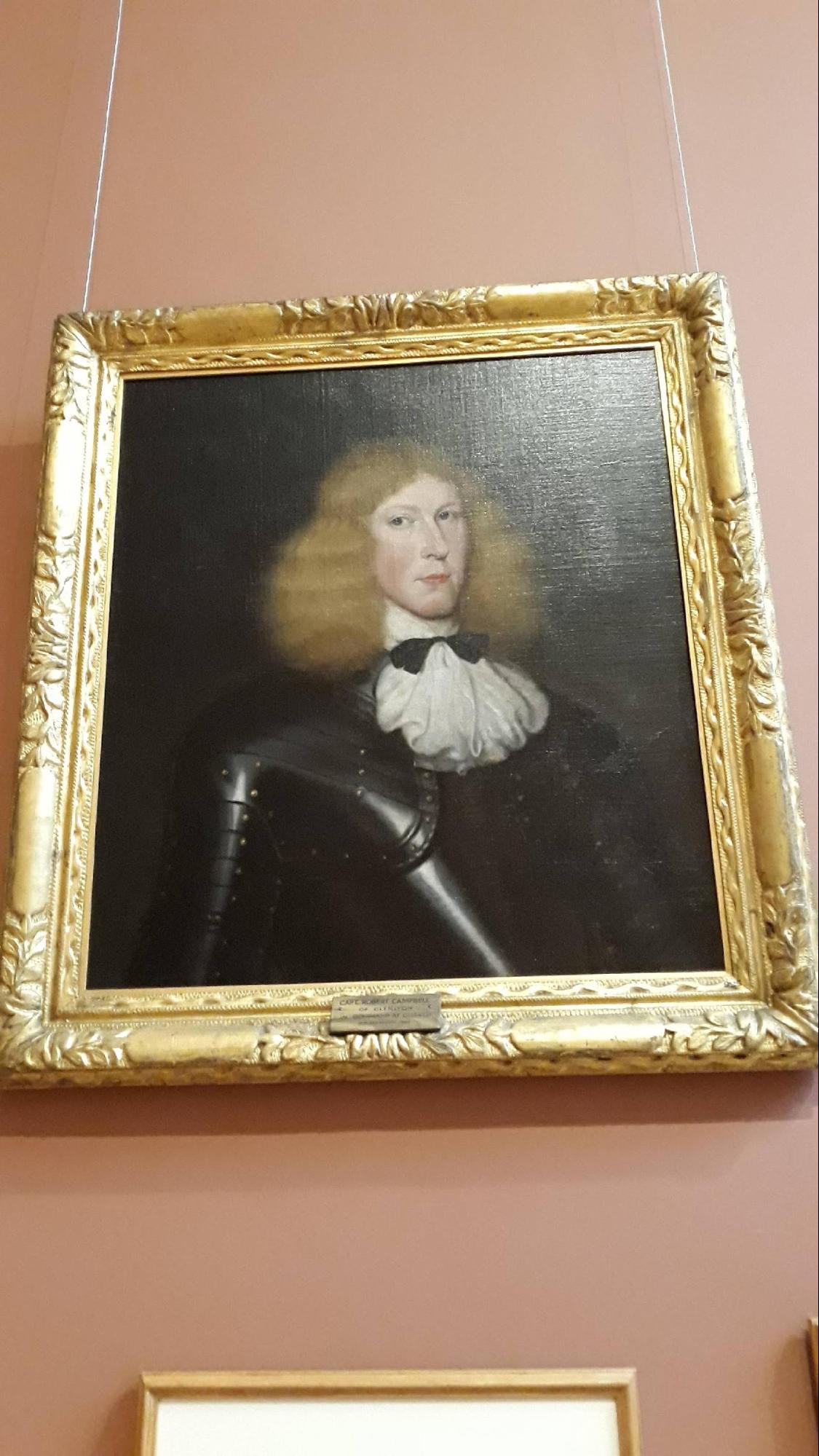

The section also contains very large paintings such as the one illustrating “The Solemnisation of the marriage of James III and Maria Clementina Sobieska” (available here) and the Baptism of Prince Charles Edward Stuart by Antonio David (1725 shown below).

One of the most common portraits of Scottish poet Robert Burns by Alexander Nasmyth is also located in the early modern section (available online here) but also in the subsection entitled “The Remaking of Scotland: Nation, Migration and Globalisation 1760-1860”. This part is interesting because it illustrates how after the Jacobite Rebellion (aspects of which are also amply depicted within the Scottish National Portrait Gallery) many parts of Scottish society and culture, including arts and humanities, were able to develop, in part due to the economic prosperity of enlightenment centres such as Edinburgh and Glasgow. There are many portraits of crucial figures in Scottish philosophy, literature & science such as David Hume, Walter Scott, Mary Summerville and many others.
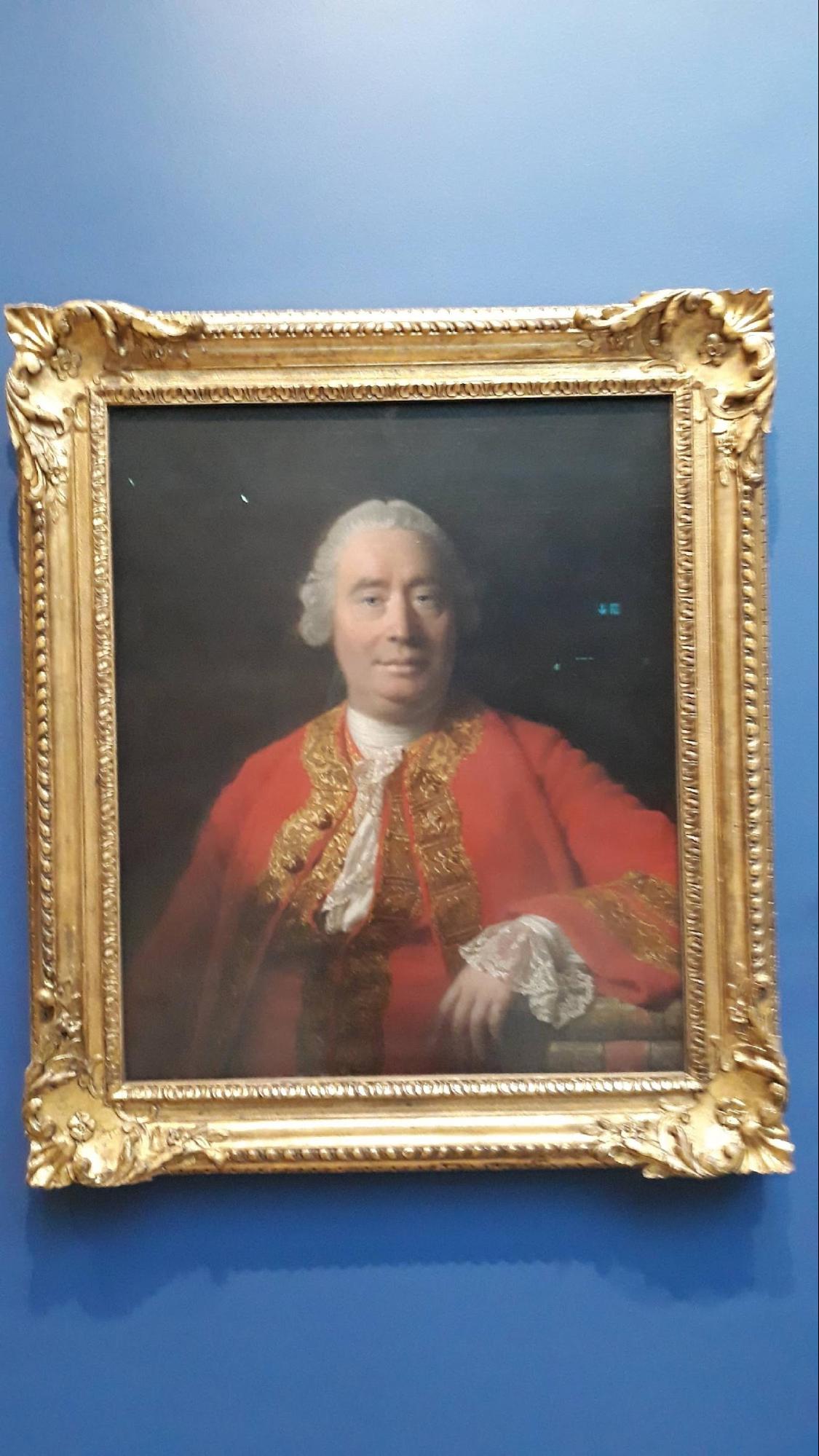

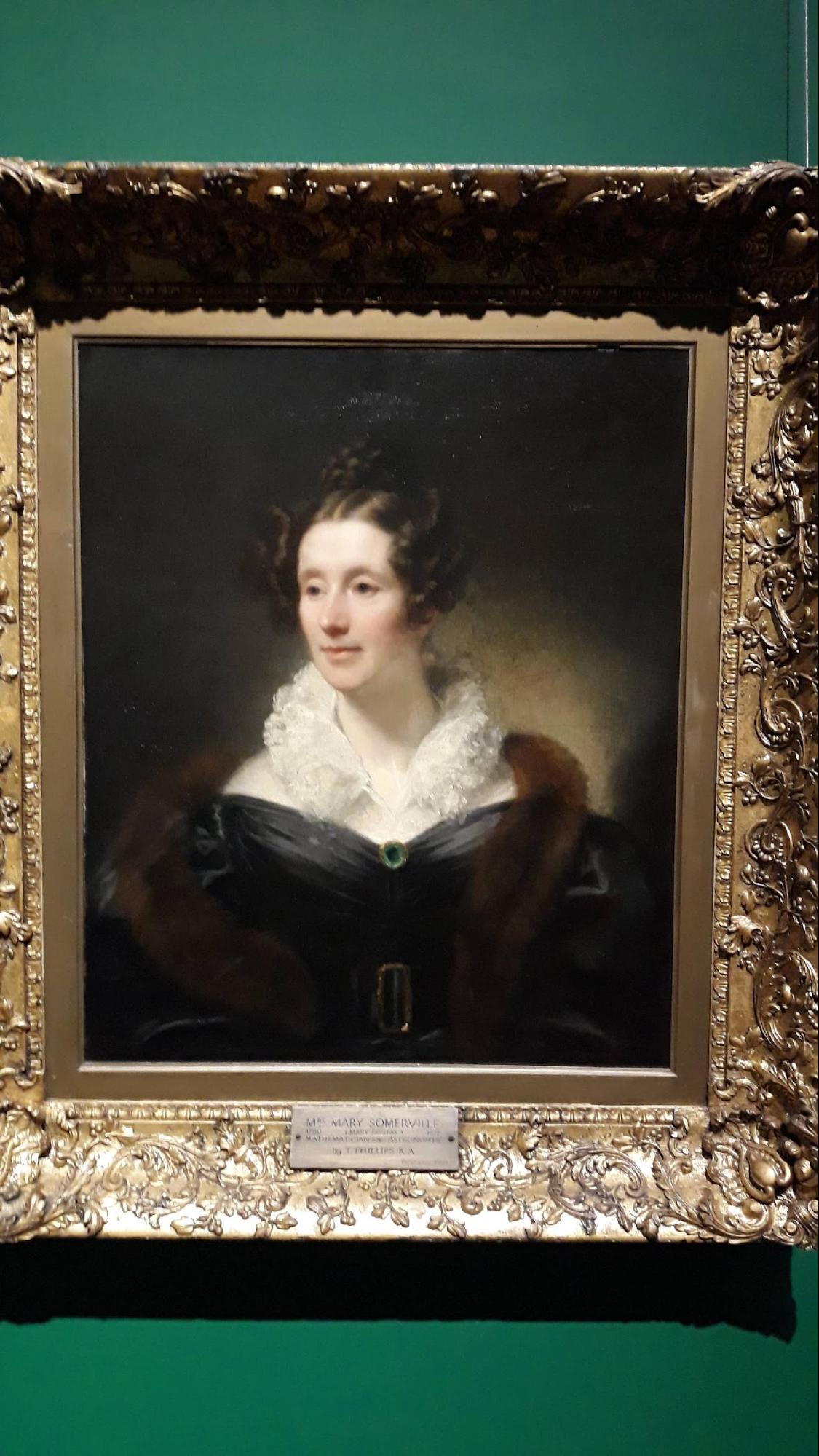

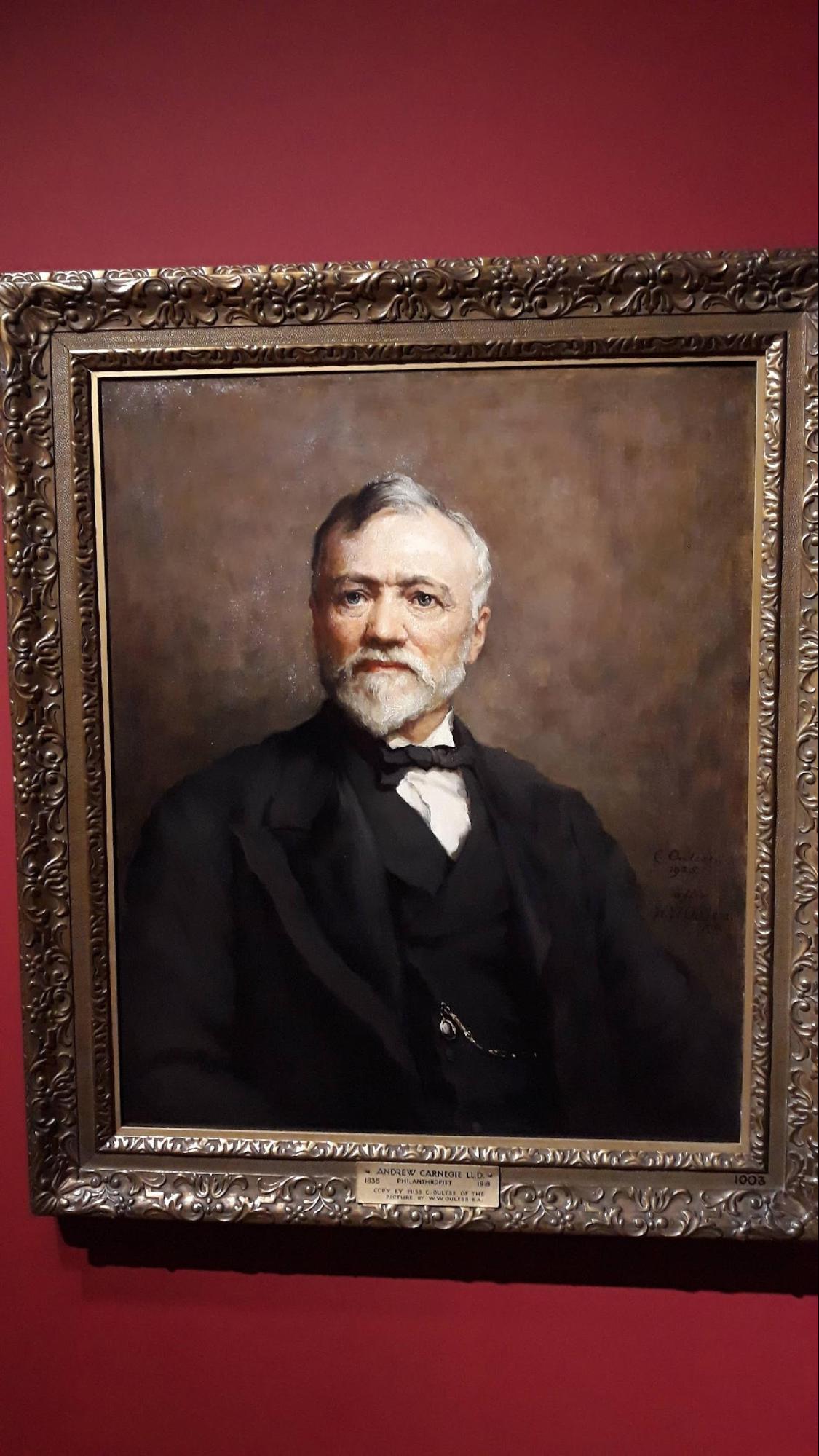
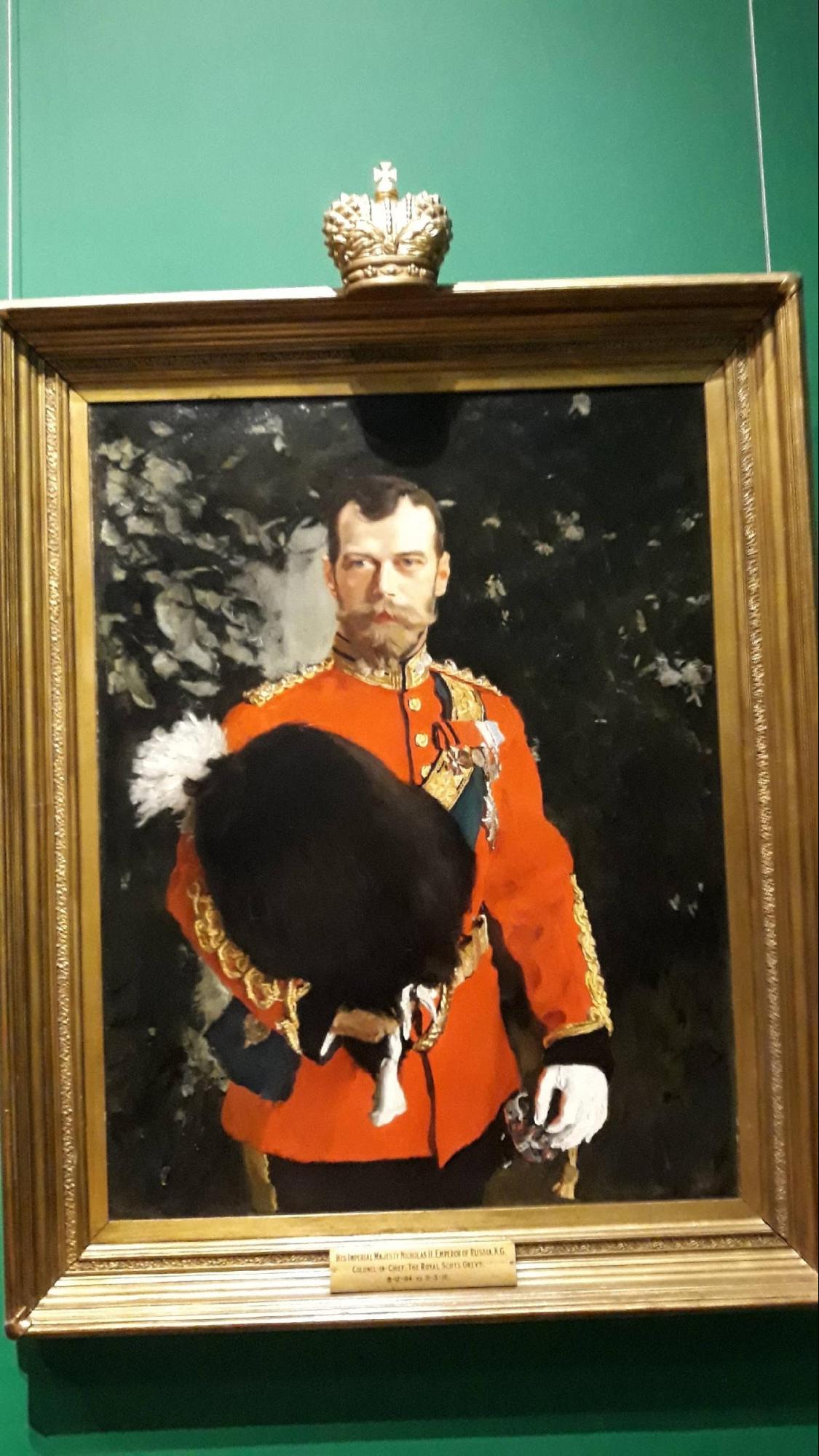
There are also depictions of industrialists such as Andrew Carnegie (1835-1918) and interestingly one can visit and admire a portrait of Russian Tsar Nicholas II (1868-1918), who one can easily mistake it at first glance with a portrait of his cousin King George V of Great Britain.
All in all this whole section is remarkable as it provides a window into the often turbulent yet fascinating overall history of Early Modern Scotland. Combined with the first part modern part and the grand hall located at the entrance it makes for a great experience and visit. In my opinion it is a must see cultural establishment if one is in Edinburgh, easy to find in the New Town and at the time of writing it is free to visit. From portraits of Billy Connolly to ones of Mary Queen of Scots, Sir Walter Scott and Charles I this gallery represents a remarkable visual encapsulation of Scotland’s past both more distant and nearer to our times.
Website: https://www.nationalgalleries.org/visit/scottish-national-portrait-gallery
Full address: 1 Queen St, Edinburgh EH2 1JD
* * *

Vlad Zamfira (Masters of Arts in Archaeology & History and Certificate of Postgraduate research in History at the University of Aberdeen, Scotland) is a historian and podcaster interested mainly in the History of the 16th century Mediterranean with particular focus to Venetian, Ottoman and Spanish relations during the period between 1559-1581 and the Fourth Ottoman-Venetian War of Cyprus. Also with a keen interest in the history of the Eighty & Thirty Years' Wars; Scottish and European History as whole.