
Middelburg is located on the former island of Walcheren, with the North Sea in the west, the Oosterschelde river in the north and the Westerschelde river in the south. A lot of water transport, with the result that the city developed into an important international trading city with many connections at home and abroad. Traders and travelers transported all kinds of things abroad, often very far away, for example to the Caribbean and Indonesia. Because of all these connections, the collection of the museum became very varied.
A museum was founded in Middelburg at the end of the 18th century. In 1886, an Art Museum is also established in the same city. In the course of the 20th century, both museums fell into disrepair and part of the collection was lost during a bombing raid in 1940. After WW2 there was more interest in the museum; the collection was expanded again.
At the beginning of the Second World War (1940), the center of the city and also the abbey complex - from the year 1100 - were bombed. In the years after WW2, the center was rebuilt. Much was restored, the abbey once again became a pearl in the city, with a beautiful square as the interior space. The Zeeuws Museum (pictured above by Pim Top) has been located in part of the abbey since 1972. The museum has the large modest, solemn spaces of a monastery, adapted to the requirements of a modern museum.
The collection is very varied. Of course, many local and regional artifacts have been collected, from prehistoric times to the present day. Because the collection is diverse, this article only highlights a few important parts. In the first place the regional costumes, then the famous tapestries and then something from this modern era: attention to people with dementia. The entire collection of the museum can be viewed online.
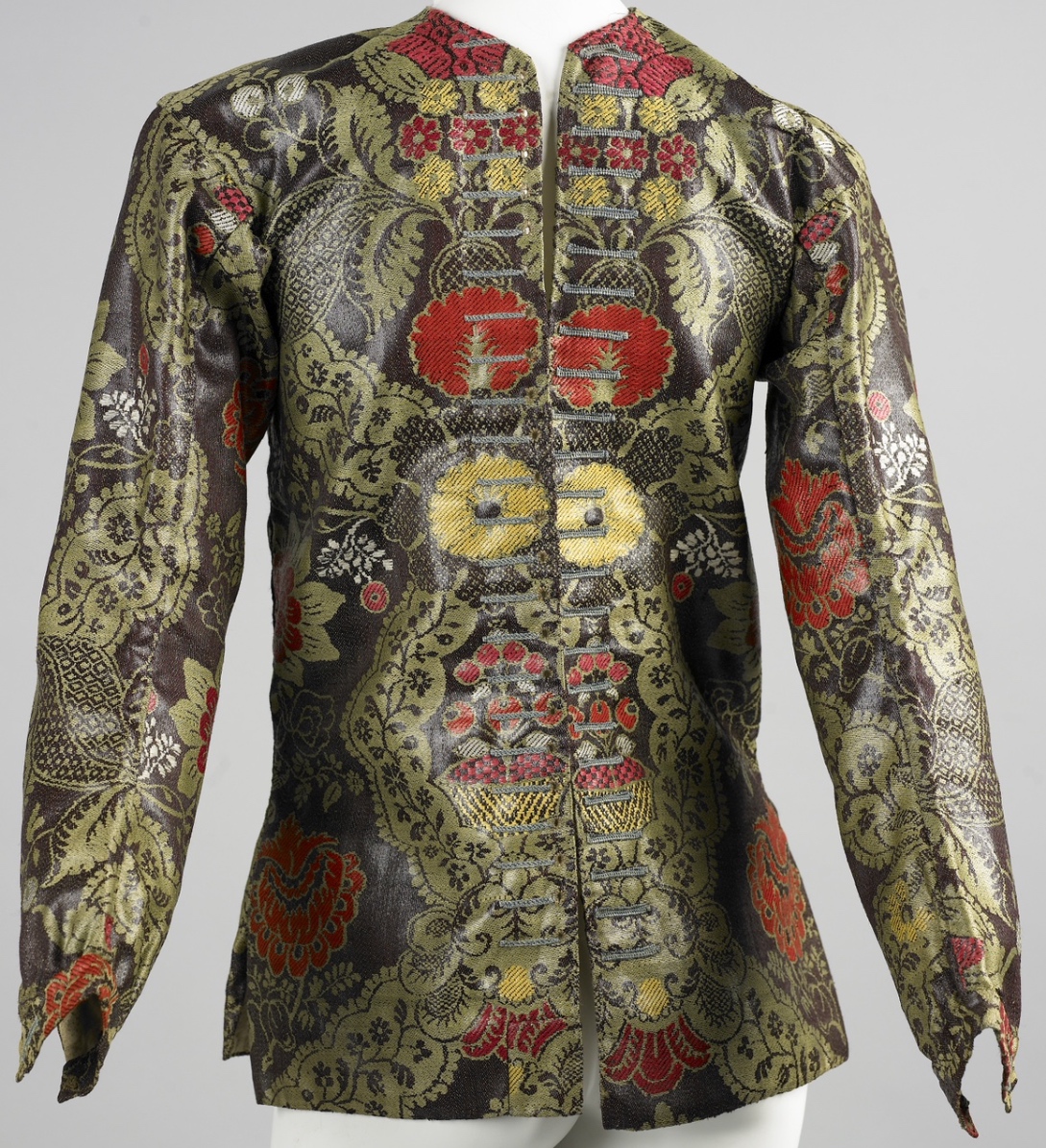
The museum pays a lot of attention to regional costumes. Even in a small region like the province of Zeeland, there were many differences in local dress. Protestant women wore different hats than Catholic women. There were also differences in jewelry that men and women wore. A connoisseur could immediately see from which village or city the wearer came. Until the fifties and sixties of the 21st century, traditional costumes were still widely worn. Then it quickly disappeared. In the past, the costume was much more colorful than in the last fifty years that it was worn here. An example of this is the beautifully colored shirt skirt for men.
The showpieces of the Zeeuws Museum are the world-famous centuries-old tapestries depicting naval battles from the 16th century. At that time, the Netherlands was at war – intermittently – with the Spanish King Philip II for 80 years.
The way the carpets are displayed is impressive, it will leave you speechless. There is so much to see. The walls are completely covered with carpet. The carpets were made between 1593 and 1604. Weaving carpets was an intensive work. Three men worked side by side on the tapestry 'The Battle of Rammekens' on a single loom. It took them about a year to finish this carpet. The carpets and were mainly intended to impress relations of other states. But there was also a practical purpose: with these carpets on the wall, the heat was retained in the room, the drafts were kept out and the acoustics were also much better.

In the last few years, the museum, in collaboration with other organizations, has paid attention to people with dementia. The museum has trained volunteers to give this target group a tour of the museum. That was a great success. Dementia patients - with family members - came to the museum in groups. They enjoyed the tour and the things they got to see. A lot came back to the memory so that they could talk about it. It made people happy.
It can be difficult for people with dementia in a care institution to visit a museum. That is why experience tables have been made that are located in the care institution. The residents can view the heritage by clicking on an image. They are then shown objects and images from everyday life as they have known it. Additional questions, sound fragments and stories bring many things back to their memories. So they talk about it together. For these people it is pleasant experience.
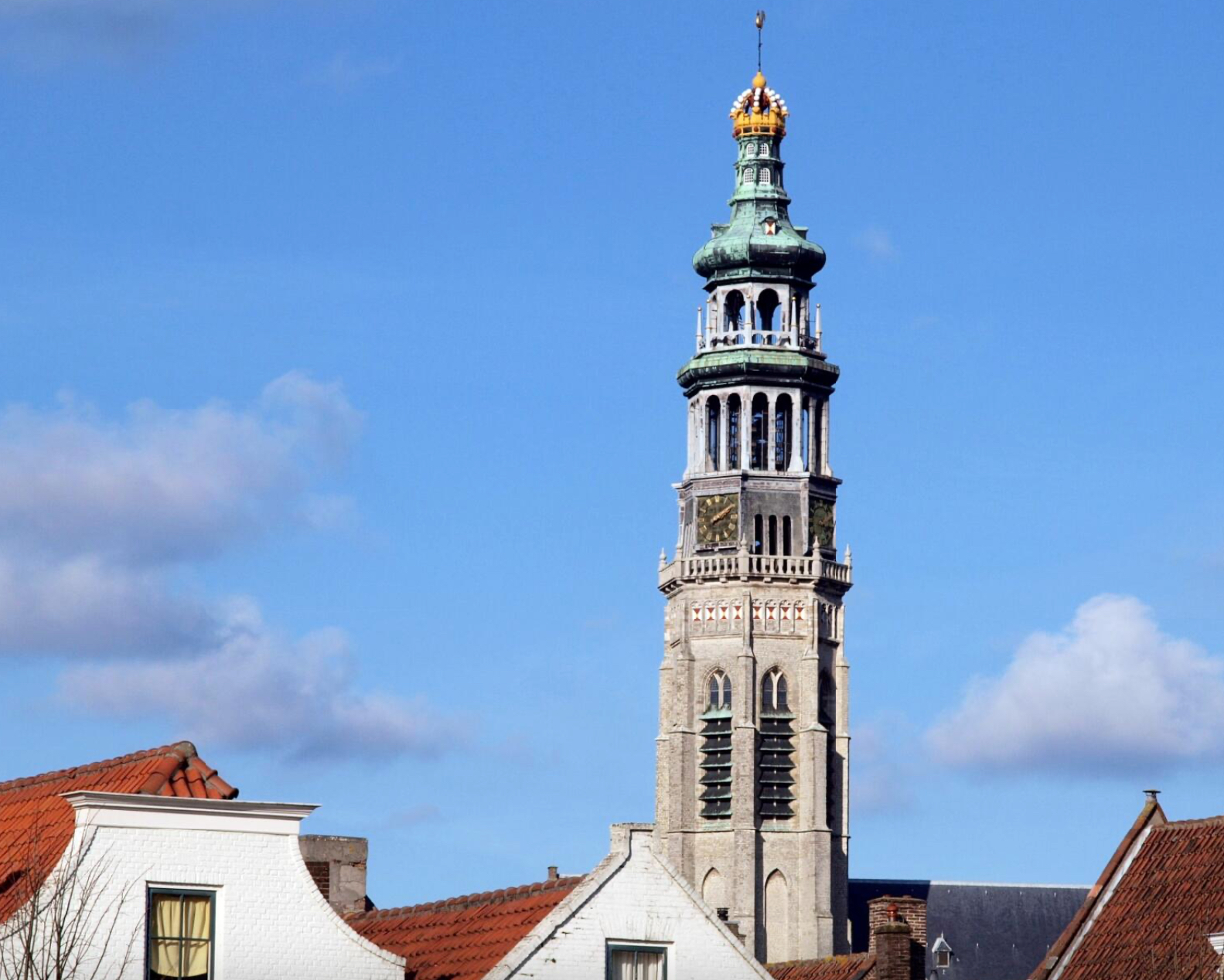
The Lange Jan is located in the middle of the city, that's where you should be.
The tower is part of the abbey and stands on the outside of the it. If you want to visit the museum, go to the courtyard.
Parking: Follow the parking routes in the city. There are two parking garages and several parking lots.
* * *

Gerda Blommaert has always worked for the tax authorities, first in taxation itself, later in IT and communications. I studied art history at open university. Gerda is now a volunteer for the Roman Limes Netherlands. These Roman Limes (roman border) were recognized as a World Heritage Site by Unesco in July 2021.